Wednesday, December 5, 2018
Little Altars Everywhere
Posted by Aimee at 5:15 PM 1 comments
Labels: celebrations, family, festival, seasons
Monday, November 19, 2018
Practicing Thankfulness (a look back)
2) the quart of dried morels I accepted as partial payment. I love wild mushroom gravy. The last turkey I decided to donate rather than stash it in the freezer for Christmas or something. Calling around, I found out that
3) the Lighthouse Mission in Bellingham will be serving a Thanksgiving meal on friday for those who missed out on the big day. I'm thankful they are doing this, and also that they can legally accept my turkey. Anybody looking for an easy way to help out the homeless and hungry this year could do worse than to donate to this hardworking organization.
4) I'm thankful that my mom is coming up from Seattle and we will have a crowd of family around the table. I'm sorry my sister won't be here, but I am thankful that
5) I don't have to make a gluten free, dairy free Thanksgiving meal.
6) I'm thankful that the buck is sold and the boarded does are gone home and that all my goats are probably pregnant and that goat breeding season is over for another year!
7) I'm grateful that the cold snap is over and I no longer have to water the animals with a five gallon bucket but can go back to using the hose like a normal person.
8) I'm grateful for my nieces, who are sweet, cheerful, hardworking, and funny. They are doing so well in school and making friends. I am grateful they are enjoying their time here and I'm so grateful for the trust that their parents put in me and Homero. It's a blessing.
9) I'm thankful for the beauty of my part of the world. I'm so grateful to be able to look out my window and see the mountains and the trees and the sky. I'm constantly amazed at the natural beauty with which I am surrounded.
10) I'm thankful for this house, drafty and creaky as it is, it's still shelter, and it's home.
Sunday, November 11, 2018
Salvaging the Impalatable (Fermented Seal Guts)
Posted by Aimee at 7:56 PM 0 comments
Labels: cheeemaking, cheese, food, frugality
Monday, October 29, 2018
Apple-anch, 2018
Wednesday, October 3, 2018
The Fermentation Files (Plum Edition)
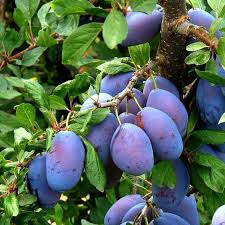
Italian plum trees are known for having an alternating harvest: one very heavy year alternating with a very light year. As everyone who has an Italian plum tree knows, the heavy harvests are very heavy indeed. In 2016, the last heavy harvest year, there were so many plums on the tree that branches were breaking from the weight of all the green plums, and we had to strip off and throw away hundreds and hundreds of unripe plums.
Last year, true to form, the tree produced very few plums. I am actually glad that the Italian plum tree provides its owners with a rest every other year, because dealing with literally thousands of plums all ripening at once is a ton of work.
Of course, we cannot possibly make use of each and every plum. That's just a silly proposition. Even if we were to dedicate ourselves to preserving plums 24/7 in season, inevitably many, many plums would fall to the ground and become a feast for wasps before we could make use of them. And that's just fine. After all, wasps need to eat too.
My sense of duty, however, and overdeveloped guilt reflex, mandate that I make a valiant attempt every year to utilize as many plums as possible. There are lots of ways to use plums: eating fresh (we eat a lot); dehydrating - the dehydrator is going day and night in mid-september; cooking in pies and crumbles; giving away to friends and neighbors; and wine. For using up a whole lot of ripe plums at once, there is no preserving method superior to winemaking.
In 2016 I made my first attempt at plum wine, and it was fairly successful. By which I mean I produced a quaffable product that would reliably get you drunk, not that I produced a product worthy of bottling and bragging about. Surprisingly, the wine was a light, orangey rosé, not the sort of deep, velvety purple you would expect from blue plums. It was pleasant, quite dry, with a bit of a sour tang. It was good enough that when faced with a similarly overwhelming number of plums this year, I decided to repeat the experiment.
One of my many failings is that I am constitutionally incapable of taking notes, keeping records, and thus reliably repeating successes in the kitchen. I can't remember - and didn't write down - what type of yeast I bought in 2016, nor whether or not I used yeast nutrient (which is something you usually have to add to wines that aren't made from grapes), nor how long I left the wine in the primary fermenting chamber (AKA food-grade plastic bucket) before putting it into a carboy and air locking it.
So, basically I was starting from scratch. I followed a recipe from one of my books, more or less - I decided I would forgo the reccommended yeast nutrient because I was making the wine on a weekend and didn't want to wait until the home-brew store opened on Monday. And I made a few other tweaks - I added honey instead of sugar, I didn't have any Camden tablets - okay, I basically ignored the recipe entirely and winged it 100%. Fruit + sugar + water + yeast + time = alcohol. Right?
I do - always - sterilize equipment with boiling water. That's a non-negotiable. And I used a real wine yeast (Chablis, if I remember right), not baker's yeast. But I think this year's batch may have suffered somewhat from my lackadaisical attitude. After putting the wine into a carboy and air locking it, it bubbled vigorously for a few days, but then stopped entirely, rather than just slowing down as it should do. I left it in a cool place to keep doing its thing for two more weeks, but then I sat down and stared at the airlock for three minutes. No bubble. That is pretty definitive that the fermentation has stalled.
Stalled fermentation isn't the end of the world - not even the end of the wine. There are things you can do to try to get it going again. I decided to rack the wine off into another carboy, thereby aerating it. Tasting the wine as I transferred it, it was pretty thin and sour tasting, so I decided to add a bit more sugar. I replaced the airlock, and now there's nothing to do but wait three or four months and then taste it. It will either be drinkable or not, and either way it's experience. The tremendous abundance of plums makes it cheap and low risk to experiment with winemaking, just as the tremendous abundance of milk in early summer makes it cheap and low risk to experiment with cheesemaking. If, next spring, I have a few gallons of nice plum wine, I'll be happy. If I have to pour a few gallons of weird plum vinegar out onto the compost, well, so be it.
There is another, much lower risk, delicious way to ferment a few dozen plums, though, and I did that too this year. A plum shrub. A shrub is basically a sort of fruit concentrate - you put chopped ripe fruit to macerate in sugar for a few days, and then pour over apple cider vinegar to cover. The shrub will keep in the fridge indefinitely, and can be mixed with water - still or sparkling - to make an elegant and yummy non-alcoholic drink. Of course, you can also add a jigger of rum or vodka or gin to your cocktail. I made a half gallon of plum shrub flavored with rosemary, and it was delicious, with or without spirits.
Looking forward to a year off. 2020 will be soon enough to get elbow deep in plums.
Posted by Aimee at 8:43 PM 0 comments
Labels: fermentation, harvest, preserving, wine
Wednesday, September 12, 2018
Preserving Log 9/18
Posted by Aimee at 8:42 PM 0 comments
Labels: apples, berries, canning, fall, farm, fermentation, food, frugality, fruit, harvest, homesteading, preserving, seasons
Saturday, September 1, 2018
Making Up for Lost Time (Mabon Again)
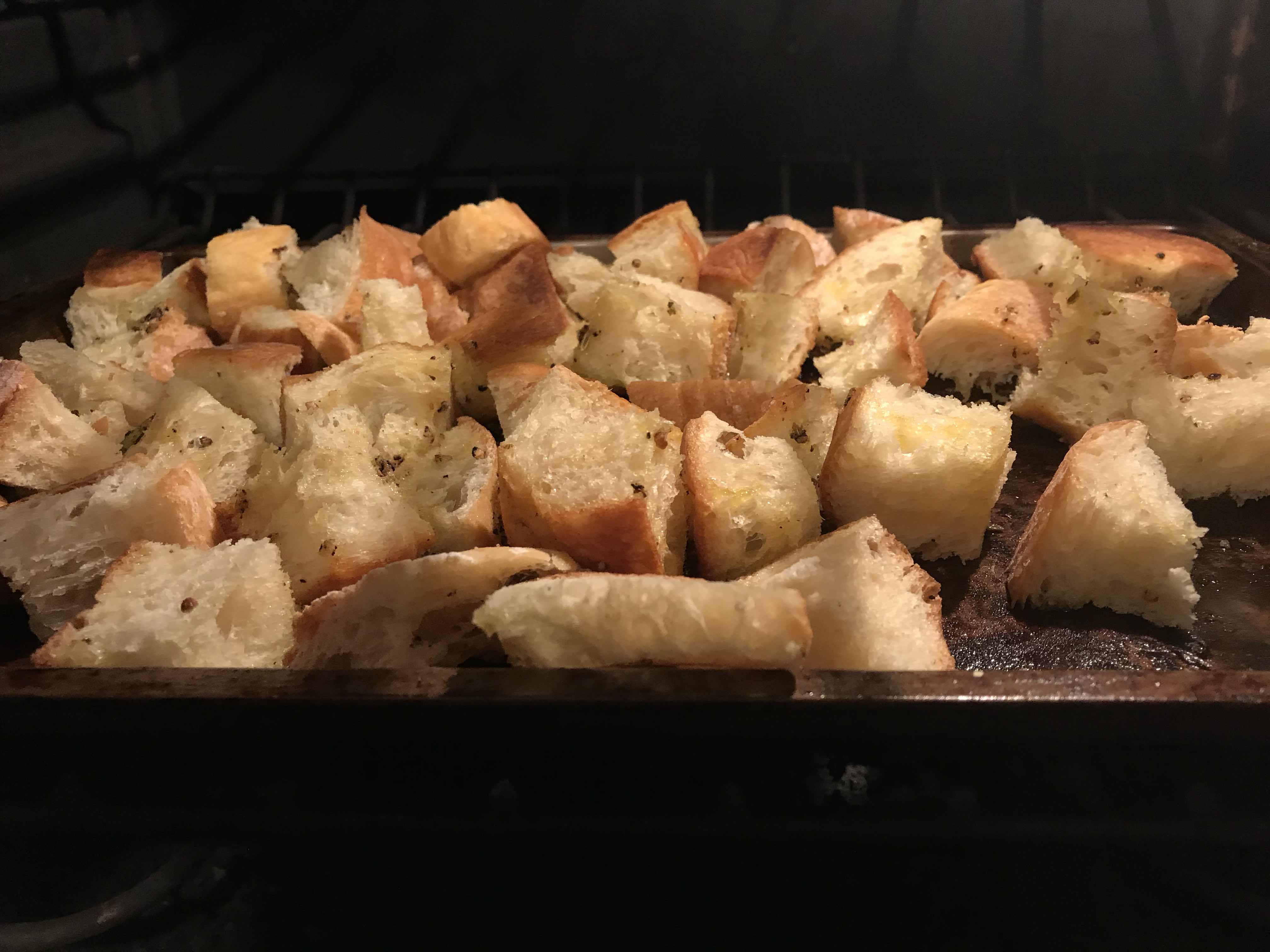
I also brought home a half dozen loaves of ciabatta bread. I like to cube it up and toss the cubes with a mix of olive oil, herbs, garlic, salt and pepper, and bake until they are crunchy croutons. Store in a ziplock bag in the fridge.
Posted by Aimee at 9:56 PM 3 comments
Labels: berries, canning, fall, food, frugality, harvest, homesteading, preserving, self sufficiency, summer
Tuesday, August 28, 2018
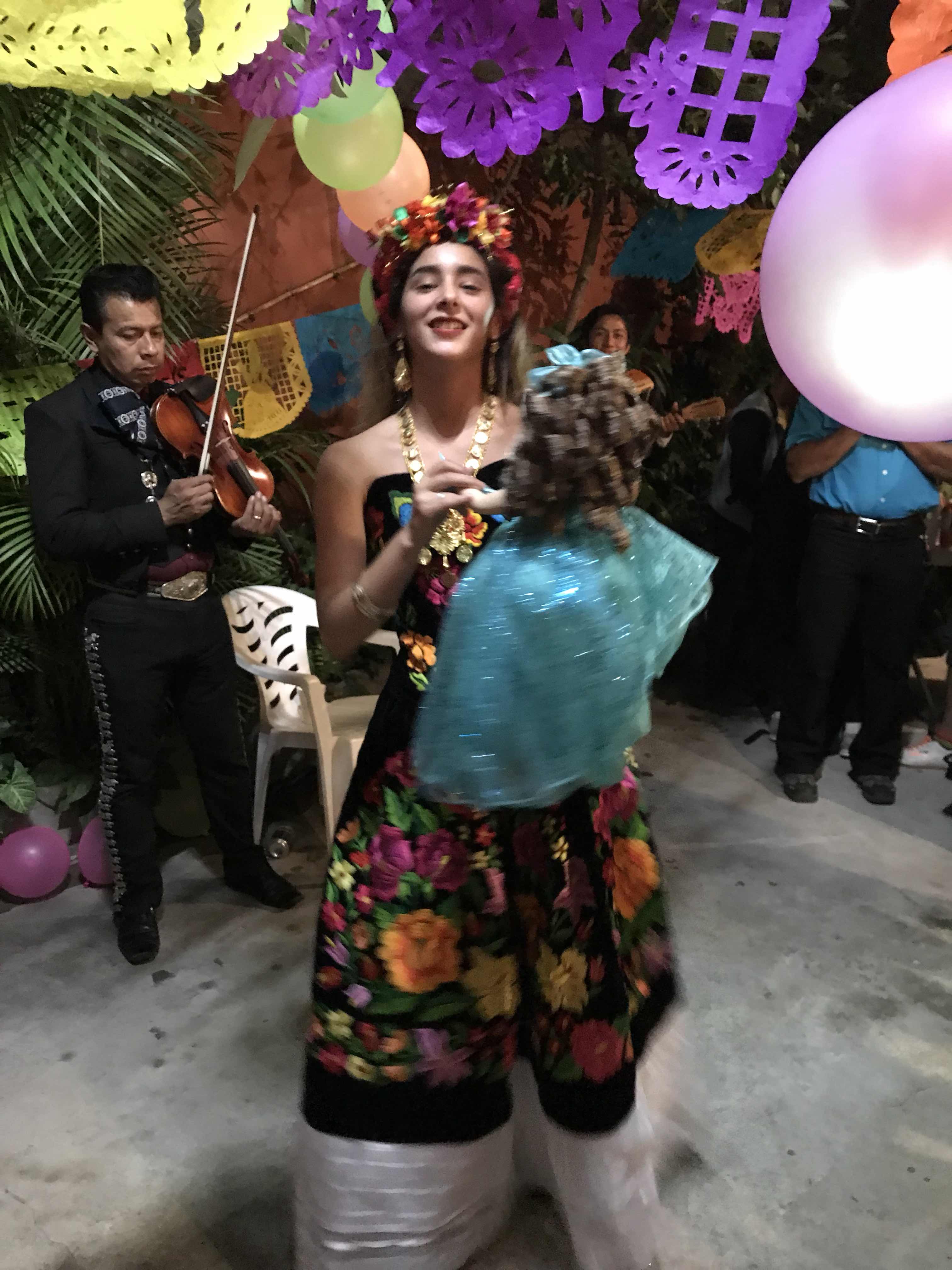
Quince Años for Hope
Opening the Waltz with Papa
Posing with the mariachis. Hope has become quite a good guitar player, and after the mariachis performed they sat down to eat - as is traditional - and Hope played a few songs. As they were leaving, the bandleader stopped Hope and told her that she has an enchanting voice, plays well, and should never stop.
Last waltz with a doll.... this tradition symbolizes “putting away childish things” and becoming a grownup lady.
Saturday, July 21, 2018
Cooking in Oaxaca (Improv Style)
Friday, July 13, 2018
Guelaguetza in Oaxaca
Sunday, July 1, 2018
All the Fruit We Won’t Be Eating
Sunday, June 10, 2018
Long Live Hippies (Trade Network ‘18) S
Posted by Aimee at 6:59 PM 2 comments
Friday, June 8, 2018
Bloodsuckers (Parasite Problems)
Dairy goats are plagued by parasites. It's just a fact. Some areas of the country are worse than others, and in some areas resistance has become a problem; in other areas its less serious. But anyone who raises dairy goats will have to develop a parasite protocol and be on the lookout for signs of infestation.
I've had my troubles with parasites before - our wet weather and lack of hard freezes some winters contributes to the issue. We've had lungworms and stomach worms and coccidia. For the most part, these have been passing problems, and with vigilant treatment otherwise healthy goats shake off the effects and continue to thrive. I do know by now, however, what a wormy goat looks like.
-Diarrhea. Primary symptom. May be intermittent or constant.
- Skinny. Weight loss is the main symptom (after diarrhea) and it happens not just because the parasites leech energy from the host, but because if the host is losing enough blood they will become anemic and then the rumen doesn't get properly perfused, doesn't work correctly, and you get malabsorption syndrome. Then it doesn't matter how much quality food you are feeding, the goats can't benefit from it.
- anemia symptoms: lethargy, pale gums and conjunctiva
- lowered milk production, if they are in milk
- rough, coarse coat. I don't know why this happens.
In the middle of winter, when it's cold, and all the forage is gone and the goats are subsisting on just hay, and they are pregnant, it's fairly normal for them to lose a little weight. But they shouldn't get really thin. This past winter my goats kept losing weight no matter what I fed them. In fact, they were skinny as rail fences, and generally looked run down and wormy. They started pooping green glop, instead of nice clean pellets. I figured I had worms and dosed everyone with the standard medicine, Ivermectin.
When they didn't improve after some time, I repeated the ivermectin, and when they still didn't improve I thought I might have some resistant worms on my hands and switched to a different wormer that works by a totally different action.
Well they just kept losing weight. Spring came, they gave birth (Flopsy to quadruplets again) and the babies were all healthy, but the moms went downhill, trying to feed all those insatiable little monsters. I brought fecal samples to the vet and, maddeningly, they came out clean. Negative for everything. Repeat fecals came out clean as well.
I discussed the issue with my vet, on the phone, but all he suggested was increasing their ration of grain and buying some alfalfa hay. He seemed to think it was a feed issue, and indeed it certainly looked as though my poor goats were starving to death. He said "Parasites are not your problem," but I knew he was wrong. I know an anemic goat when I see one.
I don't know when the light dawned. Maybe it was when spring was far enough advanced that I started letting the goats out to graze in the front, and began spending a lot more time in close proximity with them than I did in the winter, when I would just go out for a few minutes twice a day for chores. I noticed that their coats weren't just rough, but that they actually had bald patches and that they were rubbing themselves along the fences. BINGO! A lightbulb went off in my head.
Not all parasites are internal. There are external parasites as well. Lice. Probably brought here by the buck I used to serve them last fall.
As the parent of three children who went to public school, I have had my fair share of experience with human head lice. As obnoxious and disgusting as they are, in people, lice are not dangerous. They do not carry and dangerous diseases, and being confined to a small percentage of our total surface area, they can't really suck enough blood to do us great harm. In goats, however, the case is different.
A serious lice infestation can act exactly as a serious internal parasite infestation - the insects can suck enough blood to cause serious anemia, and then all the sequelae are the same as that of a worm-induced anemia - malabsorption syndrome, weight loss, even death by starvation. My poor goats were being sucked dry by thousands of tiny vampires.
Luckily, the treatment is easy and cheap. It's actually the exact same medicine used in people - Permethrin - but at a higher concentration. You can buy it at the feed store under the name "Ultraboss," You dose the animals at 3mL/100lbs at a 5% concentration, laying down a line along their spines, just like applying flea medicine to dogs. As in people, it requires a minimum of two doses given two weeks apart, because Permethrin kills live lice but not eggs. Now my goats have received three treatments, and I may still have to give them a fourth. This was a very heavy infestation.
Almost immediately they began to improve. Their energy level went up quickly, and they began to gambol about and bounce like healthy goats do, instead of hobbling around arthritically. Milk production skyrocketed (another post will follow - I am drowning in milk). Their coats began to fill out and regain their gloss. Only the diarrhea is still hanging around. I think that probably the severe anemia actually did some damage to their rumens and it will simply take some time for them to heal and perform optimally again. That's just a supposition. If the diarrhea persists for another couple of weeks, I will have to bite the bullet and actually have the vet out to look at them.
But for now, I feel pretty proud of myself. Yes, it took me a while, but I diagnosed the problem despite poor veterinary advice, and was able to treat my ladies and help them get better. It makes me trust my eye and my instinct better than before. Little belittle, I am becoming a real farmer.
for more information about lice in goats:
http://www.ansc.purdue.edu/SP/MG/Documents/SLIDES/External%20Parasites.pdf
Posted by Aimee at 8:07 PM 0 comments
Labels: farm, goats, parasites, self sufficiency, sick, veterinarian