"United we bargain, divided we beg."
Showing posts with label preserving. Show all posts

Wednesday, September 20, 2023

Merry Mabon (preserving log)


Dressed the altar for Mabon today, a day or two early. I’ll continue to add to it as the season progresses. I bought these Japanese lanterns from a nearby farm stand, but they also had the live plants, and I bought a few and planted them in my garden. Hopefully next year I can harvest some of my own. I also want to add more seasonal plants - I like the red amaranth and yellow tansy at this time of year. 


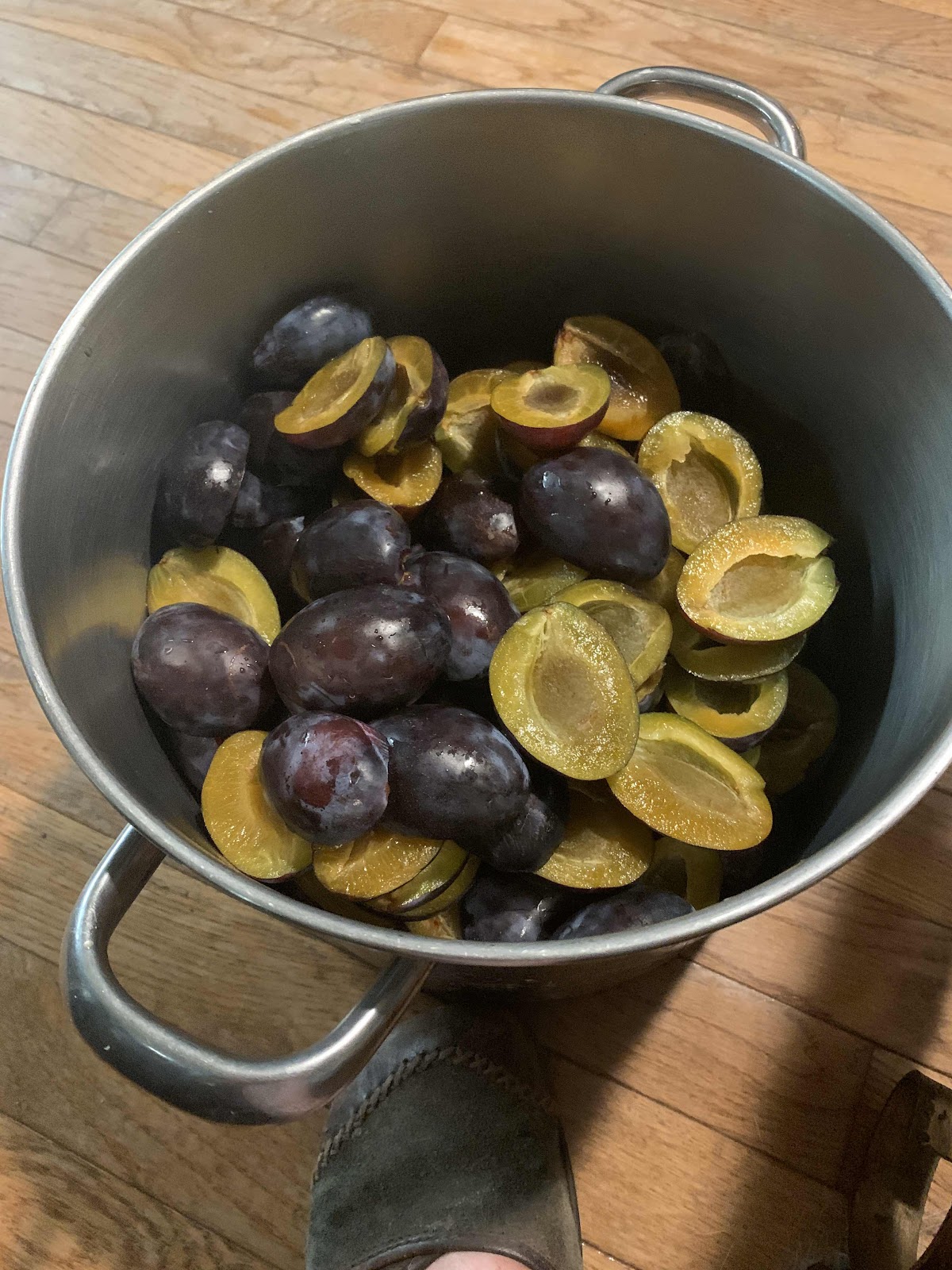
It was an “on” year for the Italian plum tree. There are still hundreds of plums on it - falling fast - but I think I am done with plums for the year. In addition to eating them fresh until I was sick them, I dehydrated a gallon sized ziploc bag full and made twelve half-pints of plum jam. 

Actually, my mom and I made the jam together and it was really nice. She’s amazing, she doesn’t use pectin and her jam always turns out perfectly. She uses her own system for eyeballing when the sugar syrup is ready - she says it will jell when it looks like “King Farouk on a barstool,” which is to say when there are two side by side drips coming off the spoon instead of only one. 

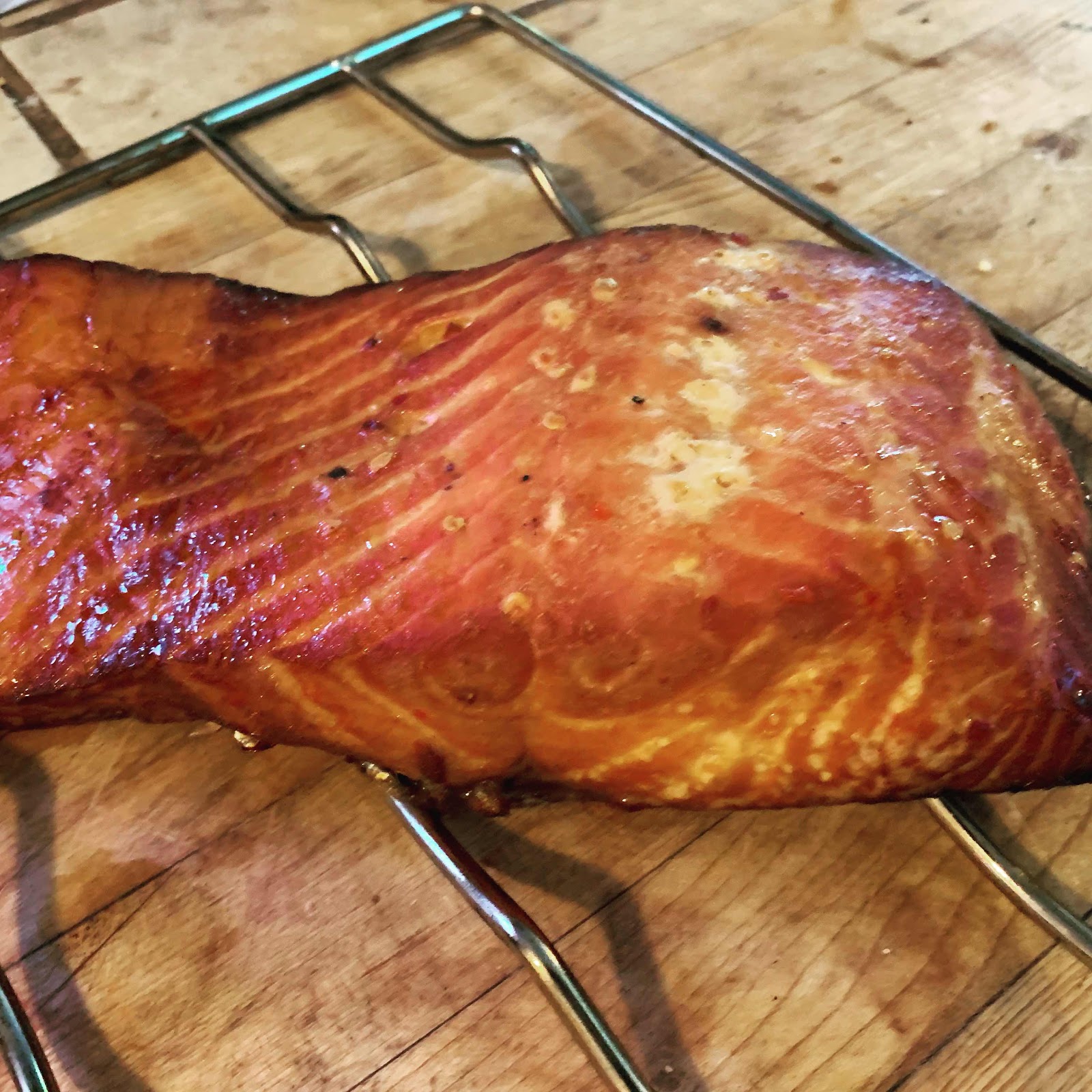
I also canned six pints of salsa ranchera and six pints of regular tomato sauce, and smoked two sockeye salmon. The main harvest left is the pears, but it wasn’t a very good year for pears and there arent a ton of them, for once. 


Monday, May 30, 2022

Herb Harvest 2022


Mint is one of my favorite herbs, not only for its zingy flavor and medicinal qualities, but because it’s a hardy perennial that’s damn near impossible to kill, even for a notorious plant murderer like me. 

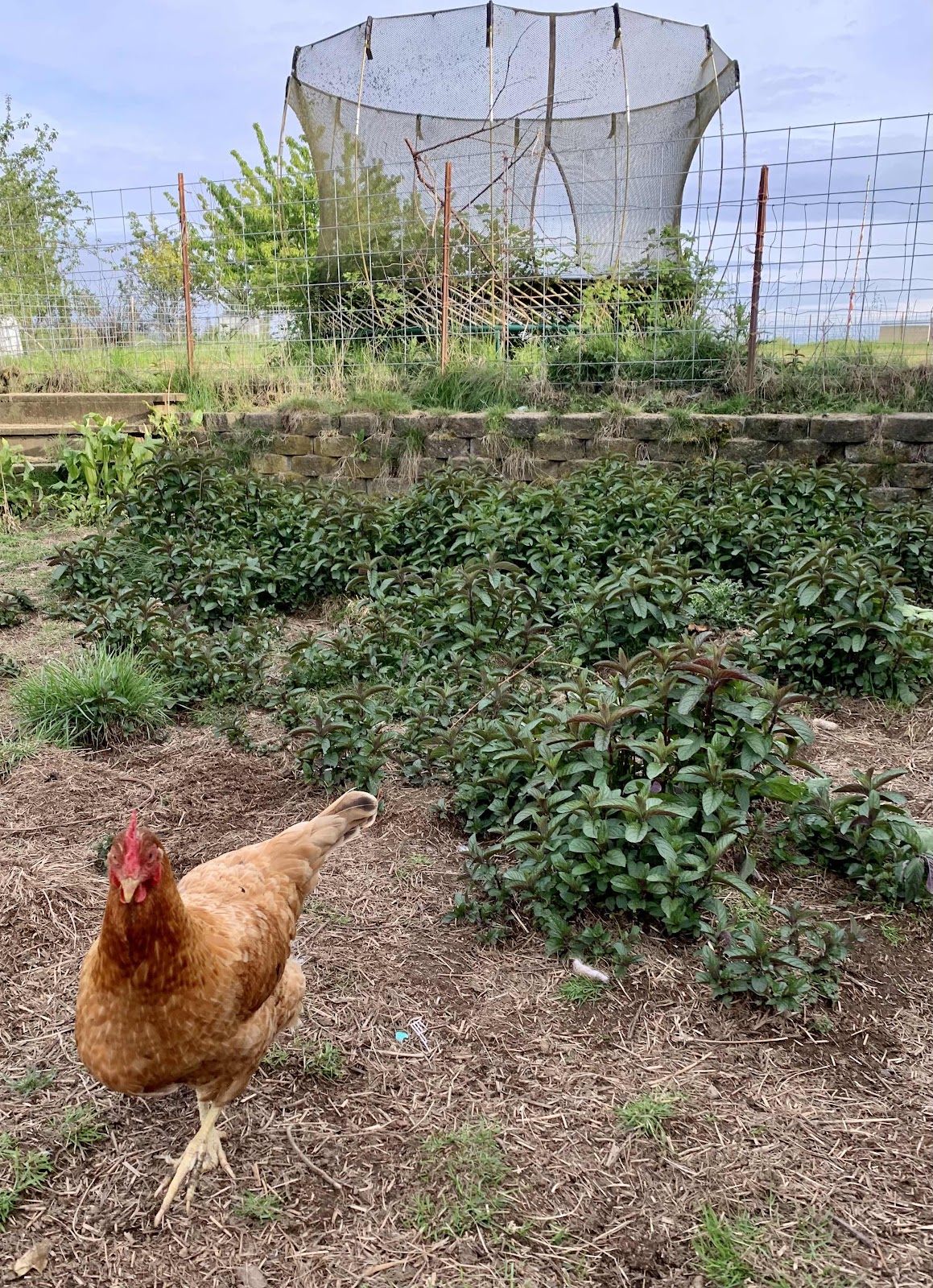
I have spearmint in the front yard and peppermint in the back yard. The spearmint is buried in amongst a hedge of tall weeds and I have to forage for it. This used to be the case for the backyard peppermint as well, but ever since we moved the chickens, the mint is the only green thing left. The rest of the yard has been scratched bare. 


Spearmint is a lovely herbal addition to lots of dishes and we eat a fair amount of it fresh. I add it by the handful to tabouli, for example, and to fresh fruit salads, especially melons. I added some to the melange of herbs I chopped finely and added to my chevre. It even goes well into a pot of Mexican chicken soup, if you can believe that.

Peppermint is a different proposition altogether. It’s much too strong for use as a vegetable or salad green. Mine is so strong that if you chew on a fresh leaf it actually burns your mouth. It’s pretty strictly for tea. A few years ago I made some peppermint vodka, but that’s out of my realm these days. 

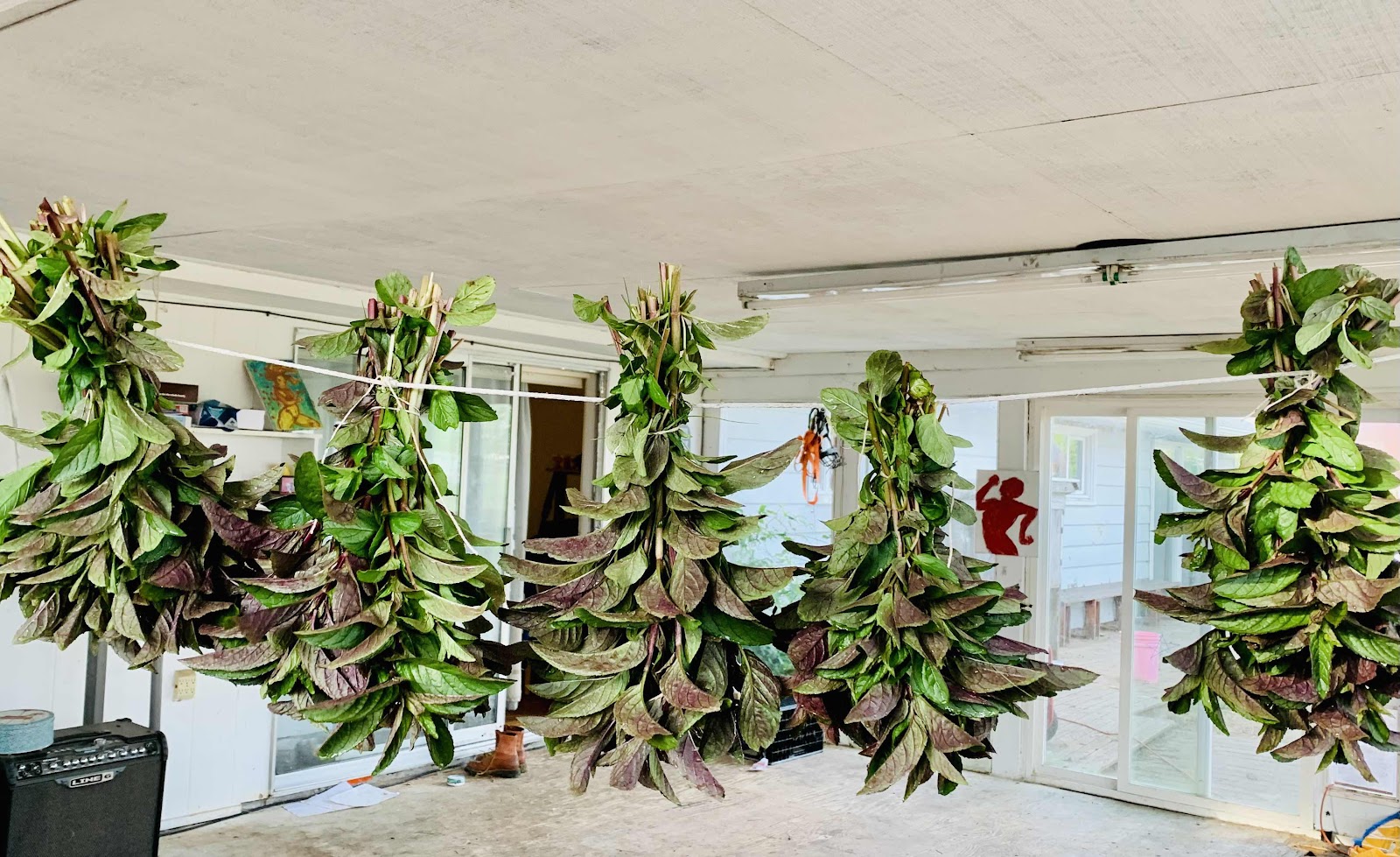
Last year I cut a couple bunches and hung them up to dry in the playroom. Then I forgot about them for an entire year. You don’t generally want to leave your herbs to dry for a whole year - most books will tell you dried herbs last a few months, maximum. However, today when I took the bunches down and rubbed the leaves off them, the scent of peppermint that wafted up was still vibrant. So I crushed them in my hands - they were crispy dry and crumbled nicely into bits - and put them into an airtight storage jar. Later on tonight I’ll make some tea and see how it tastes. 


Then I went and cut five more big bunches of peppermint and hung them up to dry. Since they are in the chicken yard, 
I gave them a good rinse first. This time I will try to remember to strip the leaves and jar them up before another year goes by. I should probably order some desiccant packs from the restaurant supply store, too. That will eliminate any chance of mold. And I’ll want them in a few months when it’s mushroom drying season. 


Now, I should probably get to work and harvest the lemon balm! Lemon balm makes delicious lemony tea and it’s very calming and good for nerves and insomnia. And I have an absolutely ridiculous amount of it. It’s in the mint family as well, and it gets out of control fairly quickly. 

Saturday, September 26, 2020

It’s Pear Time!


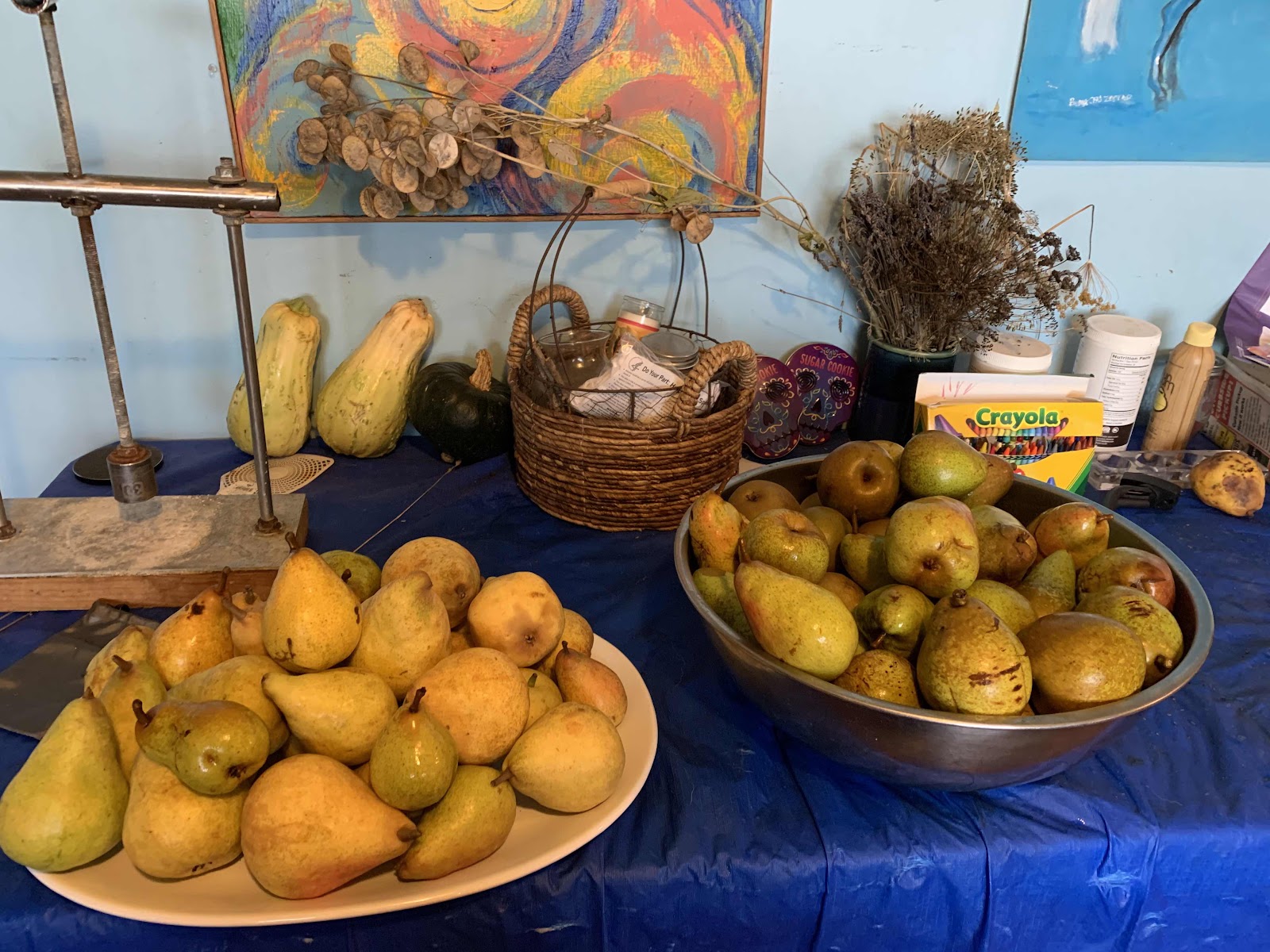
We had a bit of a windstorm a couple days ago, and as usual, it knocked a bunch of pears off the trees. Went out and collected some today - just some - and here’s the result. 

On the left - pears that need to be dealt with NOW or never. Mostly Comice pears - my favorites. They are buttery and delicious and dependably ripen off the tree. There are approximately twenty perfectly ripe pears on that platter, which will be past-perfect tomorrow. 

On the left, a humongous bowl of unripe pears. These blew down off the other two peat trees - I can’t remember their varieties - and every year I am perplexed by their stubborn refusal to ripen. I’ve tried various things - closing them up in a box with some ripe pears or with a banana, and it doesn’t help. I’ve tried putting them in the refrigerator drawer because I have read that some pears won’t ripen without chilling. Nada. They just stay hard like greenish brown rocks until they eventually begin to rot. Someday I will unlock the secret if these pears, but this year I’m going to try cooking them and see what happens. 

But what to do with the ripe pears today? We can probably eat six of them out of hand. Or I could make a pie. Pear pie is delicious. There’s always the dehydrator. Or, of course, pear sauce. But my kids don't usually eat a lot applesauce or pear sauce, and it tends to just sit on the pantry shelf for years. Plus, there’s a severe shortage of canning jars at the moment. 

Maybe I’ll give them away. That’ll probably work! 

Sunday, September 13, 2020

Preserving Log (Late Summer 2020)


I’ve been on an absolute tear in the kitchen the last two weeks. Late August/early September is the middle harvest season (Mabon is coming right up), the prime harvest season around here. Here’s a list of what I’ve done lately - as far as I can remember. 


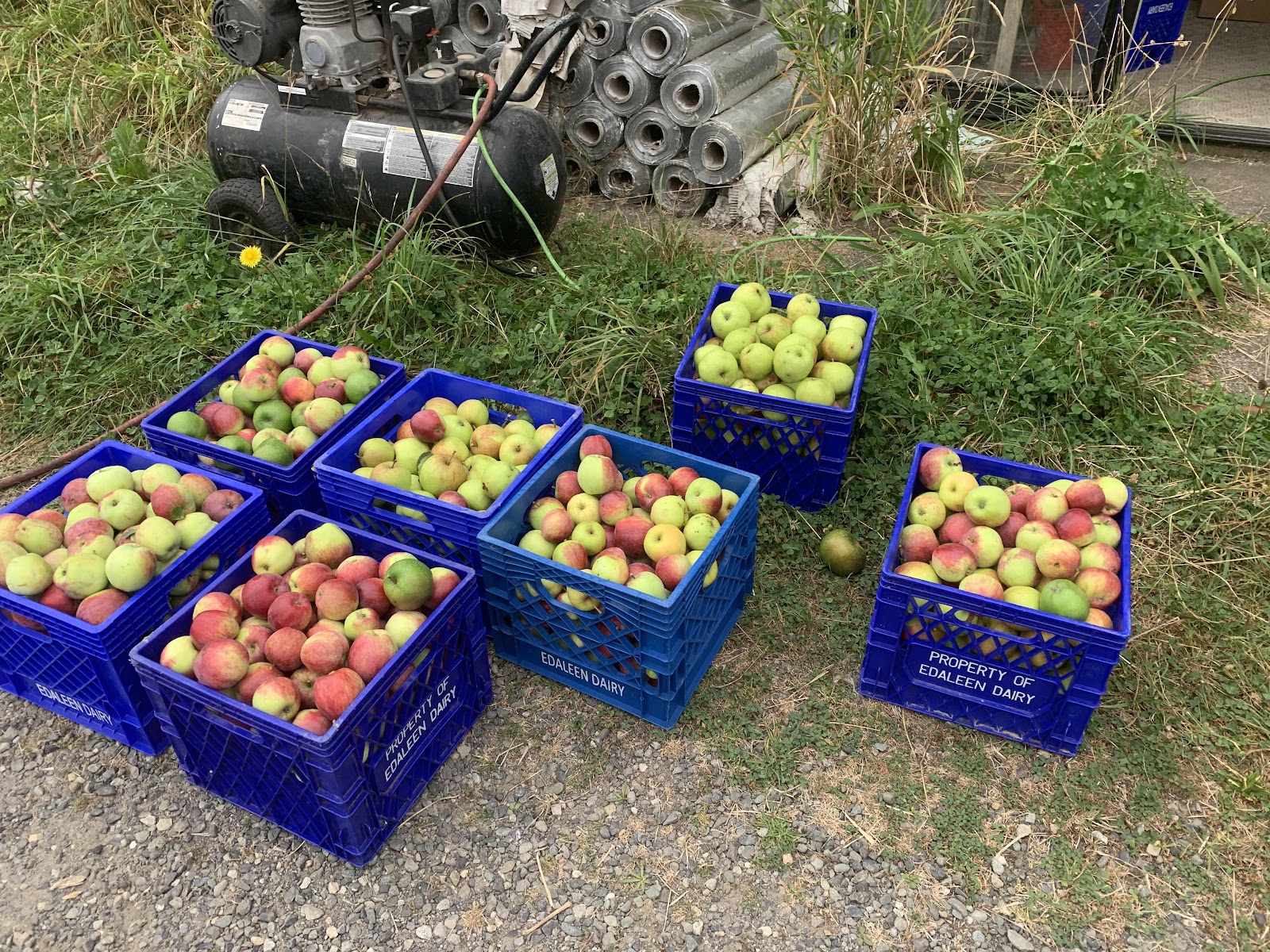
Today the girls and I pressed about ten gallons of cider, from the apples you see above. My friend H. down the way has a dozen apple trees and was only too happy to let us pick some. Tomorrow I will bring her some cider. 

Cidering is hard work. Picking the apples, carrying the crates, washing the apples, hauling the press out and cleaning it, bending down and standing up approximately 7000 times, pressing the buckets, pulling the tight-packed plate back out of the buckets, carrying the apple mast to the compost. It’s messy too, with little bits of apples flying everywhere and juice on everything. By the end I was so sweaty and sticky and tired! Working outdoors in this horrible smoke isn’t a lot of fun, either. But this was the first time we’ve pressed cider in a couple years and overall it’s a great experience. 

The smaller of my two carboys, three gallons, will be made into hard cider, and we’re keeping the rest sweet. I threw two gallons into the freezer, which leaves us about six gallons to get through before it turns into tepache. Not that there’s anything wrong with tepache. 


Plums. This in an on-year for the Italian plum tree, and there are hundreds and hundreds of plums. I’ve dehydrated enough to fill a gallon ziploc bag - more plums than you probably think - and the dehydrator is full of plums right now too. 

I’m taking another swing at plum wine. My past efforts have been drinkable, not fantastic.  Probably I won’t get any better unless I buy a little more equipment - like a hydrometer - and start taking recipes more seriously. But hey - there are so many plums. How far wrong can you go? Right now there’s about two gallons in a primary fermenting chamber and I’ll pitch the yeast tomorrow. I have to go buy another carboy because all of mine are currently full of apple cider. 


One of Homero’s clients brought him an enormous side of  salmon as a tip. I cut it into five approximately 1 1/2 lb pieces, and we ate one fresh and then I smoked the others. One of the smoked pieces is in the fridge to snack on and the others are vacuum sealed and will keep in the fridge for a few months. Probably not until Christmas though, sadly. Smoked salmon is my favorite thing to send friends and family as a Christmas gift. I could throw them in the freezer but I’m not sure how well the texture would hold up. 

Let’s see, what else? Oh, I canned six quarts of salsa ranchera  this week with tomatoes from gleaners. But I’m not doing a lot of canning for the simple reason that I can’t find canning lids anywhere! Apparently canning lids are the toilet paper of this phase of the pandemic. I have one package of small mouth lids left. 

A couple days ago I hit my favorite local farm stands just to see what was available. I brought home some sweet corn (which we ate), some cherry tomatoes (ditto), five pounds of green beans, and three smallish kohlrabi. I started kimchee with the kohlrabi. Earlier this summer I made a batch of kohlrabi kimchee and it was the BOMB. It’s only about a quart, but we will enjoy it. 

I’ll have to decide if I want to use the last of my canning lids to make canned dilly beans with the green beans, or if I will lacto-ferment them like kosher dill pickles. Both ways are good. 

I haven’t even started in the pears. Good lord, the pears! WHY did I plant FOUR pear trees? 


Sunday, July 19, 2020

High Cheese Season 2020 (Making Do)


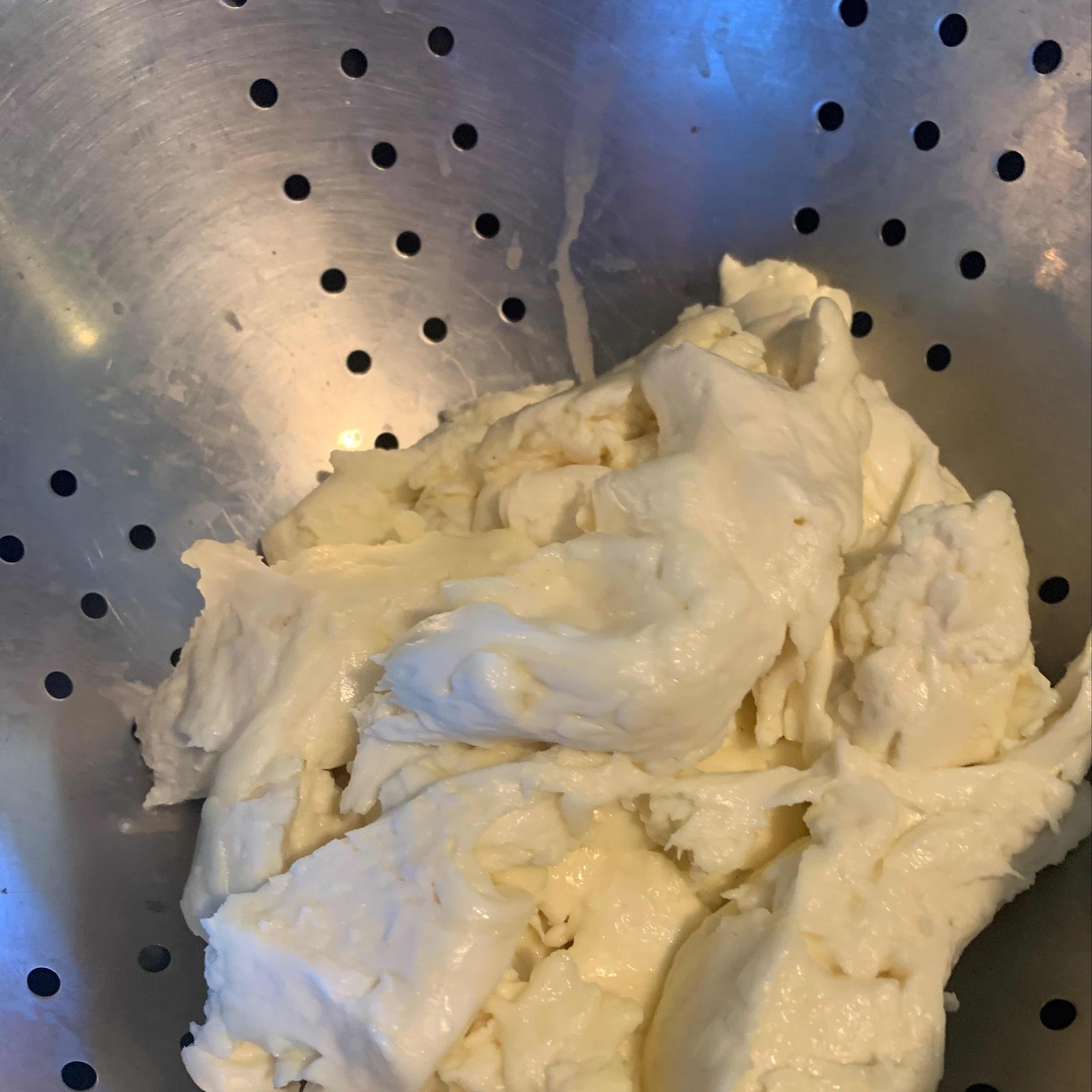
            A middle stage in the making of cheddar 


In last week’s post on preserving, I forgot to include cheese. Cheese is kind of the whole point of this farm - a desire to milk goats and learn how to make cheese was one of the driving forces in moving up here in the first place. After ten or so years, I have developed three or four cheese recipes that serve me well. As in many endeavors, it is pretty easy to achieve a basic level of competence, and then quite difficult to move on to a level of expertise that allows for consistent, high quality results every time. 

Being who I am, I have more or less decided that I’m happy with my level. I very seldom have an abject failure - all the cheese I make tastes good and is usable for one application or another. But I often have to decide what that application is AFTER I see how the cheese turns out. 

Today I am making chevre and cheddar. Chevre is easy - you just culture the fresh milk and wait 24 hours, then drain it through a clean pillowcase and salt it to taste. Once in a while, especially in very warm weather, the chevre will develop some off, goaty flavors that nobody is fond of. When that happens, I incorporate the cheese into a highly flavored recipe where the goaty flavors will be outcompeted,  like spicy eggplant Parmesan. 

Cheddar is more difficult. It requires several steps, and my recipes include instructions that are patently impossible to follow in a home kitchen, such as “hold the milk at exactly 99 degrees for four hours.” Much of the “cheddar” I’ve made is actually just “plain semi-hard cheese.” The most common defect is that it stays crumbly instead of melding into a single, smooth textured mass. But hey, goat cheese crumbles are a delicious addition to many dishes. Luckily, my Mexican husband is totally used to a dish of cheese crumbles on the table as a condiment, with a spoon, for sprinkling onto everything from refried beans to scrambled eggs to green salad. 

Making do with what you have is a philosophy, one that I’m fond of. I’m not going to waste any time lamenting over a “failure” to produce perfect cheddar when what I’ve actually produced is a pretty delicious piece of cheese. Instead, I’m going to incorporate that cheese into the larger, creative task of taking stock of what I have on hand and weaving disparate ingredients into something new and satisfying. 

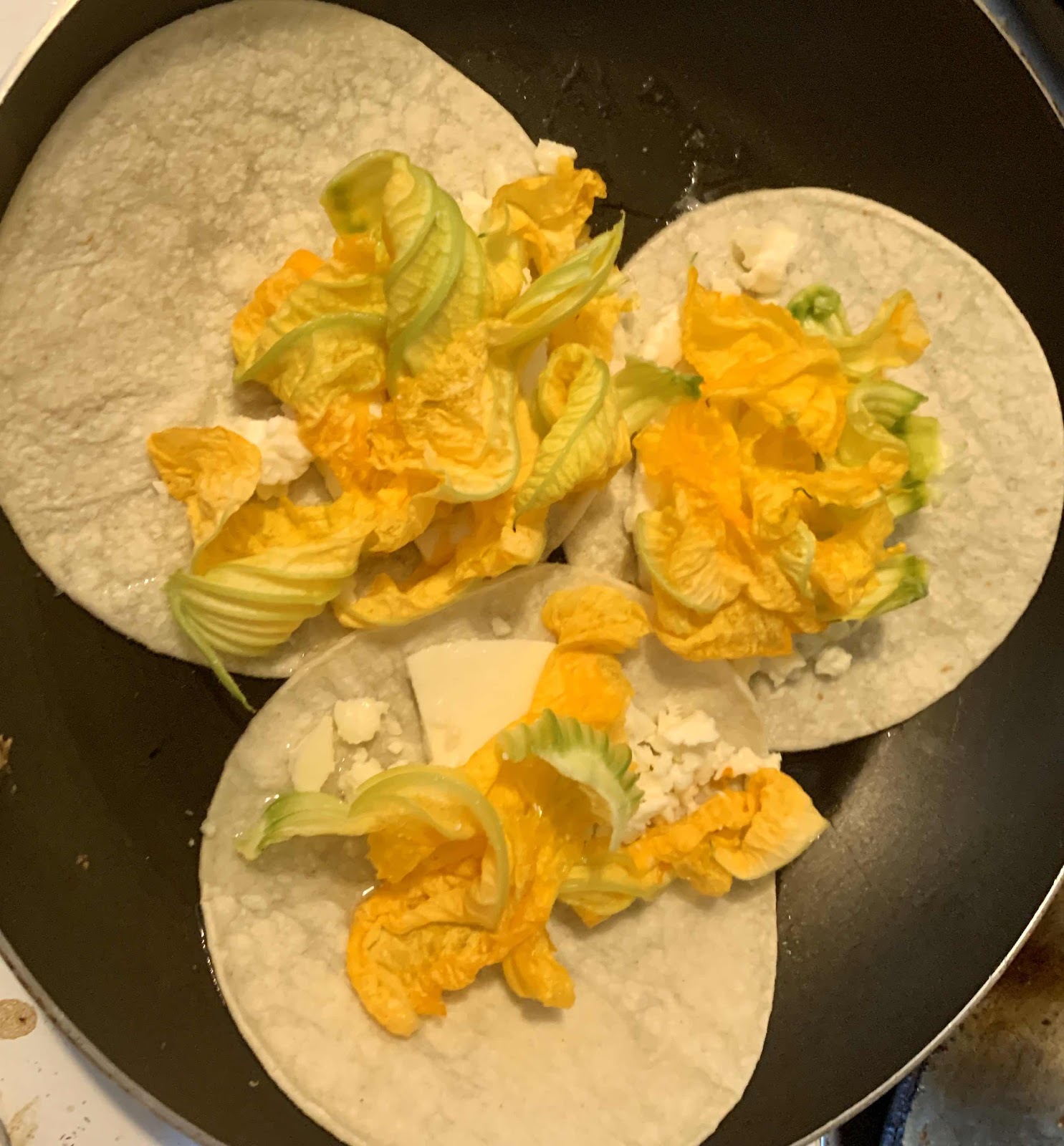
This morning, I opened a vacuum sealed package of cheese from early this spring, expecting to find a nice, mild, melting cheddar. Instead it was a sharp flavored crumbly cheese. But it still worked well to make squash blossom goat cheese quesadillas for breakfast. I got no complaints. 


Wednesday, July 8, 2020

Preserving Log (Early Summer Edition)


I’ve fallen behind on my blogging, I’m afraid. Since the stay-at-home order was lifted early last month, I’ve been busier than a one-armed paper-hanger (as my mother used to say). 

Mostly, I’ve been working a lot. All the procedures and routine checkup and vaccination appointments and dentist appointments that were canceled during the lockdown have been rescheduled, and all the doctor’s and dentist’s offices are full. My agency is down by at least three interpreters. Two of them are elderly and not in great health and so are not taking appointments at the moment, and o e of them got stuck in Spain way back in March and hasn’t been able to come home yet. This means there is a ton of work for me, more than I want, really, but if I turn appointments down they often go unfilled.

In my free times, this is what I’ve been doing as far as preserving goes: 

 - several small batches (3-4 quarts at a time) salsa ranchera, as the gleaners pantry gives me the ingredients

- a gallon of kosher fills that is almost gone now. Yesterday I bought more pickling cucumbers and later on today I will gather grape leaves start a new batch

- a gallon ziploc of dried cherry tomatoes. Haven’t done this before and it’s really good. I season them with a little salt and garlic powder and then dry them till they are very leathery or even crisp. Nice for snacking and they add great flavor to a stew or soup.

- froze about a dozen quarts of strawberries. Went to the u-pick with friends when they were up visiting. 

And today I am breaking out the big stockpot to deal with this:


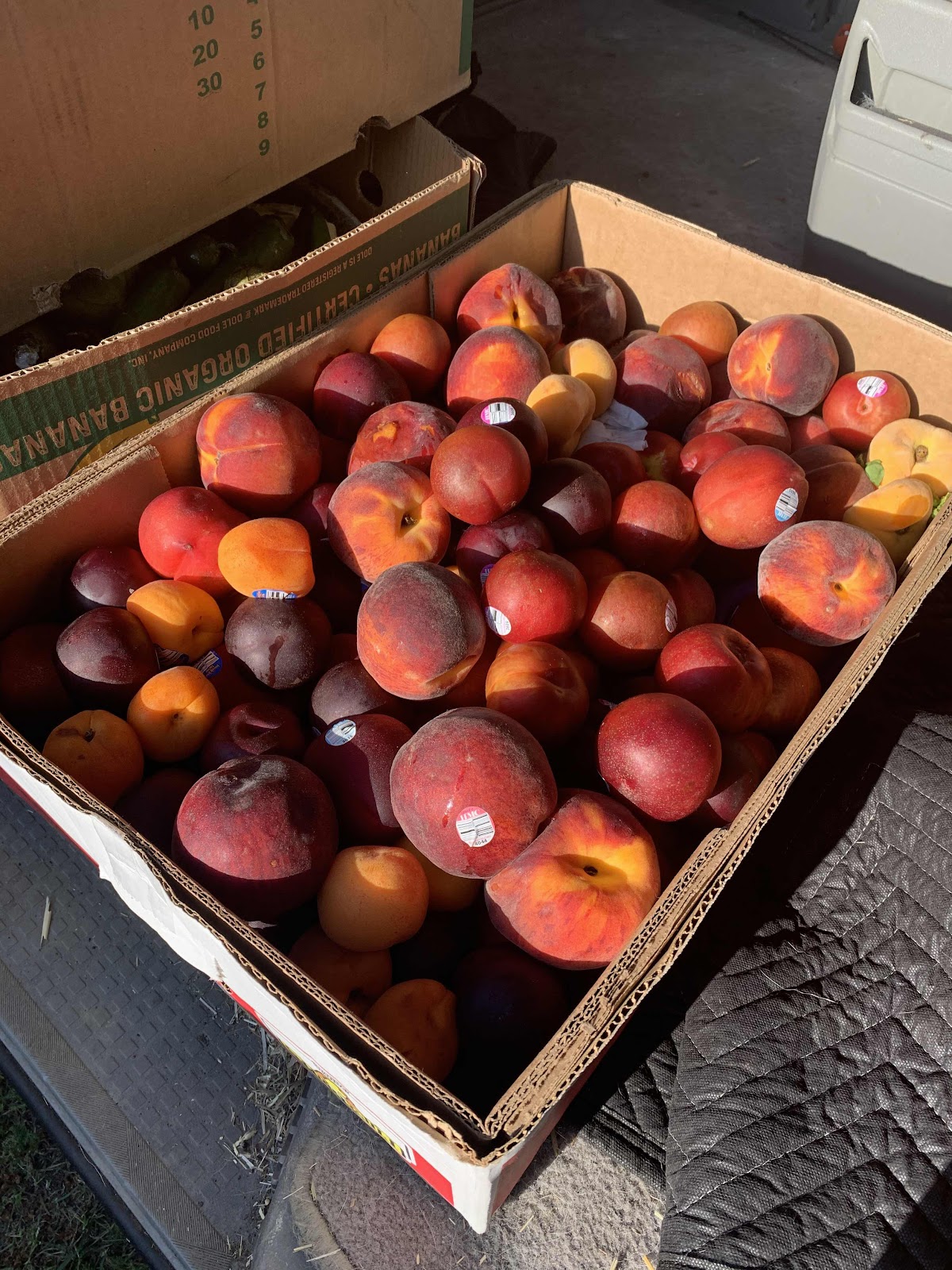
That’s about 25 pounds of mixed stone fruit from gleaner’s. After I separated the fruit that was too far gone and picked out the fruit that was still perfect for eating fresh, I was left with about ten to twelve pounds of slightly overripe fruit. The last hour or so has been devoted to bleaching, peeling, and chopping and my kitchen looked like a couple of murders had taken place (red plums!) but now I have this simmering on the stove:


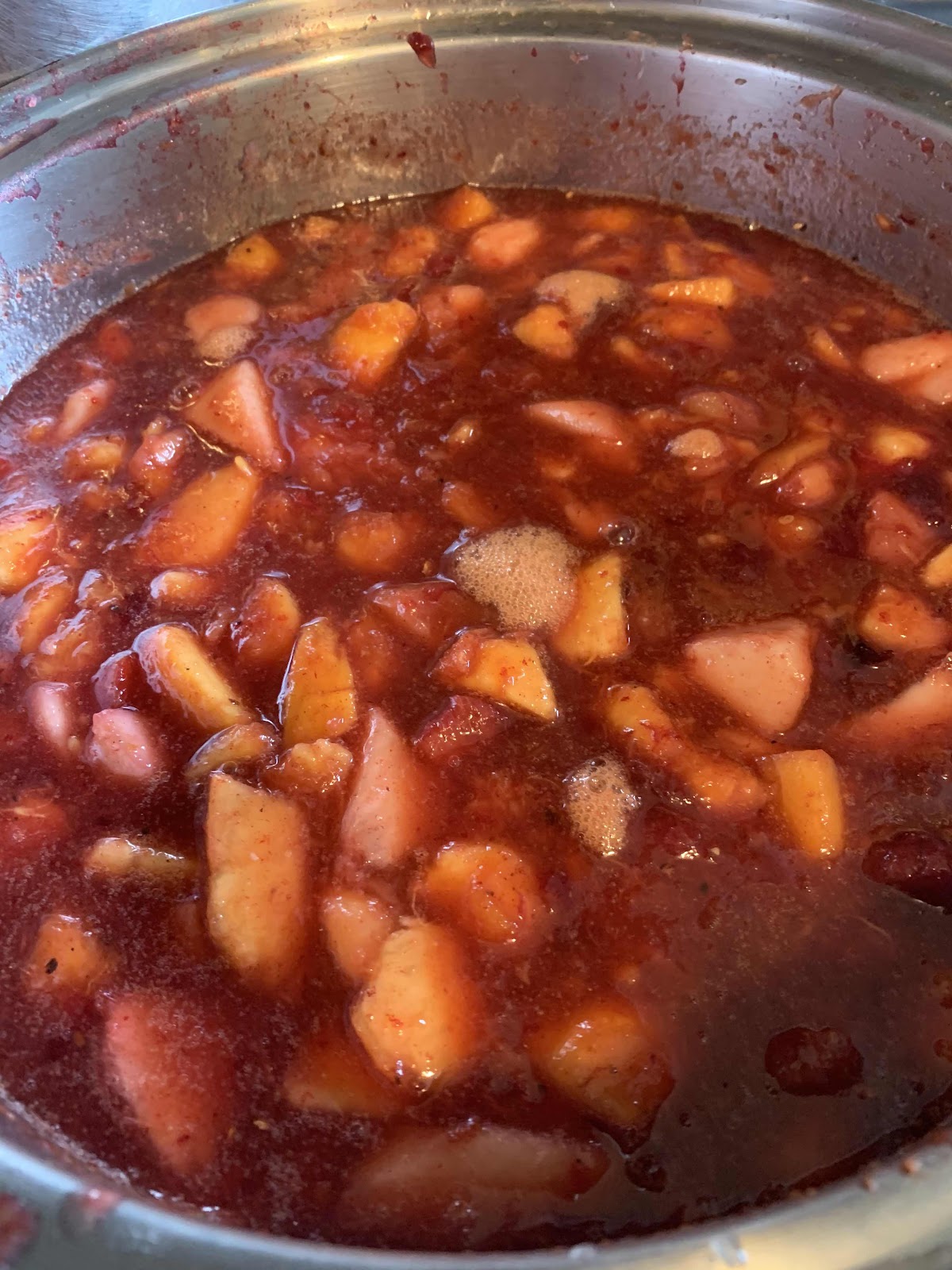
Spicy stone fruit chutney. It has cinnamon, cloves, black pepper, red pepper flakes, a TINY hint of garlic, brown sugar and apple cider vinegar. It smells like heaven and it ought to be delicious with pork chops, chicken breasts, or maybe a hearty fish like halibut. It’s super pretty, too. 

But man there’s gonna be a lot of it. I think this may be my Christmas present to a few people this year. 

Still sitting out on the front porch: a crate of corn on the cob to be shucked, shaved, and frozen; and about ten pounds of jalapeños to be turned into rajas en escabeche. I might get the peppers done today, but he corn is gonna have to wait. 


Tuesday, July 30, 2019

The Fermentation Files (Pickle-Palooza)


I’ve been doing a lot of fermentation lately. There was the rhubarb wine this spring, which I bottled a few weeks ago (and sampled while I did, of course). I made a really amazing batch of curtido, which is basically sauerkraut with Latin flavors. That’s a little simplistic, but not wrong exactly. 

Curtido is heavily salted shredded cabbage with shredded carrots, thinly sliced red onions, oregano, and jalapeños (if you like). Traditionally it is barely fermented - just about the level of fermentation you’d expect if you made it the day before and then left it out unrefrigerated in a hot central-American climate. I made curtido but then packed it into a half gallon jar and pounded it as you do for sauerkraut. Two weeks later it was sour and delicious, the cabbage wilted but still crunchy. I just finished that batch yesterday, piled on top of black bean burgers slathered with mayonnaise. Delicious. 

A friend gave me a ten pound sack of organic red onions. I didn’t know how to use those up, so I asked in my Facebook group dedicated to fermentation if anyone had fermented red onions before. The response was enthusiastic, so I went ahead and tried it. I added several sliced Serrano peppers, because my goal was something as spicy and yummy as the pickled red onions you find as a condiment  on every southern Mexican table. I was very pleased with the result - but I thought the spicy pink brine was even better than the onions themselves. 

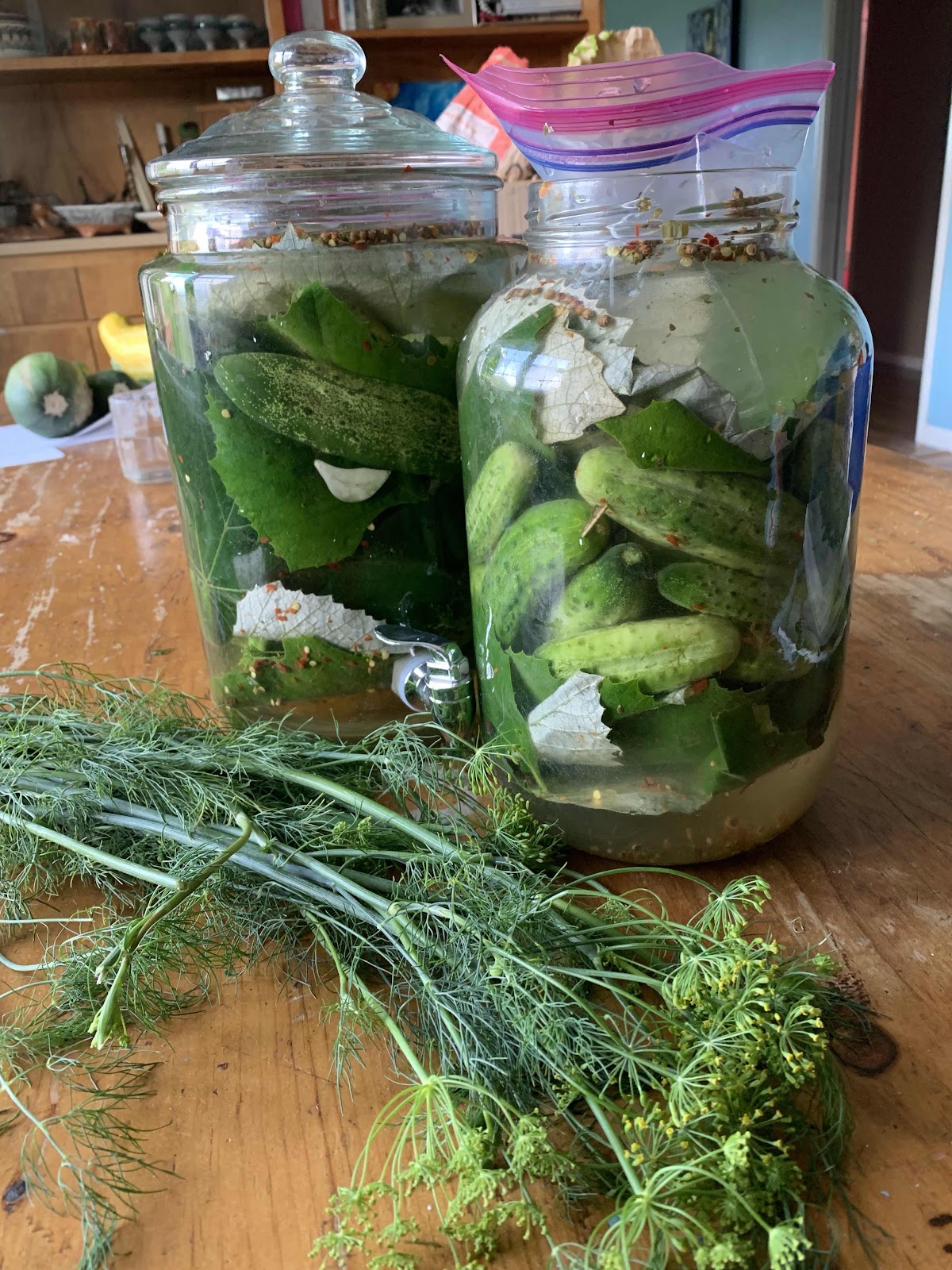
My favorite ferment will always be kosher dill pickles. Nothing is as satisfying as a salty, crunchy cucumber spear alongside a well made grilled cheese sandwich. We all love kosher dill pickles here, but even so I made too many last year. Too many being about five gallons. Eventually, they did all get consumed, but by November they were no longer as crisp and appetizing. Instead of eating them out of hand, I chopped them and put them into tuna salad or potato salad. 
This year I’m making two gallons. I imagine sometime in late September we will all be wishing I made more. 

And then of course there’s all the cheese I’ve been making... but that’s really another post. 

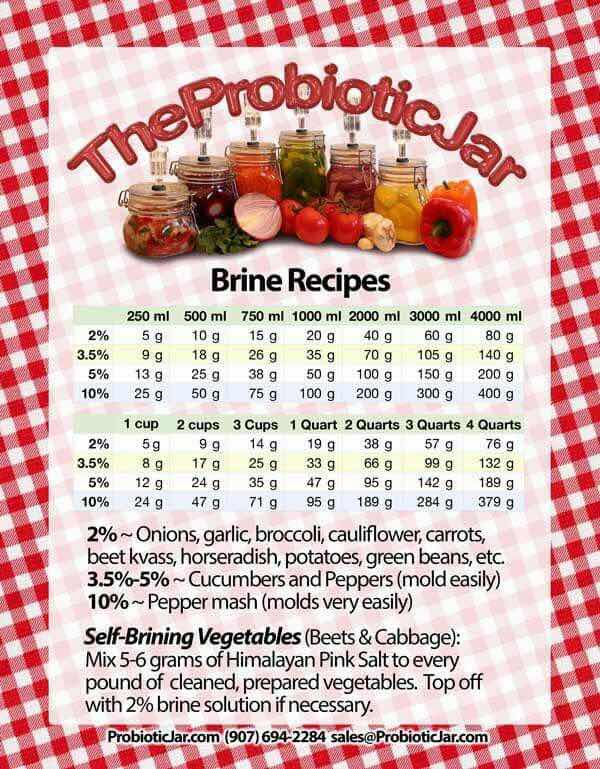
I encourage anyone who has ever been interested in lacto- fermenting to give it a go. It’s really entry-level food preservation. It’s low-risk and high reward. Here’s a neat chart I found in my Facebook group to help you get started. 


Saturday, May 18, 2019

The Fermentation Files, Spring 2019


Spring finally sprang, and we’ve had a few weeks of beautiful weather. The grass grew all at once, the trees blossomed, and the rhubarb plant went wild. 


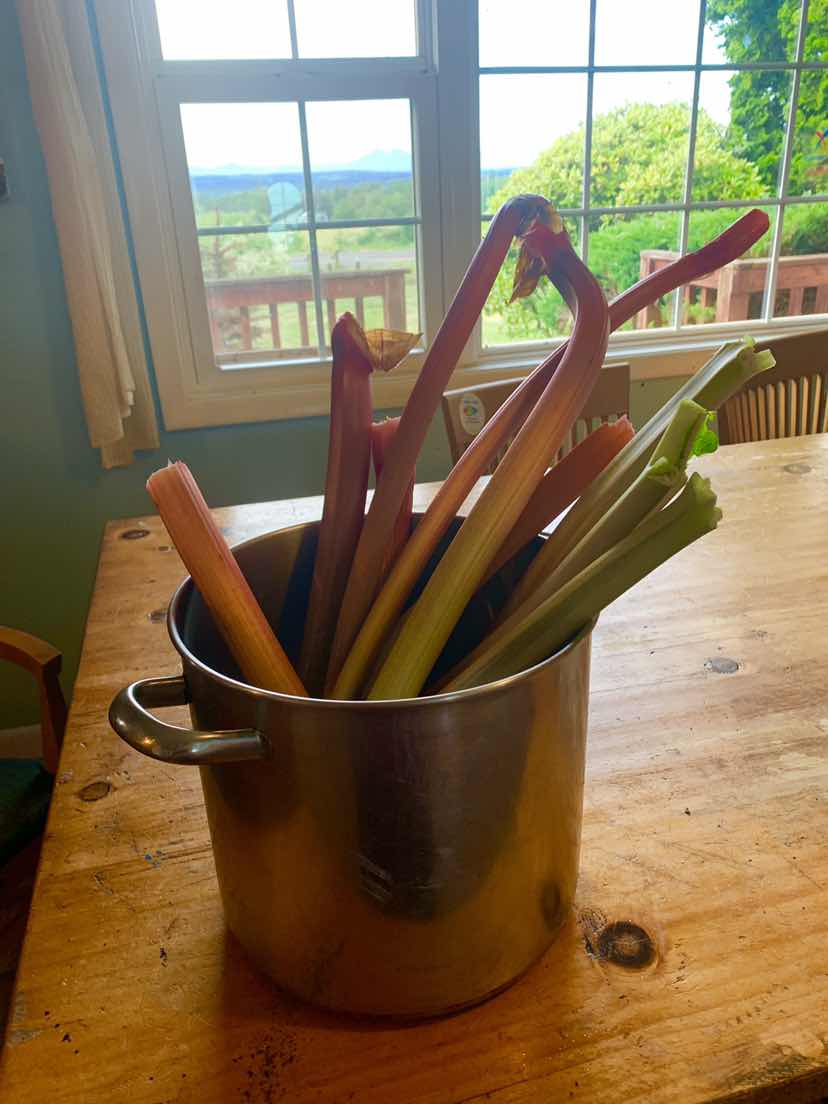
I love rhubarb, it’s exactly the kind of low maintenance perennial I want to fill my property with. But it is seriously prolific. By mother’s day I had already exhausted my family’s patience with rhubarb crisp, rhubarb pie, and rhubarb quickbread. So today I decided to start another batch of rhubarb wine. 

Last year’s rhubarb wine came out pretty good - dry, light pink, and quite quaffable. It’s nice to be able to start a wine in springtime, because most homemade fruit wines are only possible in the fall - blackberry, plum, hard apple cider. Rhubarb can be started now, in May, and be ready for drinking in September when the other wines are just getting started. 


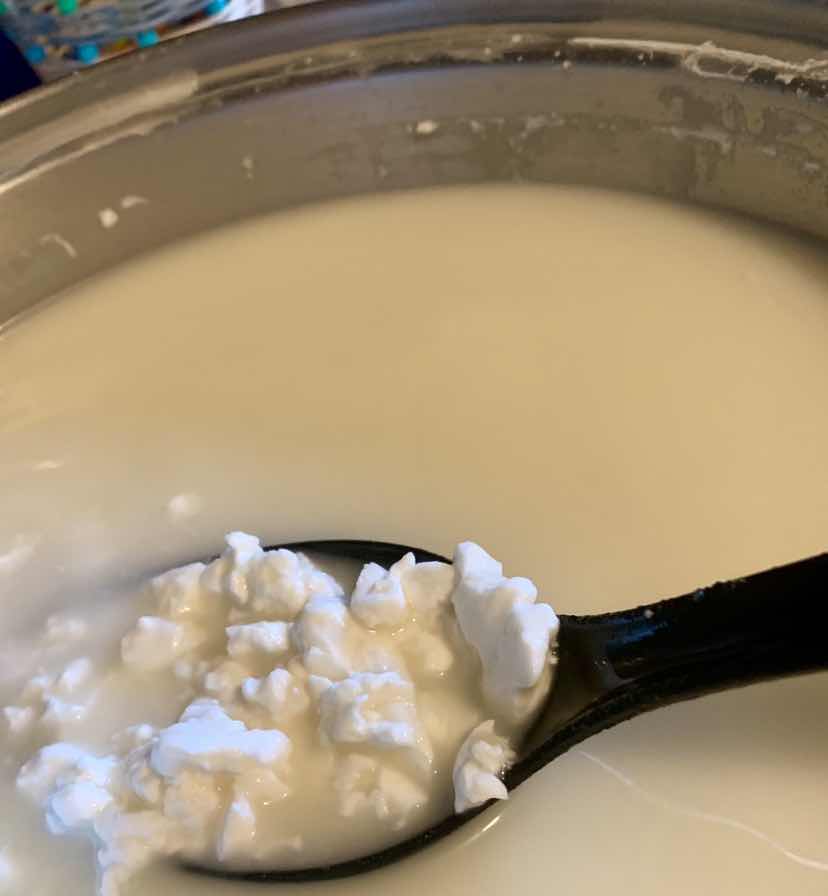
It’s cheese season. The mama goats still have nursing babies on them, and will for the next few weeks. So I’m only getting about three quarters of a gallon daily, but that’s still plenty for making some cheese. 

This year I decided to switch up the cultures I usually buy.  In years past,  I have bought an all-purpose mesophilic starter that says it is suitable for chèvre, queso fresco, feta, and cheddar. And it is suitable for all those purposes.   But this year I decided to spend a little bit more for a fancier culture from France, and I’m so glad I did. My chèvre is leaps and bounds better than last year. It’s smooth, tangy, and delicious. It was a big hit at mother’s day brunch. 

Tonight I’m making cheddar with the same culture. I’ve made two batches of hard cheese before now, and they have been drying in the shelf during this nice dry weather. Today I broke out the vacuum sealer and sealed them up for long term storage in the fridge. That’s the best system I’ve yet found for keeping hard cheese at home without molding. It’s not ideal - the cheese doesn’t “breathe” if it’s vacuum sealed - but it does keep the cheese from molding for a good six months, which means we can enjoy cheese in December. 


Tuesday, February 5, 2019

Jelly Fail and Jelly Lessons


Pepper jelly


I am not an expert canner. I do a lot of water bath canning - at least, “a lot” statistically speaking. Most people don’t can at all anymore, so I’m on the upper part of the curve by default. In my circle, there are still a fair number of women who “put up” a significant portion of their family’s food every year. These women count their canning jars by the gross - I count mine by the dozen. My best estimate for my current supply is eight dozen - two thirds filled, one third empty. 

Nonetheless. Canning is a regular part of my kitchen activity. I can at least once a month year round, thanks to the Gleaners’s Pantry, and in the high season I might can once a week. This week, the Gleaners’s Pantry offered up beautiful peppers, and so I decided to make pepper jelly. 

Pepper jelly is an under appreciated condiment - it’s delicious and beautiful both. It makes an excellent Christmas present. At the end of the day, though, it’s jelly. And I’m not good at jelly. Judging by the number of websites devoted to helping people master jelly and/or fix jelly gone wrong, I’m not the only bad-at-jelly canner our there. 

Jelly, it seems, is rather finicky. Jelly requires a level of kitchen precision more often associated with wedding cakes or soufflés. By which I mean, I guess, the willingness and ability to closely follow a recipe, including actually measure all the ingredients and being in possession of a thermometer.

I have a thermometer - I’m both a nurse and a cheesemaker - but I cannot, for love or money, closely follow a step-by -step recipe. Therefore it follows that my jelly often refuses to gel. Today’s pepper jelly seems to have done just that.

While I was searching the internet for reasons my jelly might have failed to gel and for ways to repair a failed jelly, I learned a whole bunch of things I did not know about jelly. Most of those things only served to reinforce my suspicion that I may be congenitally incapable of the precision and consistency required, but in the firm belief that the information may be useful to others, I offer some of the tips I learned here:

- when removing the jars from the water bath, try to keep them vertical. Set them down gently. Any jarring motion or departure from the vertical can interfere with gel formation.

- leave the jars alone for two full days. It can take that long for the gel to firm up. Really!

- try putting a jar in the fridge. Cooler temps can help. 

If none of this works, you can open the jars and re-do the entire process. But holy mother of god, the instructions for determining what went wrong in the first place and how to correct it read like a third-year chemistry exam. Apparently, gel formation relies on a complex interplay of the variables Acidity, Pectin, and Temperature. Hence the whole following recipes thing. 

Here’s a list of sites that provide detailed instructions, but to be honest, my favorite advice is “call it syrup and move on with your life.” 


Thursday, December 27, 2018

A Peck of Disappointing Peppers


The Gleaner’s Pantry usually has an abundance of food after any major holiday - and this year was no exception. The day after Christmas there was a special glean, and along with a plethora of cookies, cakes, pannetone, and various and sundry candies, there was also a vast amount of fresh vegetables and fruits. 


I took home three or four sacks of oranges, a half a dozen pomegranates, and a goodly number of specialty pears wrapped in crinkly foil paper, lovingly packed into wooden crates, and labeled with a well-known national
brand. But the real haul was a near-bushel of shiny, green, taut-skinned jalapeños. I couldn’t see a damn thing wrong with these peppers, nor imagine why they had been thrown away. I took all of them that nobody else wanted - at least two full shopping bags full. 

This morning I spent three hours with a pair of latex gloves on, prepping the peppers for canning. I searched the cabinets and discovered a dozen wide mouth pint jars; I unearthed the lids and rings and set them to boil. I sat down with a paring knife and put on a CD and filleted some fifty or sixty peppers and cut them into rajas. I made a brine of one third white vinegar and two thirds water, a half cup of sugar and a quarter cup of salt, pickling spices and several cloves peeled garlic. 


Ten pints of sealed pickled peppers later it occurs to me to actually taste the peppers - there were a lot left over. And damn! I finally figured out why such a huge quantity of perfect peppers was at Gleaner’s in the first place. These supposed jalapeños had ZERO heat. They were basically small, pointy green bell peppers. 

You have probably noticed - if you are over thirty years old and like to cook -  that jalapeño peppers have changed in the past decade or so. A new hybrid came out ten or fifteen years ago: a bigger, blunter, WAY less spicy jalapeño. I think it’s a cross between a jalapeño and a green bell pepper. Recently, it seems that this is the only “jalapeño” you can find. The older, smaller, hotter jalapeños have pretty much disappeared from the markets. These days if I want a hot pepper, I have to buy serranos. But I have never yet run into a hybrid jalapeño that had NO heat whatsoever.

My guess is that somebody bought a bunch of this batch and then complained to the grocery manager - I know I would. And then the manager taste-tested them and came to the same conclusion I did - these jalapeños are shit. 

Oh well - now I have twelve pints of pickled anemic peppers. We usually go through a pint of pickled jalapeños every two weeks or so. They are standard garnish for three out of every four meals we eat here - scrambled eggs, taco toppings, sandwich fillings, components in tuna or chicken salad. But peppers without any bite at all? I just don’t know how we will use them up. 


Wednesday, October 3, 2018

The Fermentation Files (Plum Edition)


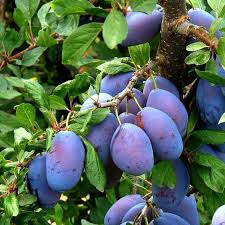
Italian plum trees are known for having an alternating harvest: one very heavy year alternating with a very light year. As everyone who has an Italian plum tree knows, the heavy harvests are very heavy indeed. In 2016, the last heavy harvest year, there were so many plums on the tree that branches were breaking from the weight of all the green plums, and we had to strip off and throw away hundreds and hundreds of unripe plums.


Last year, true to form, the tree produced very few plums. I am actually glad that the Italian plum tree provides its owners with a rest every other year, because dealing with literally thousands of plums all ripening at once is a ton of work.

Of course, we cannot possibly make use of each and every plum. That's just a silly proposition. Even if we were to dedicate ourselves to preserving plums 24/7 in season, inevitably many, many plums would fall to the ground and become a feast for wasps before we could make use of them. And that's just fine. After all, wasps need to eat too.

My sense of duty, however, and overdeveloped guilt reflex, mandate that I make a valiant attempt every year to utilize as many plums as possible. There are lots of ways to use plums: eating fresh (we eat a lot); dehydrating - the dehydrator is going day and night in mid-september; cooking in pies and crumbles; giving away to friends and neighbors; and wine. For using up a whole lot of ripe plums at once, there is no preserving method superior to winemaking.

In 2016 I made my first attempt at plum wine, and it was fairly successful. By which I mean I produced a quaffable product that would reliably get you drunk, not that I produced a product worthy of bottling and bragging about. Surprisingly, the wine was a light, orangey rosé, not the sort of deep, velvety purple you would expect from blue plums. It was pleasant, quite dry, with a bit of a sour tang. It was good enough that when faced with a similarly overwhelming number of plums this year, I decided to repeat the experiment.

One of my many failings is that I am constitutionally incapable of taking notes, keeping records, and thus reliably repeating successes in the kitchen. I can't remember - and didn't write down - what type of yeast I bought in 2016, nor whether or not I used yeast nutrient (which is something you usually have to add to wines that aren't made from grapes), nor how long I left the wine in the primary fermenting chamber (AKA food-grade plastic bucket) before putting it into a carboy and air locking it.

So, basically I was starting from scratch. I followed a recipe from one of my books, more or less - I decided I would forgo the reccommended yeast nutrient because I was making the wine on a weekend and didn't want to wait until the home-brew store opened on Monday. And I made a few other tweaks - I added honey instead of sugar, I didn't have any Camden tablets - okay, I basically ignored the recipe entirely and winged it 100%. Fruit + sugar + water + yeast + time = alcohol. Right?

I do - always - sterilize equipment with boiling water. That's a non-negotiable. And I used a real wine yeast (Chablis, if I remember right), not baker's yeast. But I think this year's batch may have suffered somewhat from my lackadaisical attitude. After putting the wine into a carboy and air locking it, it bubbled vigorously for a few days, but then stopped entirely, rather than just slowing down as it should do. I left it in a cool place to keep doing its thing for two more weeks, but then I sat down and stared at the airlock for three minutes. No bubble. That is pretty definitive that the fermentation has stalled.

Stalled fermentation isn't the end of the world - not even the end of the wine. There are things you can do to try to get it going again. I decided to rack the wine off into another carboy, thereby aerating it. Tasting the wine as I transferred it, it was pretty thin and sour tasting, so I decided to add a bit more sugar. I replaced the airlock, and now there's nothing to do but wait three or four months and then taste it. It will either be drinkable or not, and either way it's experience. The tremendous abundance of plums makes it cheap and low risk to experiment with winemaking, just as the tremendous abundance of milk in early summer makes it cheap and low risk to experiment with cheesemaking. If, next spring, I have a few gallons of nice plum wine, I'll be happy. If I have to pour a few gallons of weird plum vinegar out onto the compost, well, so be it.

There is another, much lower risk, delicious way to ferment a few dozen plums, though, and I did that too this year. A plum shrub. A shrub is basically a sort of fruit concentrate - you put chopped ripe fruit to macerate in sugar for a few days, and then pour over apple cider vinegar to cover. The shrub will keep in the fridge indefinitely, and can be mixed with water - still or sparkling - to make an elegant and yummy non-alcoholic drink. Of course, you can also add a jigger of rum or vodka or gin to your cocktail. I made a half gallon of plum shrub flavored with rosemary, and it was delicious, with or without spirits.

Looking forward to a year off. 2020 will be soon enough to get elbow deep in plums.








Wednesday, September 12, 2018

Preserving Log 9/18


Arrived home from Oaxaca ten days ago. In that time we had a lot to do to get the kids ready for school- go shopping for supplies and clothes, adjust their schedules, etc. Paloma made a schedule and posted it on the fridge:


We did all that. Also I started a serious job - ten days of full time, 8 hour days interpreting for a student enrolled in he Washington state Caregiver’s training program. I have done this same course several times before. It’s very demanding; after eight hours of simultaneous interpretation my brain feels like a bowl of cold oatmeal. But it pays well and after our expensive summer abroad I couldn’t turn it down. 

Meanwhile, the pears and the plums and the early apples just kept on coming. Here’s what I’ve done in the way of preserving in the last ten days, more or less in order:

1) dehydrated two gallons of pears and two gallons of plums

2) canned six quarts salsa ranchera

3) canned four quarts pear/apple sauce

4) three gallons lacto-fermented pickles

5) made three gallons of plum wine - currently undergoing secondary fermentation in a carboy on the mantle. 

6) made three pounds chevre

7) canned eight pints blackberry jam

8) froze a gallon blueberries

Planning on picking up several pounds of peppers for canning later this week. That’s about it for now. I want to hit the farmers market and look for wild mushrooms - chanterelle season is in full swing, and I’d like to dry a few pounds. 

Happy Mabon to you all. 


Saturday, September 1, 2018

Making Up for Lost Time (Mabon Again)


We arrived home late the night before last. Or perhaps more accurate to say, early yesterday morning. We finally opened the door to our home at about 1:30 am Friday morning, to a couple of very happy dogs. 

After sleeping in quite late, we set about cleaning the house (my daughter Rowan did a wonderful job taking care of the farm and keeping the place operational, but she apparently didn’t sweep the floor or scrub the toilet once in seven weeks). I had cleaned out the fridge before we left, so there wasn’t much food in the house. 

A quick reconnaissance of the orchard revealed that there is still a heck of a lot of fruit to cope with. The greengage plums are done for this year - though a neighbor friend picked a bunch and dehydrated some for us - but the Italian plums are still a week or so away from ripe, and the tree is loaded. 

Pears are falling all over the property. I think I may have mentioned that I have FOUR pear trees, which is a ridiculous number. The Bartletts are ripe, and the Comice pears are not far behind. The Seckels and whatever the fourth one is (I forget) have a ways to go. Today I picked up a few dozen fallen Bartlett pears that were still firm and  fragnrant and tomorrow I will haul the dehydrator out of storage and scrub it. The girls love dehydrated pears in their school lunches. School starts Tuesday. 

The cider apple tree is covered with apples. Cider season will be soon.  The other Apple trees, still quite young, have a few dozen apples apiece. And the Asian pears trees, planted two years ago, and a half have a few pears on them. 


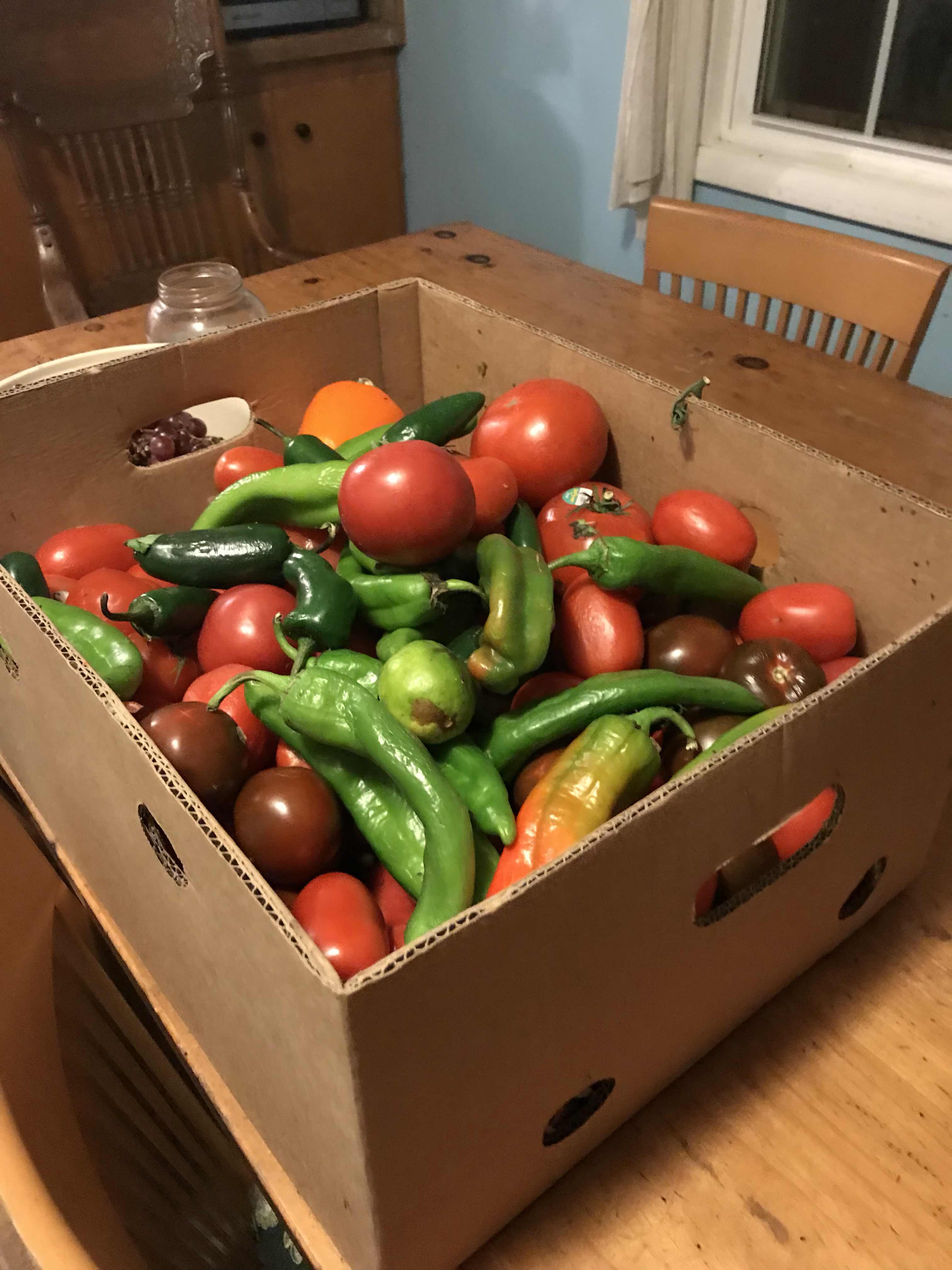
Today I went to Gleaners’s Pantry. Came home with the crate you see above - about twenty five pounds of tomatoes and peppers. Tomorrow I will can. I’m guessing there’s a good dozen quarts of salsa in that box. 

Tonight I spent a few hours making good use of other produce fromGleaner’s. Roasted hatch chiles, red onions, corn on the cob, and fresh tomatoes became this beautiful salsa: 


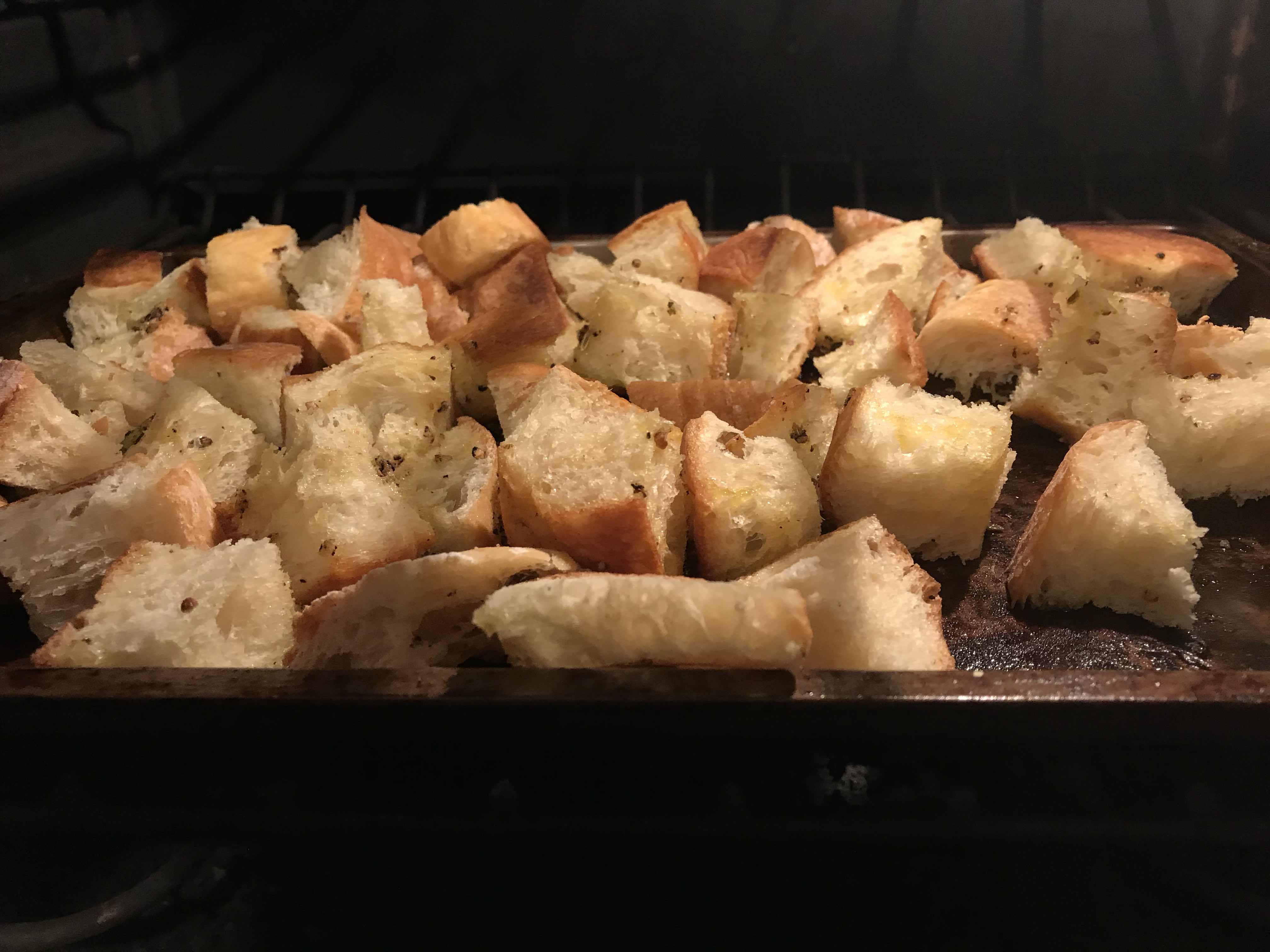
I also brought home a half dozen loaves of ciabatta bread. I like to cube it up and toss the cubes with a mix of olive oil, herbs, garlic, salt and pepper, and bake until they are crunchy croutons. Store in a ziplock bag in the fridge. 


 Not pictured here is a new experiment - plum shrub. A shrub is a fruit based concentrate, made of any fresh fruit macerated with sugar for a few days and then mixed with apple cider vinegar. That makes a storable concentrate that can be mixed with fresh water - still or sparkling - for a delightful refreshing non-alcoholic beverage. If you like, of course, you can also add a jigger of vodka or gin. My first attempt at a shrub is a half gallon of chopped Italian plums and a few springs of rosemary. I expect it will be delicious. 

I missed a lot of preserving season this year - for the very worthwhile reason that we were in Mexico with my husband’s family - but I am making up for list time. Mabon is upon us, almost, and I intend to embrace the motto of the season and be prepared. 

Besides, I love it. Putting up food is just about my favorite thing ever. 

Thursday, January 18, 2018

All Quiet on the Farm Front


It is the dark days. The quiet time, the resting time. The goats are pregnant - most but hopefully not all of them - and lie around munching their cud and avoiding the rain and the mud. The pigs spend their time rooting around in the mud, looking for a bit of beet or a squash or something they might have missed from breakfast. They are just growing, growing bigger and ever closer to their date with the butcher sometime in February. The chickens huddle up in the hayloft, laying their few winter eggs inaccessibly between the bales.

And we, the people, spend as little time out in the barnyard as possible, to tell the truth. It hasn't been awful, the weather, but it hasn't been nice, either. It's par for the course Pacific Northwest January weather - wet, windy, and grey. Nice weather for watching movies and reading books, not nice weather for trimming goat hooves or fixing fences. Not that those tasks can be put off forever, of course. Just until... just until... well, maybe next week.

Because of the gleaner's pantry, it is always preserving season around here. Lately we have been getting a ton of apples. Last week I brought home a dozen bags of assorted varieties of organic apples. First I made four quarts of applesauce, then I noticed that we already have an awful lot of applesauce that we aren't eating in the cupboard. So I broke out the dehydrator. It has five trays, and can hold about a dozen thinly sliced apples. Then it tales about six or eight hours to dry them the way I like them, so dry they are crispy. The dehydrator has been going for three days straight, and we have three gallon-sized ziplocks full of apple rings in the snack drawer. The kitchen smells great.

There's nothing much on the immediate horizon. The goats aren't due to give birth until late March. Holidays are over, no big celebrations coming up until Easter. My birthday is next week, but it isn't a landmark birthday (46) and I don't expect much of a to-do. Times like this I think I should take up knitting, or set up my studio again and try to get back into painting. Or maybe try again to journal every day. Or at the very least, do some ambitious cooking and baking.

We do have to eat some of the meat from the freezer to make room for the pork that will be coming in soon. Maybe it's time to have a party, and make a big old feast.

Tuesday, August 29, 2017

Preserving Log, 8/29/17


I haven't done as much preserving as I had hoped lately. This late summer season has been incredibly busy - partly for good reasons (family vacations to see once-in-a-lifetime celestial events), and partly for really sucky reasons (my dad has been extremely ill and I've flown to Arizona twice). Plus, this year Hope is entering high school and there are all sorts of orientations and meet-and-greets to attend.

All this means I haven't had time to get to the Gleaner's Pantry as much as I usually do, and therefore haven't had loads and loads of produce to can, totally aside from the question of time. However, I've done a bit here and there. Last week I made four cups of fig jam, and today I've canned three quarts of salsa.


Updated list:

1 Gallon dried apricots
3 gallons kosher dill pickles
1 gallon pickled green beans (lacto-fermented)
9 quarts apple-blackberry sauce
3 pints pickled beets
6 pints blackberry jam
4 cups rosemary-fig jam
11 quarts salsa ranchera

Cheesemaking doesn't count as preserving because we have to eat it fresh, but I've made some chèvre recently too. And soon we will be into apple season and I am planning to press a lot of cider. A new friend of mine lives nearby and has about twenty apple trees - enough that it makes sense to being the press to the apples rather than the apples to the press. We are going to make a day of it. And I think I will brew hard cider again this year, and that definitely counts as preserving.


Sunday, August 13, 2017

Preserving Log Update


Surely one of the very best smells in the world is that of a bubbling vat of apples, enriched with cloves, cinnamon, allspice, and sugar. Doesn't hurt to throw in a quart or so of freshly picked blackberries, either. 

Yesterday I went to a neighbor's house - a person who is becoming a very good friend - and took home two shopping bags full of transparent apples. If you, like my daughter, thinks a transparent apple is an apple you can see through, read and learn. Transparents are yellow apples that ripen early. They are specifically sauce apples, being good for not much else. They are too mushy to eat fresh, and too mushy to juice. But they make wonderful sauce. 

I had invited myself over to pick apples after noticing, as I was driving by, a transparent tree that was dropping it's apples already. I asked if I could come collect some and she said "Please!" Once there, i realized that she actually has a serious apple orchard - about twenty trees of many varieties, and most of them are positively loaded with (as yet unripe) apples. I suggested that I ought to lug over my apple press later in the season and we should devote a day to cidering. That idea was met with enthusiasm. 

Today was given over to making applesauce. Good thing I was recently gifted so many canning jars, or would have had to go buy a dozen quarts. A dozen quarts is what I ended up with - though I actually canned only nine of them, because that's as many as fits in my largest kettle. The other three are in the refrigerator. One will go back to my neighbor as thanks, and the other two we will eat quickly. 

I've made some jam recently too. So the preserving log update is as follows:

9 quarts apple-blackberry sauce
6 pints blackberry jam
1 gallon dried apricots


Friday, July 14, 2017

Preserving Journal


High Summer is upon us. Although I have yet to change the altar - it's still dressed with the kids' report cards and end-of-school paraphernalia - the preserving season has begun, and cannot be ignored.

This year, I've decided to try and keep an accurate record of all the preserving I do. So far, I had only posted one entry, and that consisted of:

Four quarts salsa ranchera
four pints pickled jalapeños
three pints pickled beets (all from a single beet bigger than baby's head)


Today I can add:

four MORE quarts salsa ranchera
three gallons kosher dills

for a running total of eight quarts salsa; 4 pints jalapeños; three pints beets; and three gallons dill pickles.

This is not counting cheese, since I still haven't figured out how to "preserve" cheese for longer than a few weeks. We either eat it fresh, or it molds.

Pickles make me happy. I love real lacto-fermentation, and I love real kosher dills. Last year, I made a ridiculous quantity of pickles; far more than we could eat, but luckily I found a neighbor who owns a dairy and cheesemaking operation who traded me pickles for cheese. Cheese that can, unlike my own, be stored and aged. Hopefully she is still interested in pickles this year, because three gallons of pickles is a lot.


Wednesday, June 7, 2017

Canning Log and Canning Jars


Finally, we seem to have caught up to the calendar. We've had weather hot enough to go to the lake and go swimming, and the first crops are just beginning to show up in local markets - snap peas, asparagus, rhubarb, spinach, radishes. On the farm we've been enjoying our very limited produce: rhubarb, nasturtiums, and tender herbs like chives and lemon balm. I did plant peas, but the vines are only about five inches tall and have not yet begun to flower. Raspberry canes are in flower, though, and there are lots of little green strawberries in the strawberry bed. Today I saw the first blossoms on the blackberry bushes.

I decided I will try to keep a preservation log on the blog this year. Every year, I post what I'm doing in the kitchen when I think about it, but this year I'd like to be a little more methodical about it. I'm going to concentrate on canning, even though that only accounts for about a third of the preservation I do (the other thirds being freezing and smoking or dehydrating). Canning is an event - I usually devote an entire day at a time to it, which makes it easy to document. Of coursed, I've canned a little bit of salsa here and there already this year, but I'm going to start the log with last Sunday.

I'd been to the Gleaner's pantry on Saturday, and I brought back enough produce to mandate a canning session. I made three separate products in one day, which makes me feel especially productive.

- Four quarts of salsa ranchera
- four tall quilted jelly jars of pickled jalapeño peppers
- three pints of pickled beets, all from one enormous beet the size of a baby's head.

I'm not sure if I mentioned that a friend brought me several boxes full of canning jars as a gift. They were helping a friend clean out their mother's house after she moved to assisted living, and the lady had quite a collection. Many of the jars are beautiful, unusual varieties. There are some blue-tinted jars, and some lovely bell-shaped quilted quart sized jars, and some of those neat old square sided jars.

Unfortunately, some of them are old enough to be non-standard, which renders them totally useless for canning. There's very little more annoying than going to all the work of canning a batch of, say, pepper jelly, and sterilizing a bunch of jars only to find at the critical moment that the jar openings are just a little bit off standard.  Sooner or later, I'm going to have to sit down with a standard size lid, a wide-mouth lid, and a big glass of wine and separate the sheep from the goats (so to speak).

Then I'll have to decide what to do with all the pretty but non-functional antiques. I'm a sentimental type, so I can't just recycle them. Maybe I can trade them for something - like more stuff to can!

Wednesday, November 16, 2016

Sprout Kraut


What do you do with too many Brussels Sprouts (courtesy of the gleaner's pantry)? I'm gonna try Sprout Kraut. 

Friday, September 16, 2016

Preserving a Peck of Peppers


The harvest season is winding to a close. Of course it's only September, and a good deal of produce is yet to come
- winter squash, more apples, more
pears, mushrooms. The harvest won't be over for quite some time. What I mean is that MY preserving season is winding down. 

I had a wonderful season this year; better, I think, than any in recent memory. I've been canning salsa in small batches all year - from Gleaner's produce - so I won't even count that. Real summer preserving this year involved making a ton of fermented pickles (the fridge is still full of jars); drying what felt like
hundreds of plums and pears; canning bread and butter pickles, dilly beans, pear sauce and applesauce; and even making wine and cider! 

Yesterday I did what I think will probably be my last canning of the year (not counting gleaner's salsa). I had a couple pounds of beautiful small green hot peppers. I'm not sure of the variety because I bought them from a farm stand, but they looked like green cayennes. Since I still have plenty of home canned jalapeños in vinegar, I decided to use these ones for pepper jelly. 

Not everybody likes pepper jelly - my husband for one thinks it is a bizarre substance, but I love it. Alas, I am just 
not very good at making jelly. There are still six - count em six - pints of straw berry syrup in the cabinet that was supposed to be strawberry jam. I don't know what I'm doing wrong, but my jelly often, well, fails to gel. 

This time it was sort of a half-success. It did gel, not very firmly but firm enough. It isn't syrup. And it tastes good. But I don't care for how it turned out aesthetically. It's kind of an ugly algae green color and most of the pepper bits sank to the bottom before it really gelled. It is still delicious on a cracker with chèvre, and I know we are capable of going through it, but I had hoped to send off little jars of pepper jelly as Christmas presents this year, and I don't think these are pretty enough. 

Oh well - another harvest that is still going on is the Salmon harvest. I haven't smoked any salmon yet this year. Last year I sent everybody smoked salmon for Christmas, and I didn't hear any complaints.