"United we bargain, divided we beg."
Showing posts with label pasture. Show all posts

Friday, April 22, 2022

Pasture Puzzle (All Flesh is Grass)


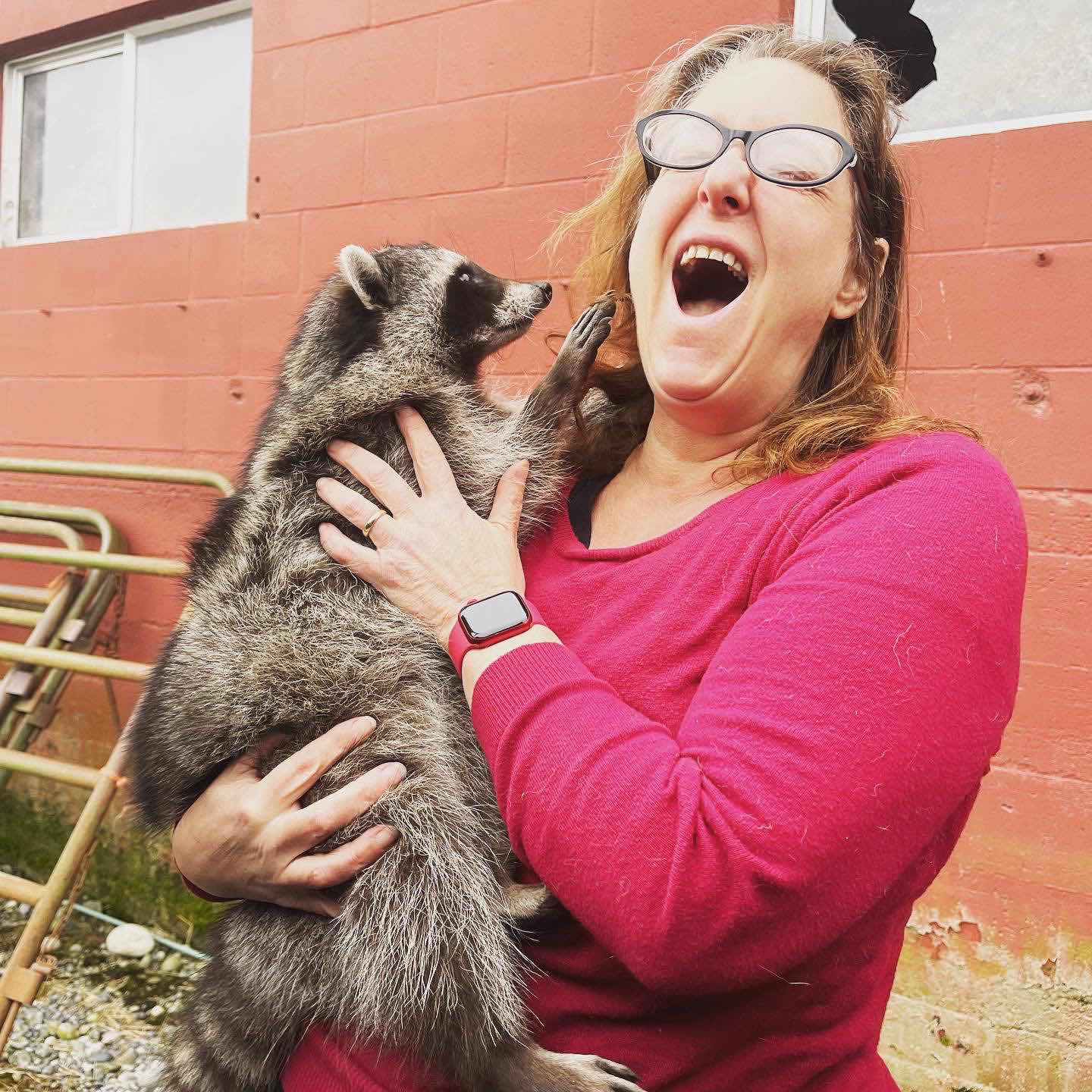
This year the grass has been slow to start growing. It’s been a very cold, wet spring. But finally, nearing the end of April, after months of mud, there is finally a decent amount of grass. Good thing too, because we’ve flat run out of hay. Actually we’ve run out of hay twice and gone for more, but as of yesterday we are out again. At one of the places we bought hay there was a tame raccoon and I got to hold her. Just putting that in there so I don’t forget THE BEST DAY OF MY LIFE. 


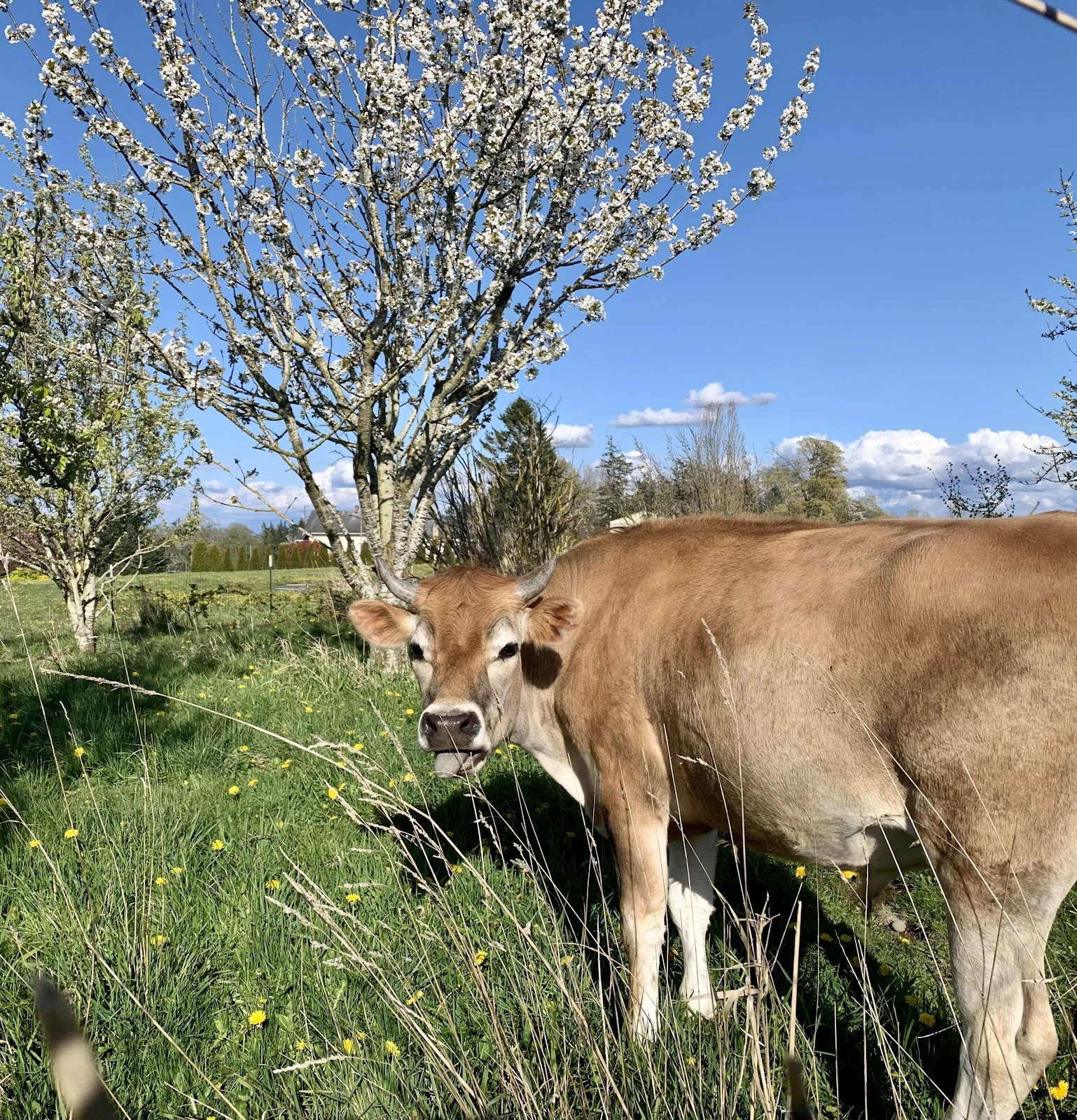
The goats are in the main pasture now, but the cow has been in the sacrifice area, because he is rambunctious and I worry he will injure the pregnant goats or the newborn babies. That’s why we had to get rid of Rowan’s cow, Nettles. Also I want to preserve grass for the goats. One dairy cow eats as much grass as six or seven goats, easily. 

We have three fenced pasture areas, but only the largest - which is about 60% of the total area -  has any real grass in it. The second largest one is about 100x100 and is our sacrifice area. The smallest simply isn’t large enough to have much grass, and moreover the grass doesn’t grow great in there because it is very wet. It’s more of a holding pen for keeping animals separate from each other when necessary. 

There is one other fenced area, and it has a ton of grass. That’s the orchard. Unfortunately we can’t put the goats in the orchard, because they are fully capable of killing the smaller trees in a day or two. I long for the day that the trees are big enough to withstand the caprice onslaught, but that day is still several years away. The cow may nibble on the trees, but cows aren’t browsers like goats are, so I’m hoping he will munch on the grass instead. 

Getting the cow INTO the orchard, however, was a problem. The cow has not been trained in any way, shape, or form, and when he gets out of the corral he goes mad with freedom and starts running about wildly and kicking up his heels. He’s very dangerous. Instead of attempting to lead the cow across the yard with a grain bucket, which might end up with a cow running around on the state highway, I decided to get some wire cutters and open up a gap between the sacrifice area and the orchard. 

Currently I am sitting on the lawn with a book, watching to make sure the cow doesn’t start trying to push over the trees or anything like that. The gap in the fence is closed with a bungi cord. I have a loaf of sliced bread next to me. If the trees are endangered, I can just undo the bingo cord and throw bread through the gap. The cow will chase the bread into the sacrifice area, and I can bingo the fence shut behind him. 

I hope this works, because we really have needed an extra area of grass for a long time now. A five acre farm is really quite small - all those silly books about homesteading on an acre? Yeah, chuck those books out the window. We have about three and a half acres of pasture and that is a bare minimum, even for dairy goats and it really isn’t sufficient for a cow PLUS dairy goats. 

It’s been frustrating to have a big fenced area of green grass we couldn’t use, and it’s very gratifying today to sit here listening to the cow tear up and chew all that green embodied sunlight. Come fall, it will all be meat. For, as the Bible tells us, “all flesh is grass.” 

I may have a slightly different understanding of those words than Isaiah intended. 
Sunday, July 19, 2020

High Cheese Season 2020 (Making Do)


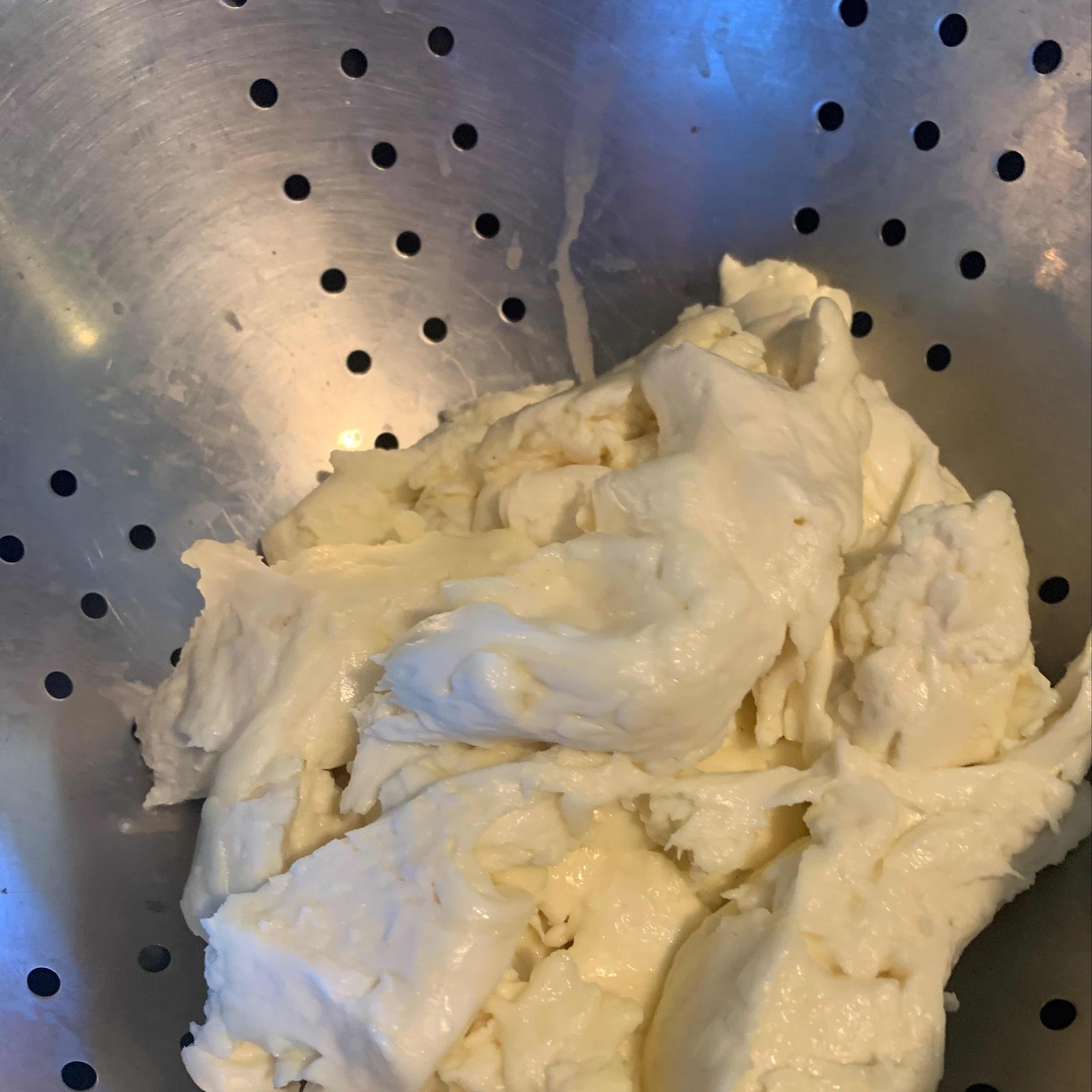
            A middle stage in the making of cheddar 


In last week’s post on preserving, I forgot to include cheese. Cheese is kind of the whole point of this farm - a desire to milk goats and learn how to make cheese was one of the driving forces in moving up here in the first place. After ten or so years, I have developed three or four cheese recipes that serve me well. As in many endeavors, it is pretty easy to achieve a basic level of competence, and then quite difficult to move on to a level of expertise that allows for consistent, high quality results every time. 

Being who I am, I have more or less decided that I’m happy with my level. I very seldom have an abject failure - all the cheese I make tastes good and is usable for one application or another. But I often have to decide what that application is AFTER I see how the cheese turns out. 

Today I am making chevre and cheddar. Chevre is easy - you just culture the fresh milk and wait 24 hours, then drain it through a clean pillowcase and salt it to taste. Once in a while, especially in very warm weather, the chevre will develop some off, goaty flavors that nobody is fond of. When that happens, I incorporate the cheese into a highly flavored recipe where the goaty flavors will be outcompeted,  like spicy eggplant Parmesan. 

Cheddar is more difficult. It requires several steps, and my recipes include instructions that are patently impossible to follow in a home kitchen, such as “hold the milk at exactly 99 degrees for four hours.” Much of the “cheddar” I’ve made is actually just “plain semi-hard cheese.” The most common defect is that it stays crumbly instead of melding into a single, smooth textured mass. But hey, goat cheese crumbles are a delicious addition to many dishes. Luckily, my Mexican husband is totally used to a dish of cheese crumbles on the table as a condiment, with a spoon, for sprinkling onto everything from refried beans to scrambled eggs to green salad. 

Making do with what you have is a philosophy, one that I’m fond of. I’m not going to waste any time lamenting over a “failure” to produce perfect cheddar when what I’ve actually produced is a pretty delicious piece of cheese. Instead, I’m going to incorporate that cheese into the larger, creative task of taking stock of what I have on hand and weaving disparate ingredients into something new and satisfying. 

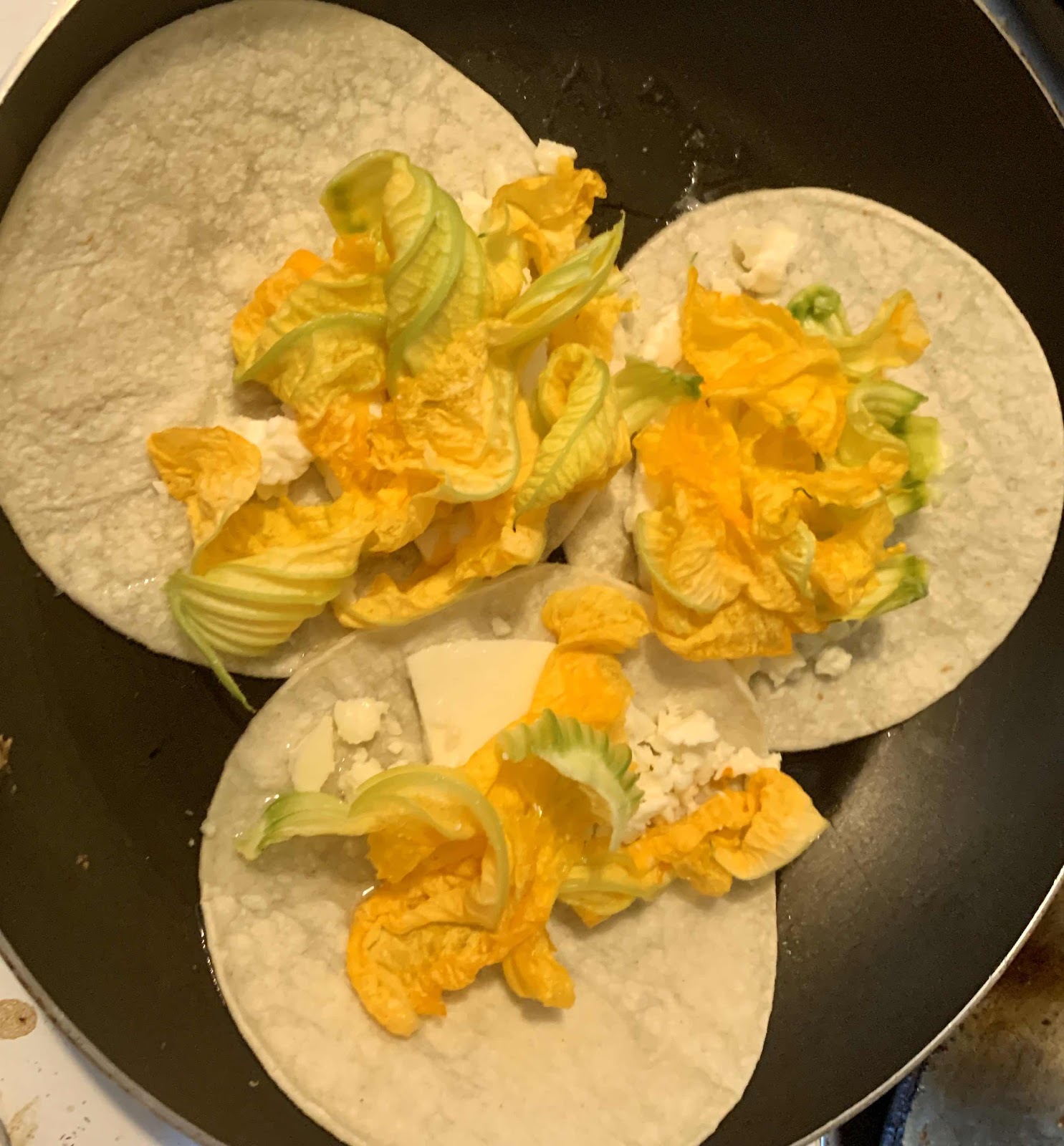
This morning, I opened a vacuum sealed package of cheese from early this spring, expecting to find a nice, mild, melting cheddar. Instead it was a sharp flavored crumbly cheese. But it still worked well to make squash blossom goat cheese quesadillas for breakfast. I got no complaints. 


Sunday, May 21, 2017

State of the Farm, Late Spring 2017


Nettles in the weeds

The long, horrible, wet "spring" of 2017 is finally giving way to some warmer and drier weather. I read in the paper that this past wet season (the period of time between October 1st and May 1st) has broken the all-time record for precipitation in western Washington - a record set just last year. Even with my week long break to Arizona, back at the beginning of April, I was going slowly crazy from sun deprivation and from the constant rain. I hate the mud, and still dealing with it in May has been dispiriting. 

More important than my mood, however, is that fact we haven't been able to get much work done around the place. Anything that needs dry weather - setting new fence posts in cement, planting trees, tilling the garden - has had to wait. Then when the weather is good, we all feel a sudden urgency to do everything at once. Luckily, I have found a new farm hand. He comes recommended by a neighbor farmer, and he lives very nearby. Although only 17, he has proved a hard worker and can handle a shovel with the best of them. Hereinafter referred to as "Farmboy." Today he planted three trees and made a temporary pen for the cow. 

The other day I walked the pasture and was disappointed with the state of it. In a normal year, the grass ought to be well over knee high by now. But what with the cool weather, the lack of lumens, and the number of animals on it, the back pasture's grass is only ankle height. This is despite the fact that I kept the cow and the pony in the sacrifice area for much longer than usual. We went through twice the normal amount of hay last year, due to that and due to the multiple prolonged cold spells and feet of snow. I have been moving the animals around, trying to maximize use of all the grass growing areas one the property. I bring the goats out into the front yard to graze anytime I am home and it isn't raining, but that's only half an hour here and there, and I don't think it takes much pressure off the pasture. The pony and the cow have been in the orchard for a couple of weeks, which was great until I noticed that the cow is eating the smaller trees. I didn't want to put the cow back into the main pasture with the goats both because of the grass situation and because she has become a terrible bully since her horns grew and she has actually injured one of my goats. Have I mentioned that I hate cows? 

There is one area where the grass is doing well - a boggy area about 60 x 200 feet behind the blackberries and adjacent to the small pasture. We have never made use of this area because it is wet, and also because there is a lot of debris and metal and concrete pieces in the ground left over from when the previous owners demolished their dairy barn. The grass growing there is lush, bright green, and shoulder height - but it is Canary grass. Canary grass is a non-native species that flourishes in our cool, wet climate. It has mixed reputation - most people (and certainly the noxious weed board) consider it an invasive nuisance that crowds out better forage species. Canary grass hay is the lowest, cheapest variety of hay, and lots of people won't use its at all. Other people, however, especially people with low,wet pastures, actually plant Canary grass on purpose. In general, the literature tends to say that it is tolerable forage, although most other species of pasture grass are preferable, and most animals will ignore it if better forage is available. 

Myself, I wouldn't buy any hay that had much Canary grass in it, no matter how cheap. I will, however, try to encourage my animals to eat it when it is abundant and other forage is not. To that end, I had Farmboy use T-posts and cattle panels to make an enclosure 32x32 feet. That will keep the cow busy for a few days and when she runs out we can just pound two more posts and move the cattle panels to close in another, similarly sized area. This will keep the cow fed and away from my goats. For a little while. 

The trees that Farmboy planted today were two lovely little Asian pear trees that Homero gave me for mother's day, and last year's Christmas tree, which has been sitting in it's pot on the porch since New Year's. I am not very fond of Asian pears for eating, myself, but both Homero and the girls love them, and I like them because they can be pressed for cider like apples (and unlike European pears). 

Other new developments: we bought six turkey chicks from a neighbor farmer, and Haku immediately killed two of them so now we have four turkey chicks. We also bought six golden sex-link pullets from another local farmer who said she just got over-enthusiastic at the farm store and realized, after raising them for a few weeks, that she didn't actually need thirty of them. It's nice to find pullets instead of chicks, that doesn't happen too often. Now we need to make repairs to the chicken coop. 

I'm not putting in a garden this year, expect for a handful of snap peas. It was too cold and wet to plant anything until last week, anyway. 

Overall, things are fairly copacetic around here. The baby goats are growing like weeds. I have plenty of milk and cheese season is in full swing. It's a gorgeous sunny afternoon and I think I will grab a book and go let the goats out.