"United we bargain, divided we beg."
Showing posts with label summer. Show all posts

Friday, August 19, 2022

Farm Stand Fun


One of the things I love about where I live is that, recent development notwithstanding, it is still rural enough that there are dozens of small, seasonal farm stands close to me. 

Many of my neighbors put out farm produce of one sort or another, or of various kinds, throughout the agricultural year.  It begins with eggs in the earliest spring (we have sold eggs ourselves) and progresses through vegetable starts, spring flower bouquets, early greens, right up to August, where we are now, with an absolute abundance of garden produce of all sorts. This particular moment is sweet corn, tomatoes, peppers, cucumbers, and of course, zucchini. Further along there will be apples and pears, pumpkins and gourds and dahlias. 

Some stands are no more than a hand lettered sign and a cooler. Most are some sort of cabinet or old wardrobe, with the goods portioned out into Tupperware or ziplocs, and a cash box of varying degrees of impregnability ranging from a child’s piggy bank to miniature bank vaults. These days, many farm stands accept Venmo or PayPal. The more professional stands will have a refrigerator and possibly an entire greenhouse. In addition to edible goods, some stands sell locally made soaps and lotions, or bric-a-brac, or second hand books. I have a bias towards the small, the ramshackle, the eccentric, and the obviously run by children. 

There’s a circuit I do when I want to see what’s up in my local farm stands. A couple of circuits, really - a small one that is a square about two miles on a side and includes five farm stands, and a longer route I do if I have more time or want to hit up some of the bigger stands. A little bit further will take me to a special stand I like that has dairy products - Jersey milk, yogurt, and cheese. It’s a really relaxing and enjoyable way to spend an hour or two - driving down my well-known country roads with the windows open and the smell of curing hay blowing in the window, discovering what my neighbors have been planting, what did well this year and what failed, maybe having a chat with a farmer if you happen to catch one replenishing the ziplocs. 

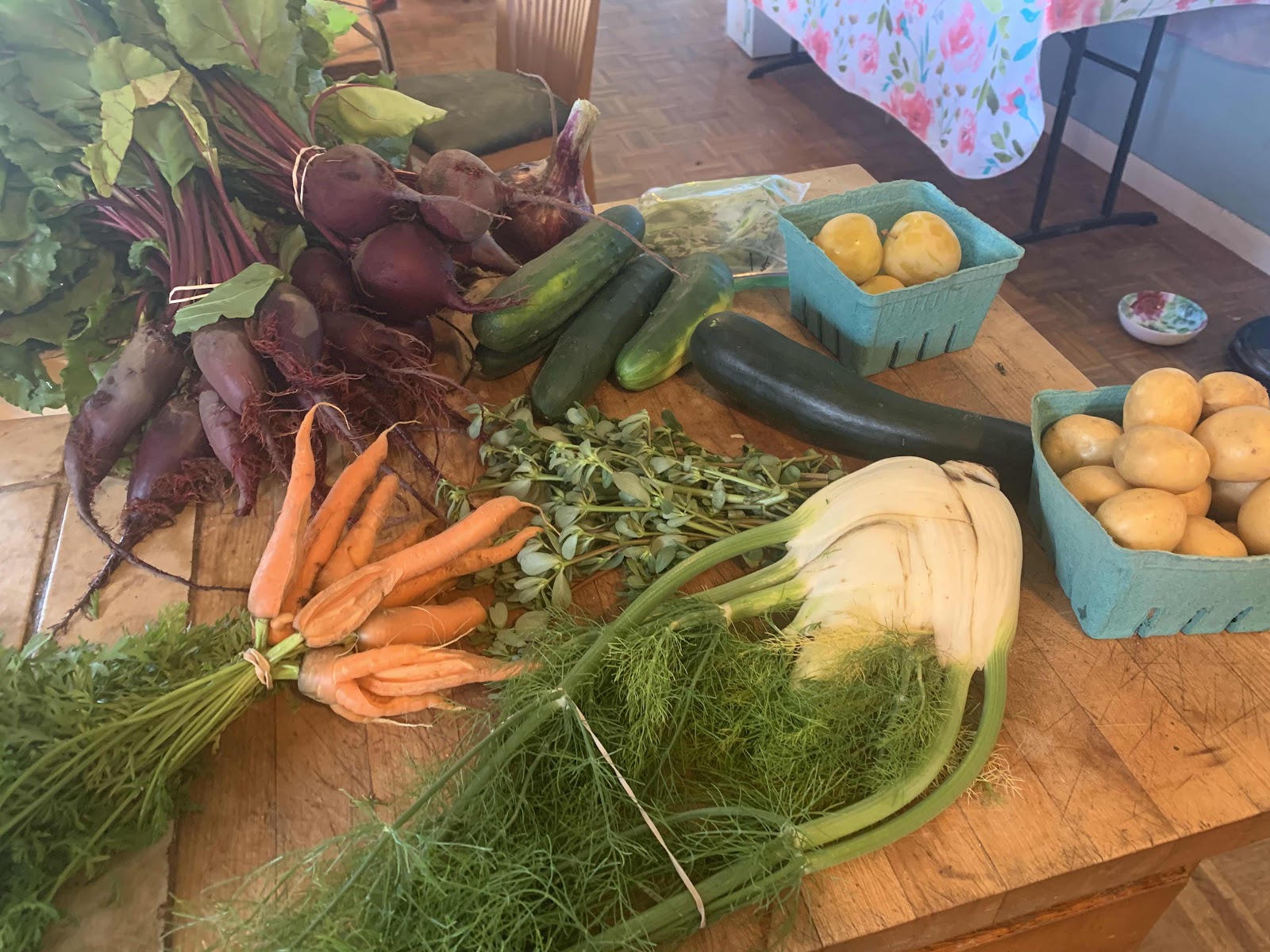
Yesterday’s haul was all from my small local circuit. Twenty dollars total got me everything you see above - new potatoes, Italian frying peppers, carrots, beets, fennel, cucumbers, plums, onions and purslane. Those three bunches of beets made six pints of pickled beets with enough left over for a beautiful roasted beet and goat cheese salad for dinner. 

There are only three of us at home these days, and it often happens that my eyes are bigger than all of our stomachs. 


Sunday, August 11, 2019

Sweet Corn and Sweet Memories


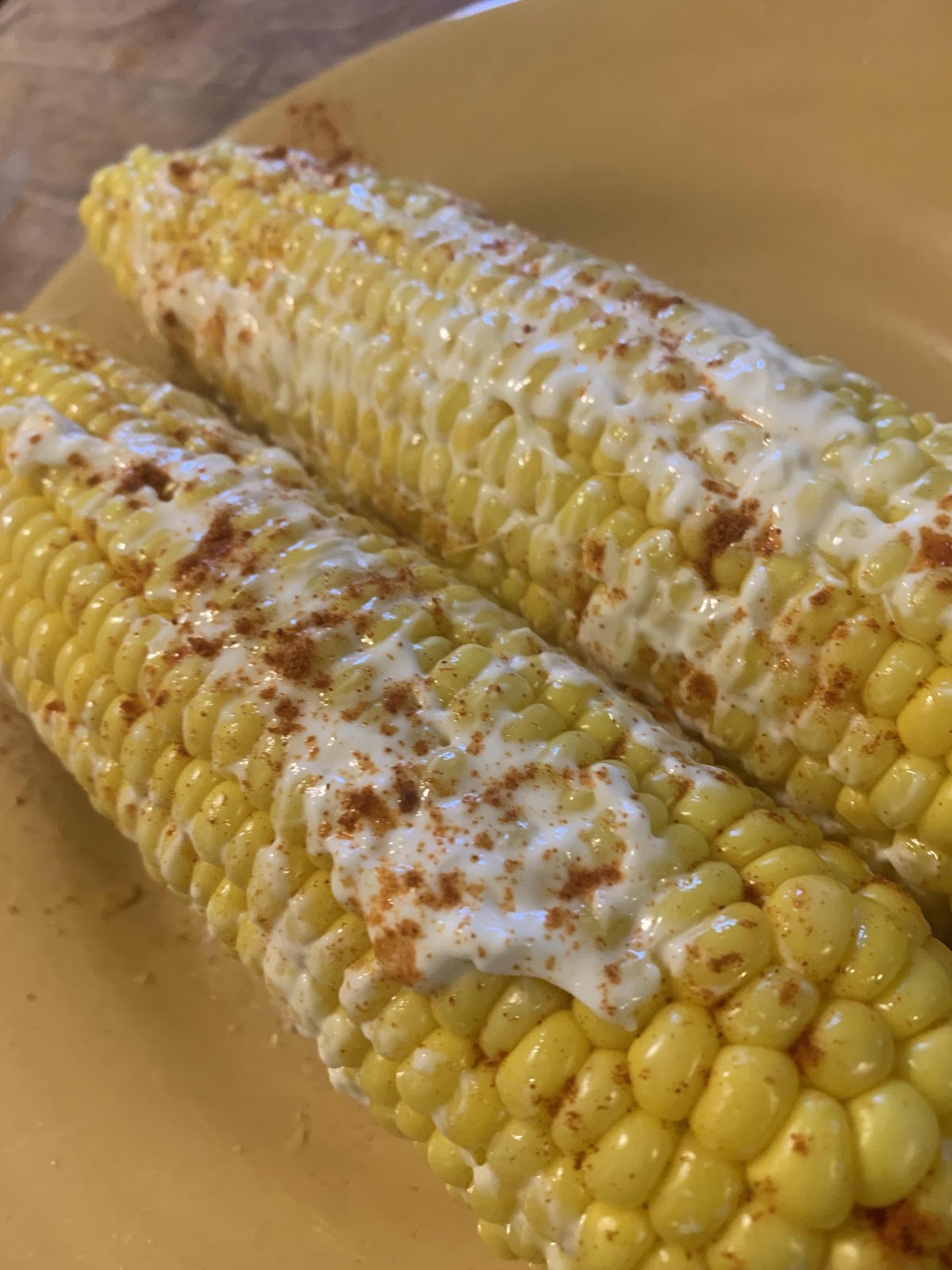
If you’ve never had sweet corn Mexican style, you really have to try it. When I was a child, we rolled our fresh boiled ears of sweet corn on top of a cold stick of butter, unwrapped and set on the table for that purpose. The hot corn melted a deep divot in the butter, making each subsequent ear easier to baptize. Then we sprinkled the ears with salt and went to town. 

There’s nothing wrong with that “recipe.”  I believe it was Garrison Kieller, in his wonderful memoir Lake Wobegon Days, who first asked the question “yeah, sex is great, but have you ever had fresh sweet corn straight from the field?” I will not go on record as to my preference, but I will affirm that fresh sweet corn bathed in butter and sprinkled with salt is one of life’s great pleasures. 

The kind of super-sweet hybrid corn we enjoy in the states  was more or less unknown in Mexico until very recently. Traditionally, all corn grown in Mexico for human consumption is what we know as “field corn” and generally used as animal feed. A little more scientifically, it’s known as “dent corn” for the little dents that develop in the center of each kernel as it dries. This is the corn that Mexican families grow, dry on the cob, twist the kernels off and store in buckets, and eventually turn into nixtamal and grind into masa to make the staple Mexican food, tortillas, all year round. There are literally hundreds of varieties - white, yellow, green, blue, red, black, and speckled. 

While most of the harvest is let to mature and will be used as described above, some of it is picked “tierno,” or “tender,” and eaten fresh. It is nowhere near as sweet as our hybrid corn, but it has a toothsome chew, and a satisfying heft that fills you up as sweet corn does not. It’s a complex carbohydrate, for sure. 

In Mexican Spanish, a fresh boiled ear of corn is called an Elote. It’s one of the most common street foods, served slathered with mayonnaise, squirted with fresh lime juice, sprinkled with chile powder, and rolled in grated cotija cheese. The same assemblage of flavors can be served in a cup, made up of the kernels of corn cut from the cob and then dressed with the same toppings. In this form it’s called Esquites, and it’s my absolute favorite Mexican street snack. 

One of my finest memories is sitting on a wrought iron bench in Oaxaca’s zocalo on a fine summer evening, eating esquites and watching dozens of well-dressed couples of a certain age dancing to the music of a marimba band. One of my greatest ambitions is to be one half of such a couple, on a fine summer evening a score of summers hence. And lord, I hope there will be esquites to revive me after I tire of dancing. 


Wednesday, August 7, 2019

Blackberry Blessings


Tuesday, July 30, 2019

The Fermentation Files (Pickle-Palooza)


I’ve been doing a lot of fermentation lately. There was the rhubarb wine this spring, which I bottled a few weeks ago (and sampled while I did, of course). I made a really amazing batch of curtido, which is basically sauerkraut with Latin flavors. That’s a little simplistic, but not wrong exactly. 

Curtido is heavily salted shredded cabbage with shredded carrots, thinly sliced red onions, oregano, and jalapeños (if you like). Traditionally it is barely fermented - just about the level of fermentation you’d expect if you made it the day before and then left it out unrefrigerated in a hot central-American climate. I made curtido but then packed it into a half gallon jar and pounded it as you do for sauerkraut. Two weeks later it was sour and delicious, the cabbage wilted but still crunchy. I just finished that batch yesterday, piled on top of black bean burgers slathered with mayonnaise. Delicious. 

A friend gave me a ten pound sack of organic red onions. I didn’t know how to use those up, so I asked in my Facebook group dedicated to fermentation if anyone had fermented red onions before. The response was enthusiastic, so I went ahead and tried it. I added several sliced Serrano peppers, because my goal was something as spicy and yummy as the pickled red onions you find as a condiment  on every southern Mexican table. I was very pleased with the result - but I thought the spicy pink brine was even better than the onions themselves. 

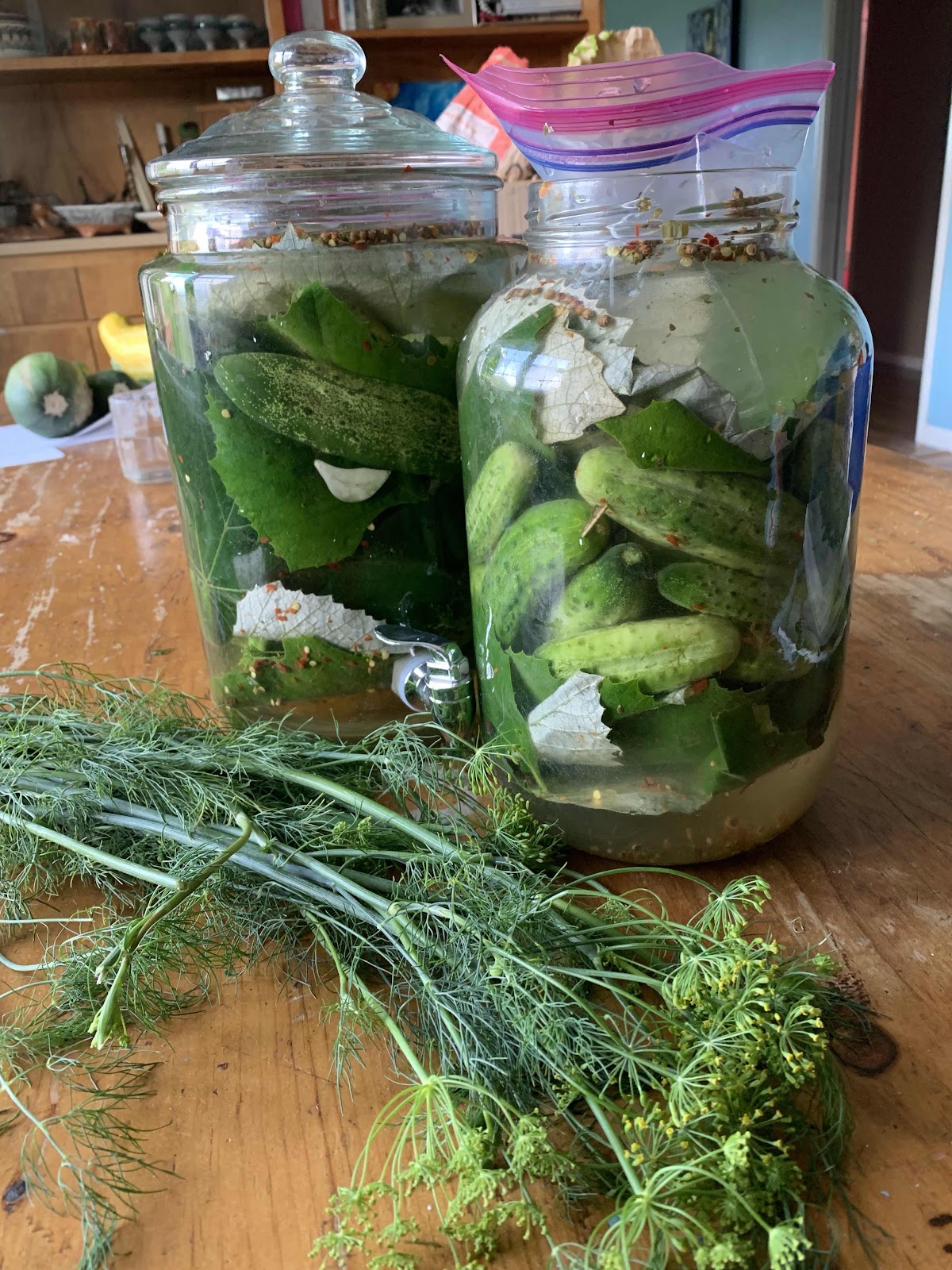
My favorite ferment will always be kosher dill pickles. Nothing is as satisfying as a salty, crunchy cucumber spear alongside a well made grilled cheese sandwich. We all love kosher dill pickles here, but even so I made too many last year. Too many being about five gallons. Eventually, they did all get consumed, but by November they were no longer as crisp and appetizing. Instead of eating them out of hand, I chopped them and put them into tuna salad or potato salad. 
This year I’m making two gallons. I imagine sometime in late September we will all be wishing I made more. 

And then of course there’s all the cheese I’ve been making... but that’s really another post. 

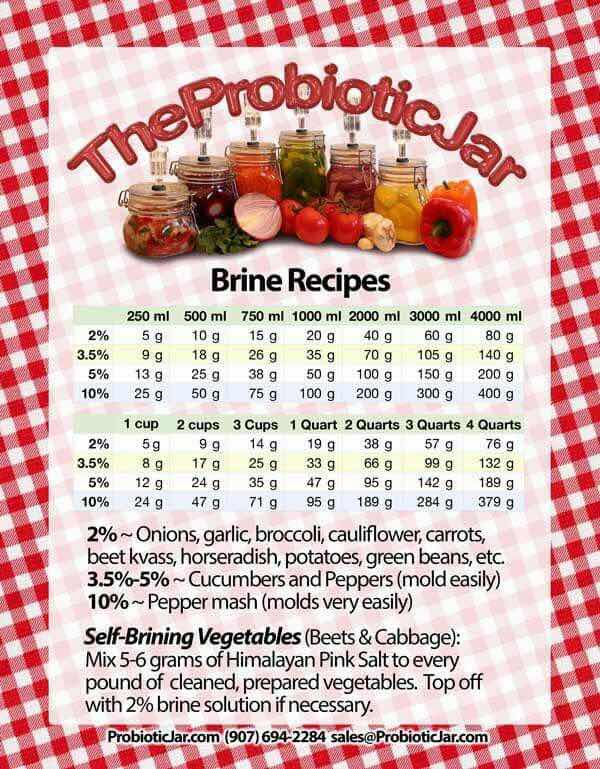
I encourage anyone who has ever been interested in lacto- fermenting to give it a go. It’s really entry-level food preservation. It’s low-risk and high reward. Here’s a neat chart I found in my Facebook group to help you get started. 


Saturday, September 1, 2018

Making Up for Lost Time (Mabon Again)


We arrived home late the night before last. Or perhaps more accurate to say, early yesterday morning. We finally opened the door to our home at about 1:30 am Friday morning, to a couple of very happy dogs. 

After sleeping in quite late, we set about cleaning the house (my daughter Rowan did a wonderful job taking care of the farm and keeping the place operational, but she apparently didn’t sweep the floor or scrub the toilet once in seven weeks). I had cleaned out the fridge before we left, so there wasn’t much food in the house. 

A quick reconnaissance of the orchard revealed that there is still a heck of a lot of fruit to cope with. The greengage plums are done for this year - though a neighbor friend picked a bunch and dehydrated some for us - but the Italian plums are still a week or so away from ripe, and the tree is loaded. 

Pears are falling all over the property. I think I may have mentioned that I have FOUR pear trees, which is a ridiculous number. The Bartletts are ripe, and the Comice pears are not far behind. The Seckels and whatever the fourth one is (I forget) have a ways to go. Today I picked up a few dozen fallen Bartlett pears that were still firm and  fragnrant and tomorrow I will haul the dehydrator out of storage and scrub it. The girls love dehydrated pears in their school lunches. School starts Tuesday. 

The cider apple tree is covered with apples. Cider season will be soon.  The other Apple trees, still quite young, have a few dozen apples apiece. And the Asian pears trees, planted two years ago, and a half have a few pears on them. 


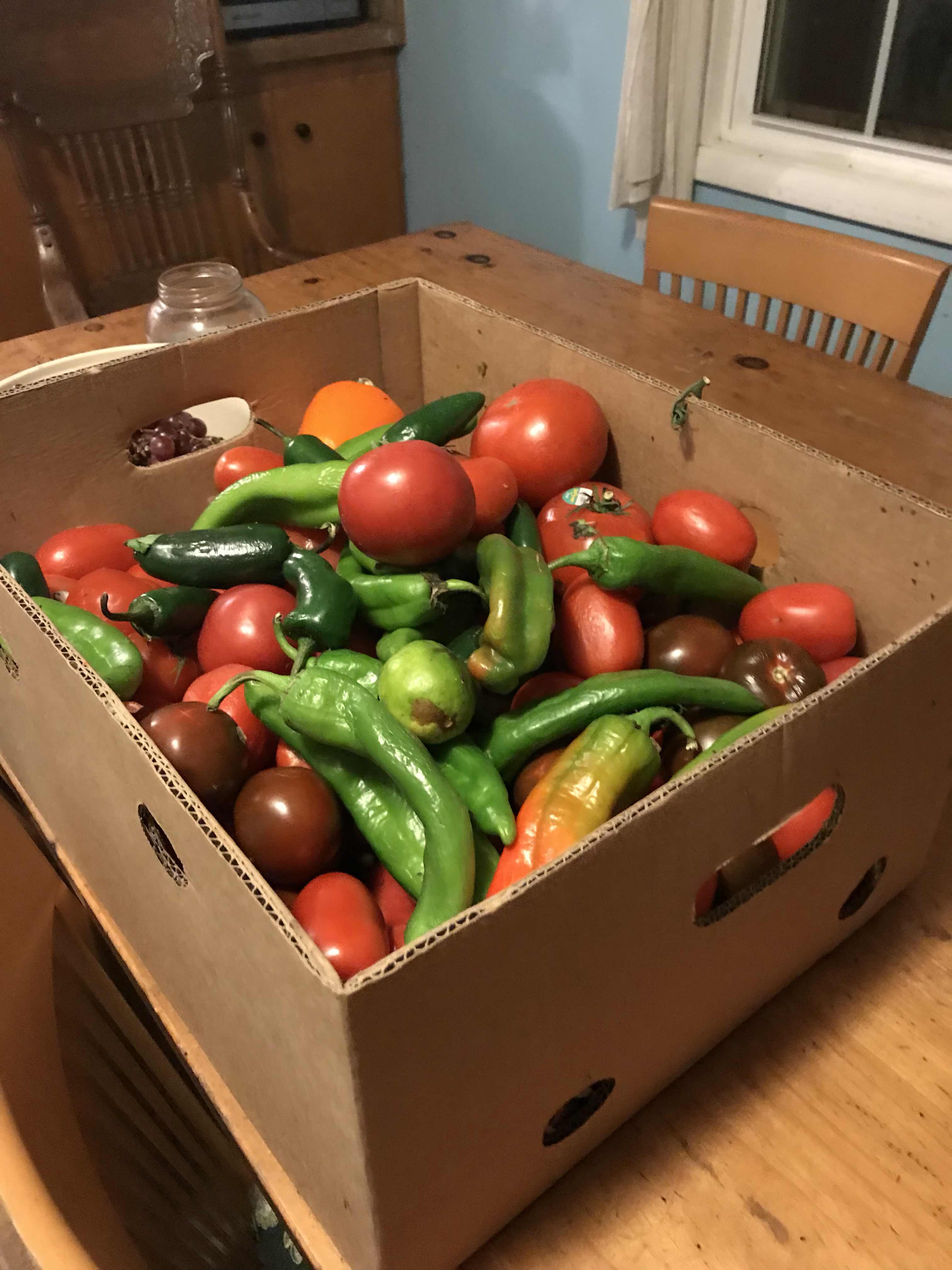
Today I went to Gleaners’s Pantry. Came home with the crate you see above - about twenty five pounds of tomatoes and peppers. Tomorrow I will can. I’m guessing there’s a good dozen quarts of salsa in that box. 

Tonight I spent a few hours making good use of other produce fromGleaner’s. Roasted hatch chiles, red onions, corn on the cob, and fresh tomatoes became this beautiful salsa: 


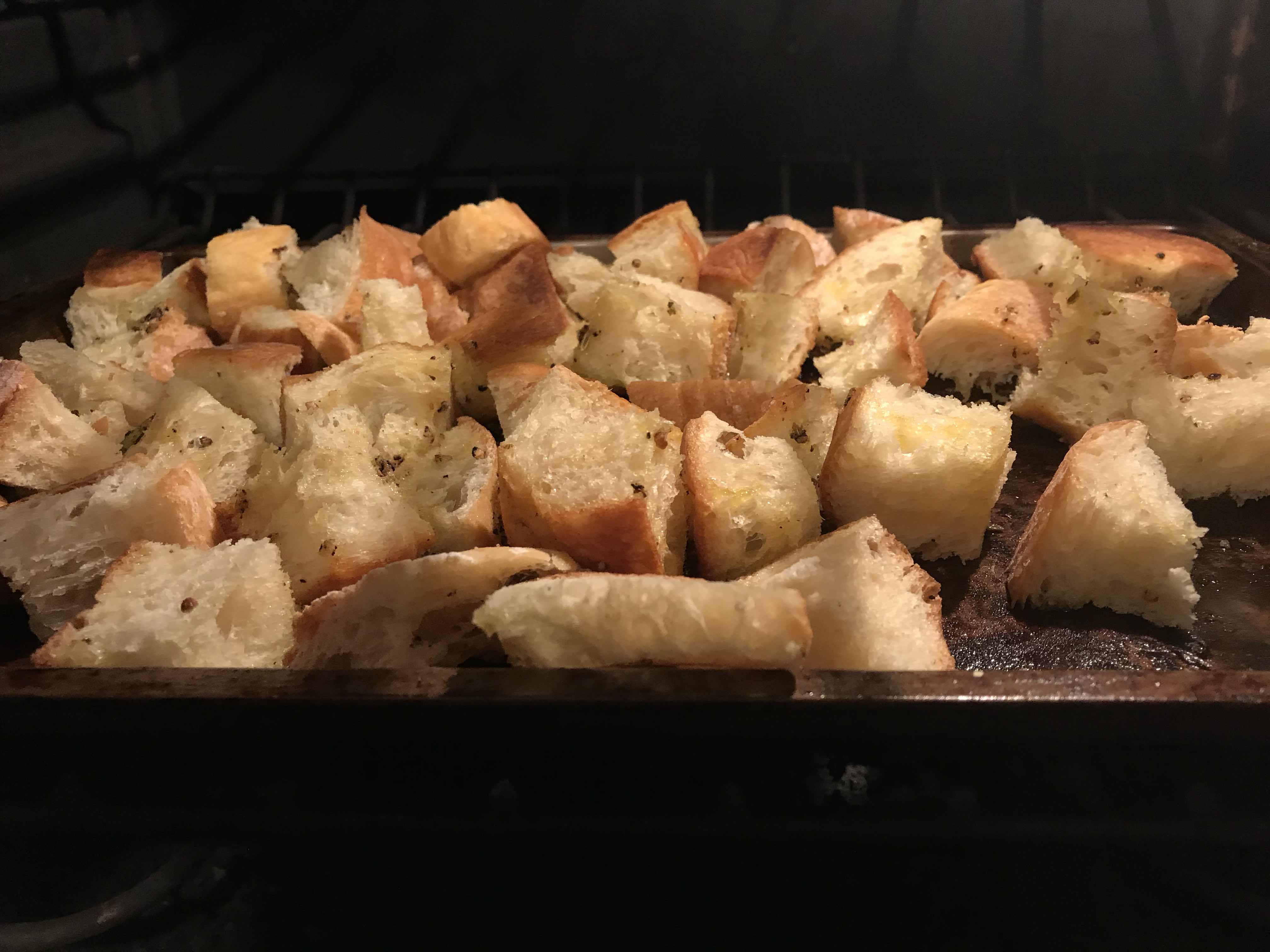
I also brought home a half dozen loaves of ciabatta bread. I like to cube it up and toss the cubes with a mix of olive oil, herbs, garlic, salt and pepper, and bake until they are crunchy croutons. Store in a ziplock bag in the fridge. 


 Not pictured here is a new experiment - plum shrub. A shrub is a fruit based concentrate, made of any fresh fruit macerated with sugar for a few days and then mixed with apple cider vinegar. That makes a storable concentrate that can be mixed with fresh water - still or sparkling - for a delightful refreshing non-alcoholic beverage. If you like, of course, you can also add a jigger of vodka or gin. My first attempt at a shrub is a half gallon of chopped Italian plums and a few springs of rosemary. I expect it will be delicious. 

I missed a lot of preserving season this year - for the very worthwhile reason that we were in Mexico with my husband’s family - but I am making up for list time. Mabon is upon us, almost, and I intend to embrace the motto of the season and be prepared. 

Besides, I love it. Putting up food is just about my favorite thing ever. 

Friday, July 13, 2018

Guelaguetza in Oaxaca


Of all Mexico’s thirty-some states, Oaxaca is the one with the most indigenous groups and the most indigenous languages surviving. There are at least sixteen distinct peoples with at least sixteen different living languages, with speakers numbering in the hundreds of thousands. 


As everywhere, indigenous culture and language is under threat from the tide of global monoculture, but more than in most places, Native culture is still vibrant here. And one of the main ways that Oaxacans show pride and maintain their indigenous heritage is through the Gueleguetza. 

http://www.theyucatantimes.com/2018/07/the-guelaguetza-one-of-the-most-important-annual-indigenous-cultural-events-in-mexico/

The entire month of July is given over to parades, music, dancing, and displays of craftsmanship. On any given evening, you can sit on a bench in the zócalo or on the stone steps of an ancient church along main pedestrian avenue downtown and listen to a choral group singing traditional songs, or watch ladies in gorgeous embroidered costumes twirl to the sound of drums and trumpets. 

Today, Paloma and I were wasting a few hours downtownnwhile Mamá was at her danzón class, and we ran smack into a calenda. That’s a parade of musicians and dancers attended by giant puppets and huge paper mache figures. 


The Guelaguetza culminates in two day-long performances by dancers and musicians from each of Oaxaca’s indigenous groups, at a beautiful amphitheater high on a hill above the city. People come from all over Mexico and indeed all over the world to see the pageantry and feel the pride. 

The work that goes into the Guelaguetza is mind boggling. All over the state, children take classes of baile folklórico; women weave and embroider and sew fantastic costumes; artisans create all the enormous and breathtaking accoutrements: fireworks, castles made of straw, fifteen foot tall dancing puppets. 

Yes, there’s an element of tourism. Yes, there are financial incentives. Of course there are. But the Guelaguetza, which is a word that literally means “cooperation” or “mutual support,” or even “an offering” is a tradition that is much older than the modern tourism industry in Oaxaca. Tribes have been gathering on el Cerro de Fortín for a summer festival of trade and celebration since colonial times. In its opulence and ostentation, the Guelaguetza has something in common with our more familiar Potlatch. 

But the concept of Guelaguetza is much deeper and much more embedded in Mexican indigenous culture than any one festival could be. It refers to those beautiful, complicated webs of mutual aid and obligation that are formalized through the compadre/comadre system. Whenever a baby is baptized in Mexico, or a couple is married, or a grandfather is buried - whenever any kind of rite is performed or celebration held - this web gets activated. 

Someone buys the baby’s christening gown. An offering. Someone pays for the engraved glasses that guests take home as souvenirs. An offering. Someone puts a bottle of mezcal on every table at the wedding reception. An offering. Someone brings the flowers to decorate the church for the quinceañera’s mass. 

And at the next christening or wedding or funeral, everything is shuffled and everyone reciprocates and somehow, all these offerings - even offerings of tacky plastic doodads and orange soda and tarps to cover the street in case of rain - somehow all these offerings add up to an extremely durable and flexible and beautiful system of mutual dependence and friendship. 

Guelaguetza. 


Wednesday, June 6, 2018

The Annual Opening of the Blackberry Blossoms


Thursday, August 10, 2017

Decisions, Decisions


My youngest child, Paloma, says she doesn't like blackberries. Sadly, i see no option but to disown her. 

Thursday, August 3, 2017

Berries and Smoke


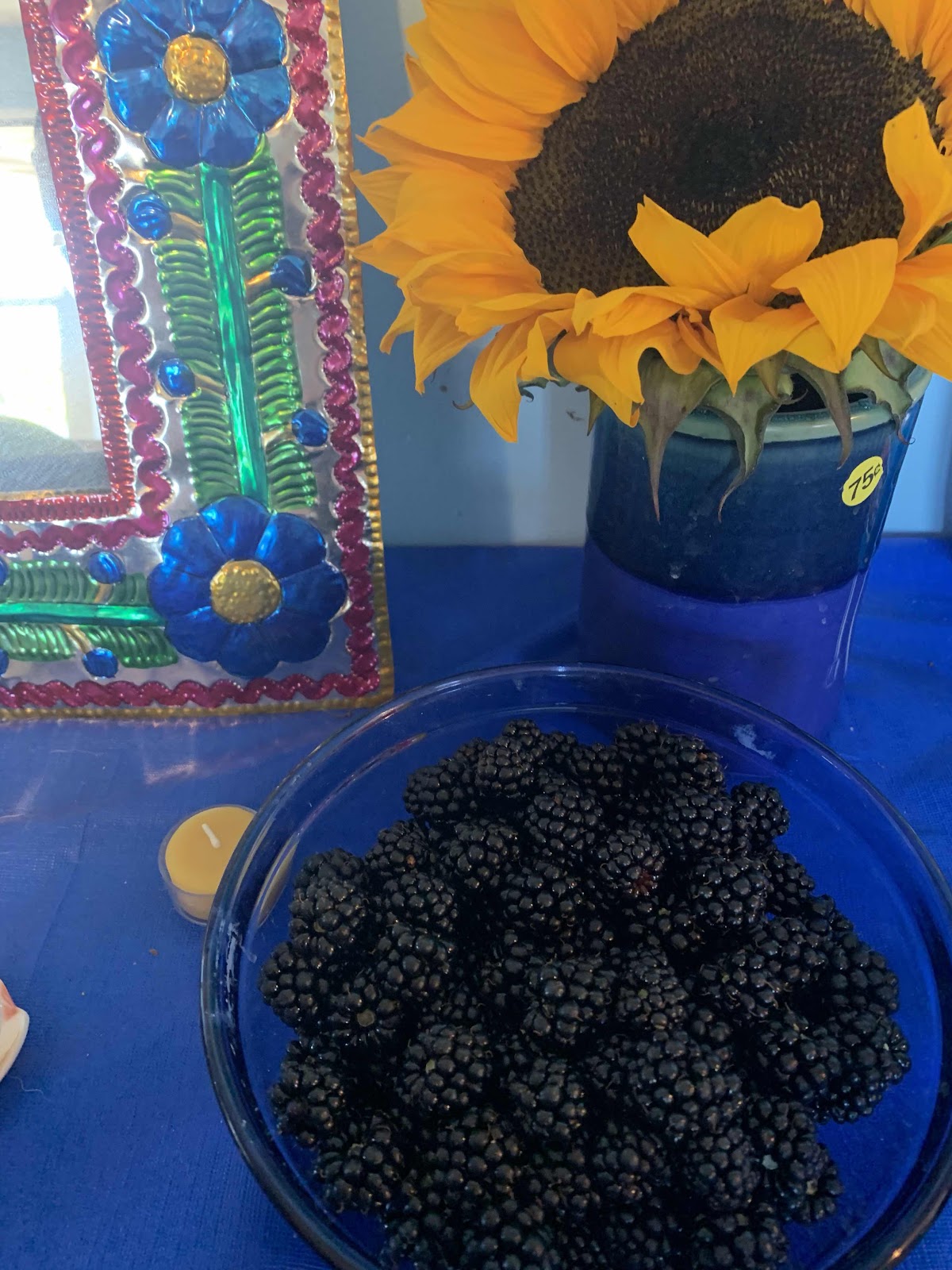
The first blackberries are ripe. I picked enough for a pie today, while I was grazing the goats, though I didn't make the pie. Tomorrow maybe. More likely I'll just whizz them up in the blender with some yogurt and call it breakfast. There's going to be a bumper crop, and if I can get my children to pick enough, I plan to make jam. Haven't made any jam in a few years, and blackberry jam is the best jam. School is starting soon, and we will need sandwiches. Peanut butter sandwiches are exponentially better when they have homemade blackberry jam on them. 

I was picking berries in a haze today. I refer not to my state of mind, but to the smoky air that has drifted in from big wildfires in B.C., across the border. Fires have been raging for weeks, and great swaths of the province have been evacuated. It seems that every summer brings more and larger forest fires than the year before. Two years ago (or was it three?) my mother lost her vacation home in the huge fires that raced across the Okanagon. The fires in B.C. this year are not yet as large or destructive as last year's. And right now there is even a fire burning in the moist hills around Bellingham, where fires have historically been rare. My sister's house is only a few miles from the edge of that fire. 

Myself, I've been freaked out about climate change for longer than anyone I know who isn't actually a climatologist. Maybe Al Gore. Ten years ago, my friends were raising their eyebrows at me and shaking their heads when I regaled them with information about rising seas and failing crops. It's no comfort to me that the general population seems to finally be catching up to me in their level of concern. I worry that it's pretty much too late. This is a case where "better late than never" doesn't really apply. 

Of all the many and varied consequences of climate change, I think the one likely to have the greatest impact in my lifetime and that if my children is the burning of the great northern forests. The past fifteen years or so, there has been a tremendous increase in not just the area of forest fires, but in their heat and destructiveness. 

Many species of trees, of course, evolved in concert with periodic fires, and some can only propagate after a fire. Not googling at this time of night, but some species of evergreens have cones that only open enough to release seeds after a fire. Recent fires, however, fueled by drought and higher temperatures, have been much hotter than those with which the trees evolved; hot enough to totally destroy trees that used to survive a scorching. Around the globe, vast areas of forest are being burned in ragged patches. It's my belief that the next fifty or so years will see the great global belts of taiga literally go up in smoke. 

Now I've thoroughly depressed myself. I can only comfort myself with the thought that from the ashes will certainly spring a host of blackberry vines. Out of the eater comes forth sweetness. 

Wednesday, August 24, 2016

The Fermentation Files (High Summer Edition)


My High Summer Altar

It is the highest point of high summer. The sun is strong and steady and the pastures are pure gold, without any hint of green from a distance. If you get right up close and part the tall golden stems, you will see the green clover underneath. My goats burrow in and eat the clover, along with those sturdy, wiry weeds that are still green at summer's height: plantain, burdock, false dandelion, thistle. 

The leaves have started to turn, so some people might call this short, beautiful season "earliest fall" but I'm sticking to Summer. As long as the weather makes you want to go jump in the nearest lake, it's summer. Lucky for me, I have my choice of lovely lakes nearby. Last week I took the children for a dip, and gave thanks for the blessed cool water. 

The harvest goes on unabated. Principally, pears. So many pears. A hail of pears. Almost a plague of pears, but I would never be so ungrateful. We have FOUR pear trees, which, I can assure you, is more pear trees than any one family needs. Alas, pears cannot, like apples, be made into cider, so either we have to eat them fresh or find other people who want pears and trade with them. I cannot possibly process so many pears myself. So far this year I have made eight quarts of pear sauce, a whole bunch of pies, and now dehydrated a dozen or so. That has not made a discernible dent in the number of pears covering my kitchen table. 


But canning is not the main way I am preserving food right now. I have a number of exciting fermentation projects going on. I have so many varied fermentation projects going on, in fact, that it sometimes feels like I have a collection of small pets in the kitchen. Each living cultivar needs its own special care. None of them are particularly demanding on their own, but caring for all of them does begin to add up. 

There is always sourdough, of course. I've had a good sourdough going for about a year now, since a neighbor gave me some of her family's dough that - so the story goes - dates back to Alaskan pioneer days. Its a good dough and makes nice bread and great pancakes, but I don't bake as much as I used to and I often find myself pouring sourdough in the trash just to make room in the jar. The sourdough is not very hard to maintain though - every three to five days I have to refresh it with a cup or so of flour and more water. If I forget and leave it in the fridge for two weeks, it's fine - just pour off the accumulated alcohol on top and refresh as usual. 

I brought back some new kefir grains from Oaxaca. My last kefir cultivar died ( Well, That Was Fast) before I could really even use it. These ones are a different kind of creature - small, separate grains each only a millimeter or so in diameter. My mother in law acquired them a few years ago locally and makes what she calls "yogurt" out them. She knows them as "bulgaros." The "yogurt" they make is extremely sour but has a very good flavor. I smuggled a tablespoon or so home in a spice jar. The kefir grains need a little more care than sourdough - every other day or so I have to strain off the kefir into a clean jar, wash the grains with water (my book says to use milk but mama has kept these puppies alive a long time so I'm doing what she tells me) and put them into fresh milk. 

I've made two batches of kosher dill pickles - each batch is about two gallons, because that's how big my crock is. I was lucky this year and both batches came out fabulous. Sometimes pickles just don't work - don't ask me why.  I make them the same every time but sometimes they get soft and slimy. That happened last year and I was sad. This year though, both batches turned out crisp and delicious. So good, I even drank some of the brine straight, in little sips out of a shot glass. So good, I saved back a little of the brine to use to get my sauerkraut started. 

As you can see, I used purple cabbage this year. My neighbor of the HSH  (hotel-sized-house) gave me three beautiful purple cabbages. I chopped them finely, and packed them into the same crock I'd used for the pickles, saving the dill and the grape leaves. I left about an inch of pickle brine in the bottom, then covered the cabbage with a new salt brine. 

Today, after approximately ten days in brine, I emptied the crock and rinsed the cabbage and repacked it into quart sized jars in the fridge. I could, if I chose, water-bath can it at this point. But I don't think I will. I am really enjoying the live, complex flavors of all different ferments. Canning the kraut would preserve it, yes, but it would also kill it. Since there isn't a ton of it, just three cabbages worth, I'm sure we can get through it before it goes bad in the fridge. 

And I'm trying something new this year. My Italian Plum tree has decided to produce enough plums to sink a battleship. So many plums that branches are literally breaking from the weight. So many plums that I thought - well, I can experiment. It doesn't really matter if I devote a bucket of plums to an experiment that doesn't pan out - it's not like we are going to miss them. We are all, in fact, mortally sick of plums, so if my experiment ends up in the compost, I'm kind of sort of doing everybody a favor, right? 

Plum wine. Yesterday evening, I sat out on the lawn with a knife and a clean plastic bucket and a pile of plums, and pitted plums as I watched my daughters doing cartwheels in the setting sun. The bucket slowly filled up and their long legs flashed, upside-down in the slanting afternoon light. The scent of ripe plums - their purple sweetness - rose up into my nostrils. Haku lay panting at my feet and my husband sat a few feet away, reading quietly. When I had a bucketful, I carried them into the house and covered them with sugar water. 

Most likely, my plum wine will not be objectively delicious. But if, when I drink it, it reminds me of that hot August afternoon with my family; if it brings me back to my hands, working, and my back, aching gently, and my daughters calling "watch this, mom!" and my husband glancing over at me with a smile on his face, then it will be a success. 


Friday, August 5, 2016

Homecoming Harvest


We had a bit of difficulty getting home
from Oaxaca. Without going into details, we got home 48 hours later than we thought we would; paid more than a thousand dollars more than we thought we would have to; and had to take a seven hour bus ride to Mexico City instead of flying from Oaxaca, as we had planned. 

None of that matters, in the grand scheme of things. We are home - whole, hale, and hearty. We had a wonderful trip (recap to follow, with pictures). The farm, under Rowan's care, has flourished in our absence. 

I was sorry to have missed so much of harvest season. All the berries were early this year and the strawberries and raspberries came and went while we were gone. I got anxious as I saw my friends' Facebook posts of blueberries and even blackberries while I was still
thousands of miles away. 

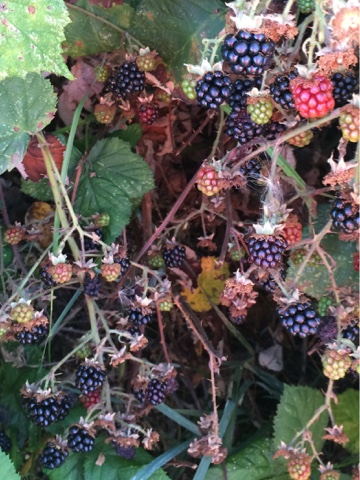
Today I found out that there is plenty of harvest season left. As you can see above, the blackberries are in full swing but there are plenty of green ones left and there will be blackberries for weeks yet. 

The blueberry harvest is not over yet, either. My favorite local no-spray blueberry farm had many plants loaded with berries still, although some had begun to dry on the bush. It only took me twenty minutes to pick about 4 pounds. Sometime this weekend I'll be bringing the kids out to pick more.


Walking the orchard brought some delightful surprises. Some trees that had never yet borne fruit are bearing. Chiefly - the hazelnut. I don't know if this is due to the two new tiny hazels I planted this spring for improved fertilization or if the bush simply needed more time. In years past, it flowered but never developed nuts. This year there are hundreds of nuts all of a sudden. I need to read up on when to harvest them and how to cure them. 

Another tree, which I had pretty much given up on, surprised me: the greengage plum. We have two plum trees - an Italian plum and a greengage plum. The Italian plum has been providing us with a good harvest for several years, but the greengage plum had not set a single fruit, despite growing tall and flowering. For whatever unknown reason, it decided that this was the year it was going to fruit. The plums are just ripe - and delicious. The greengage plum is a heritage fruit that many of us remember, but which you almost never find in the grocery store. I'm so happy ours has decided to bloom.

All the pear trees look pretty loaded (we have four - too many), but one in particular is so weighed down with hundreds of enormous pears that the tips of the branches are actually resting on the ground. I think it is the Comice pear - my favorite. They haven't started to fall yet, so I'll leave them be until they do. 


Our first day back happened to be a Friday, which is farmer's market day in Ferndale. Overly ambitious, perhaps, I bought enough green beans for canning and several pounds of pickling cucumbers and dill to start a crock of lacto-fermented pickles. 

I've already got the pickles going in a big glass container on the kitchen counter but the green beans will have to wait until I buy some new canning jars - tomorrow. I swear. 

Wednesday, August 19, 2015

High Tide of August (Fair and Food)

view from the top of the ferris wheel


Tuesday I took the kids to the fair. All the usual fun was had... visiting friends who are exhibiting animals; watching the chariot races, with their pretty, shiny shetland ponies; ice cream and greasy fried zucchini; sunburn and heatstroke. This year as in the past few, the temperatures have been absolutely cruel during fair week. 

This time around, I actually sprung for those ridiculously expensive bracelets that let the kids ride all the rides they want, and so we stayed as long as we could so they could take full advantage, and so that I could spend as much time as I liked lingering over the quilts and the green beans. For the first time, my girls are old enough to let them roam around on their own, as long as they have a phone with them. I met say, I enjoyed fair quite a bit more than usual without two little girls hanging off me every second, moaning "how much LONGER are you going to STAY here looking at WOOL?"

my feet, about 6 pm

We ended up spending something over 8 hours at the fair. My fitbit is broken, but I'd guess I covered 6 or 7 miles, easily. At the end of the day my poor feet were killing me. In fact, even now, most of a day later, I still feel like I've been beaten with a stick. Hope was invited to fair again today, with a school friend's family. I didn't think she'd be interested, but she was. So she is off getting sunburned all over again. I am at home alone, doing a much needed food preservation day. 


My sister-in-law has been visiting, and she has boundless energy and motivation. If not for her going out and picking a gallon of blackberries, I would never have made all this blackberry jam. It came out very well this time around. Eight half-pints, of which Temy will probably take four home with her. I only had eight jam jars, but there was enough jam to fill another quart sized jar which is in the fridge and will be consumed quickly. In addition to the jam, we have about 8 quart-sized ziplocs of blackberries in the freezer. 

Milk season is winding down. We are getting only about a half-gallon of milk a day now, but that is still quite a bit. Today I am making chèvre. Some of it will be traded to a neighbor for a dozen bales of hay that her horses won't eat. My ponies will. 

Also today, I am dehydrating Italian plums. A different neighbor has a surplus of plum trees; I have a surplus of pears. She came over last week and carried off a bushel or so of Bartletts, and then a few days ago we went over there and took home a cardboard box full of plums. I don't need any more jam, but school is starting soon and dried fruit is a school-lunch staple. A couple of dried plums, a peanut butter-and-blackberry jam sandwich, and maybe a hunk of goat cheese, a few cherry tomatoes? Sounds like a good lunch to me. 

Speaking of tomatoes. My next door neighbor (the HSH, or he of the Hotel-Sized-House) is out of town and his wife asked me to please come over an harvest some veggies from his enormous garden. "He's really into that," she said, waving her hand in a slightly dismissive manner, "but I'm not, so much." Into it he certainly is: he has a garden that could provide for a troop of hungry boyscouts. I really ought to go over there and see about tomatoes. 

There is also a gigantic bag of slightly over mature green beans in the refrigerator. I haven't even decided what to do with them. Maybe I'll think of something as I am pitting plums. 


Sunday, June 28, 2015

Heat Wave (Here and There)

The last week has seen temperatures in the high 80's, near 90, every day. The skies have been bright and clear. As close as I live to the Canadian border, I often listen to Canadian Public Radio, since it comes in better than NPR. Thanks to them, I know a new term: UV index. This is a number which calculates - basically - how quickly you will burn if you are dumb enough to stand out in the glaring noonday sun without sunscreen on. I am often that dumb. I must be either a mad dog or an Englishman. This past week, the UV index has been - well, high. I can't pretend I understand (or even remember) the actual numbers, but true nice Canadian weather lady said it was very high.

Accordingly, we have spent the last couple of days at the lake, splashing about in the cool water and exposing our tender flesh to the unmitigated rays of the sun like frigging idiots. No; actually our local park is delightful and among its amenities are several mature maple trees that provide ample shade, even on these hottest days when everybody is spending time at the beach at once. The water, so far, has remained cool and clear.

But there's only so much time you can spend at the park. Alas, we still have to sleep at home. Newer houses in our area may have central air - some of them - but for the most part air conditioning is still regarded as a silly luxury in my part of the world, and certainly no 60 year old farmhouse is going to have it. We have a couple of oscillating fans from Walgreens in our bedroom, but they aren't much good.

Last night the thermostat told me that the air temperature inside my house was 82 degrees. I slept with a wet towel slung over my back. I know those of you who live in most other arts of the country are laughing at me, just as you do when I complain about the freezing 20 degree temperatures in January, but there's no need - tomorrow I am bound for the hottest hellhole in North America.

Tucson.

My Dad lives in Tucson (because he is CRAZY) and I have to visit him for 9 days. In July. Don't ask why - the timing is not up to me. I have TOLD my dad and TOLD my dad to please not schedule any health crises for the summer m months, but the stubborn old bastard just won't listen. The temperatures in the Tucson region hover in the mid 110's for three months straight.

My only hope is that by the time we return home, the weather will have turned here at home.

Monday, June 22, 2015

Tidbits and Fruit Update


Beautiful evening out with the goats. They are all (all four of them - the fewest number of goats I've had in years) looking fat and sassy. I'm trying to decide whether to keep the same buck for this coming year or not. Advantages - he's proven, impregnated two of my ladies last year with pretty, spotty babies, and he's healthy, and free. Disadvantages - Iris doesn't like him, didn't let him breed her last year. Also, if I don't separate him (or get rid of him) he will impregnate the does in late summer and I will have babies too early again. If I don't use him, I'll have to find another buck and pay for him.

The cherries are ripening. As usual, the birds are striking the cherries just before they are ripe enough for us. Long term, we have to figure that out. Short term, we are enjoying semi-ripe cherries and looking forward to ripe cherries with a few bird strike scars. Also the neighbors pie cherries are getting ripe, hanging over the fence, and I need to harvest those and make a quart or so of cherry-and-mint infused vodka. Just add club soda and you have what we have named a Cherry Mindy.

Earliest year on record for berries. I took the girls out to pick raspberries today. Unheard of. Strawberries are already done, everywhere. Zion holds its yearly Strawberry Social June 28th (I WILL win the quilt raffle this year, I WILL) but they will have to use frozen strawberries for the sundaes and shortcake. As I was driving around the county today I even saw blueberries ripe on the bushes. Blueberry season usually starts in August. The blackberries are still in blossom, barely. Mostly the bushes are covered with hard tiny green fruit.

Looks like it will be a decent year for pears, but for some reason the Italian Prune hasn't set a single plum. Not one. Last year was a good harvest, and it is one of those trees that usually alternates a heavy year with a light year, but NO fruit seems weird to me. Oh well, here's hoping some of my neighbors will have extra.

I'm headed out of town next week to care for my dad in Tucson. Tucson in July is a trial; it's been over 110 degrees for over a week now. At least he has a pool. By the time I get back, it will be full on harvest season, and I will be consumed with canning for a month or so. I've made a fateful decision, this year, that I can no longer buy tomatoes from Mexico (an upcoming post will detail why- for now, one word will suffice: SLAVERY) and so instead I will be seeking out a shit-ton of local tomatoes to can. I expect the Gleaner's Pantry to help me with that.

The solstice was yesterday. The longest, prettiest days of the year are here. These few short weeks are why I put up with months of mud and freezing rain. I am enjoying them to the fullest extant.


Wednesday, June 10, 2015

State of the Farm Summer Solstice (Drought 2015)

There are still almost two weeks until solstice, but with the weather we've been having, it feels very much like summer. In fact, it feels like midsummer - late July or even early August. It is as though the calendar were turned ahead a month.

The blackberry blossoms opened two weeks ago; now they are nearing the end of bloom time and there are hard little green berries on the terminal buds. White clover is in full bloom, and a few red clover blossoms are opening here and there. Full-summer flowers like oxeye daisy, lupine, and tansy are starting to bloom.


Record breaking heat - high eighties - for several days in a row has brought on the berries early. Strawberry season is in full swing and the commercial raspberries will open for U-pick in another week or so. Lack of rain combined with high temperatures has made the berries smaller than usual, but with an unusually concentrated sweetness.

Drought is a major concern this year - the winter was much warmer than usual and snowpack in the north cascades is one-third normal or less. When I look across the valley to the north at the Canadian Cascades, I see deep blue peaks with only flecks of white here and there - which is how the mountains typically look in September. The grass is already starting to dry up, and all of the neighbors are haying. This year I saw people haying in May, which I have never seen before.
We have only bought one truckload so far - 25 bales - but I would like to buy more than usual at early-season prices because I think we will be feeding hay very early this year as the grass disappears.


Though there will be fewer animals to feed over the winter this year. The cow is nearing the end of days. We will be scheduling a butcher date for early fall. I think she is about as big as she is going to get. We have started feeding her alfalfa pellets and bread from there Gleaner's Pantry in hopes of fattening hear up a bit more. I am frankly shocked at how much grass one stunted dairy calf can eat. The big pasture looks terribly skimpy, because the cow has been vacuuming up all the grass all by herself. In years past, I have had the same number of goats plus two ponies on this pasture and it was more lush. This year, the ponies have stayed in the sacrifice area and we stake them out to graze in the front yard. As far as I can tell, one dairy cow equals two ponies and then some. I only hope she tastes good. People who know have told me that Jerseys make good eating, but not to be alarmed at the yellow fat. 


Today I boosted Paloma up into the hayloft to look for eggs. She found a nest with twenty-two eggs in it. We floated them in the stock tank and they all sank, so it's time to make some quiches and freeze them. And egg salad for sandwiches for the last week of school lunches. And maybe some goat-milk ice cream for these hot days. 

Ordinarily, I don't put Demeter on the alter until midsummer (Lammas), but the grass heads are turning golden and my shoulders are all sunburnt and the tomatoes are in flower and the roses are in bloom. It seemed churlish to stick to an artificial calendar rather than honor the actual fact of the season which has clearly arrived. And it may be a brief season this year, so there's no sense in wasting time. Welcome, generous lady! Welcome, abundance! Welcome, Summer!


Thursday, August 21, 2014

Harvest Time (Buckets Of Spuds)


Yesterday I harvested all the rest of the chiles off my cayenne plants. There were a few green ones hanging on, but most of them were fully dried on the plants. It was the best year for chiles I've ever had - I don't know if that's because I only planted cayennes and cayennes do well, or if there is some other mysterious reason, but in either case I think I am well fixed for heat. 


This picture of a bucket of spuds came off the internet, because I don't have my camera handy, but the bucket of spuds just outside my door looks pretty much the same. I have white potatoes and russets as well as redskins. It's funny - I planted a lot of potatoes this year, but then I totally ignored them and didn't weed at all. The potato patch looks like a jungle of thistles, amaranth, dock, and chicory. The potato plants themselves died back some time ago, and I sadly figured there would be no potatoes under there. 

Today, however, a friend asked me to bring her some lamb's quarter to plant in her garden for her rabbits. I told her to reconsider, I said it was a plague on my land and she'd olive to regret it, but she wants some anyway. So I went out to the potato patch and shoveled up a plant. Along with the lamb's quarter came three or four big, healthy potatoes. 

In the next five minutes, I uncovered a three gallon bucket full of potatoes. I decided I ad better stop. I don't want my lovely, unexpected potato crop to go all wrinkly and flabby in a drawer; we can leave them in the ground and dig them up as needed until the frost. I dug less than a tenth of the whole patch; I think we will be eating a lot of potatoes this fall. 

Other success stories this year (with pictures to follow someday):

- Tomatoes. I bought a whole flat of unmarked tomatoes in May and planted out some twenty plants before I got tired. They all did well, and I am now picking tomatoes every day. Mostly cherries, some Romas. 

- Pickling cucumbers. I've never had luck with cucumbers of any kind before but this year they did pretty well. Four plants provided me with enough cukes to keep my kitchen-table fermenting crock full. I also like to throw in the crock any extra... 

- Green beans. You can never have too many green beans, in my opinion. I planted blue lake (I think?) pole beans and yellow wax bush beans. They both did great and in addition to eating them fresh I canned six pints of hot dilly beans. 

- Red cabbage. I have six big cabbages out there that I probably ought to harvest before the slugs get them. 

Things that didn't do so well this year were the early spring crops - I got barely any peas, radishes, or spinach. Too wet, I think.  had to replant peas twice because they just rotted. Also I planted cantaloupes in the greenhouse and although the vines grew well, they only set two melons which are now about the size of softballs. I don't think anything is going to happen with those.  And my winter squash aren't too good, either. I have a grand total of two butternut squashes et, and two hub bards. If the hub bards get to a good size that will be enough, but who knows if that will happen. 

There is one other amazing plant this year, but it isn't in the garden. It's a volunteer yellow crookneck summer squash that grew out of the compost pile. I have never seen such an amazingly huge squab plant. this one plant has covered an area of about 200 square feet, sprawling all over the compost and out into the field in all directions. It has at least twenty-five squashes on it, and many many dozens of flowers. We have been eating the squash blossoms in quesadillas and soup, but I haven't tried one of the squashes themselves yet.

Overall I would call this one of my more successful gardens. I'm definitely happy with the tomatoes and chiles, and the discovery of such spudly abundance today was a welcome surprise. How about y'all? How is your garden doing?


Wednesday, July 2, 2014

Let the Harvest Start (Ingenuity)

Today has been a food preservation frenzy, and it isn't over yet. In the morning, I took five pounds of assorted cheese, a small jar of cajeta,  and three dozen eggs out of the refrigerator and set out on my trading route.

I returned home two hours later with:

- a large bunch of Toscano kale


- a bunch of garlic scapes
- a baggie full of feathery dill
- a fistful of rainbow colored carrots
- a small head of cauliflower
- a bowl of ripe red raspberries
- a few pounds of beautiful yellow Rainier cherries
- three small fillets of freshly caught wild Sockeye salmon

and nine dollars in cash (for the eggs).


I am delighted with the results of this day's trade. To be perfectly frank, we are all getting a little sick of cheese over here. I mean, you can only eat so much cheese before it starts to have consequences. I keep making cheese because, well, the milk keeps flowing, and it's good practice. Tinkering around with my methodology has produced a much superior chèvre this year, for example.

But just as eggs pile up in April, so does cheese accumulate in June. And yogurt, and kefir, and cajeta. Last week I canned twelve cups of cajeta and yesterday I made another quart to take to a party.  My refrigerator has become more or less a solid wall of weird milk products. I am so glad to be able to turn some of them into produce, because as usual my garden is not thriving.

The afternoon has been taken up with processing the bounty. Half the kale was sautéed and stuffed into quesadillas for lunch. The garlic scapes went into the blender along with olive oil, parmesan, and lemon juice to make a pesto which I will freeze in ice cube trays. The cubes can be stored in a ziploc bag in the freezer and used whenever I want a quick and easy sauce for pasta or chicken.

I used the last of my chèvre, the dill, and some parsley and green onions from the Gleaner's Pantry  to make a delicious dip, with which we ate the cauliflower and carrots just now as an afternoon snack.
The cherries will be eaten out of hand. The raspberries went into a ziploc in the freezer, and will be used for smoothies, which is how I use up all the kefir I've been making.

The fish, which was caught in Alaska day before yesterday by a new trade partner who I'll call jelly-man (for his amazingly delicious pepper jelly), is now smoking gently over soaked hickory chips inside of my little Totem brand smoker. I marinated the fillets in a mixture of salt, sugar, paprika, cayenne, and rice vinegar, with a dash of soy and orange juice. They are small and thin, so I think they will smoke in just a few hours.

The smoker has been in the shed since last year, and being a lazy git, I had put it away without scrubbing it. When I took it apart to clean it, there were no wire racks inside. The drip tray and the chip basket were there, but no racks for placing the fish. I searched the shed, but couldn't find them anywhere. I thought I would have to put off smoking the fish until I acquired new racks, and I was annoyed because the fish were already marinated and I didn't know what to do with them instead.

Luckily, my husband is a pack rat who seldom throws anything away. In the shed there is a small, less than half-sized refrigerator which doesn't work. I don't know why he has kept it lo these last five years, but when I opened it up it had a steel rack inside it that looked just about the right size. Almost; I had to trot out to the shop and ask Homero to cut off an inch or so from one side, but when he had done that, the rack slipped neatly into the smoker.

As I sit here, the heavenly smell of smoking salmon is wafting in from the back porch. I can't wait.


Monday, June 23, 2014

High Summer Plans (Adios, Muchachas)

On thursday, my nieces, who have been living with us for the past year, are going home to Oaxaca. It's been a good year, and we have enjoyed having them here. The girls have been sweet and helpful, and have worked hard in school and in their English classes. Hopefully, they are going home with a pretty decent command of the language and with some understanding of life in another culture than their own, and also with stronger bonds with their cousins, our daughters.

As much as I liked having them here, and as privileged as I felt to have been entrusted with their care,  I would be lying if I said I wasn't looking forward to them going home. This is nothing to do with the girls themselves, but simply with the fact that it has now been over two years since it's been just us - the nuclear family - in our own house.

The year before last, we were in Oaxaca living with my mother-in-law (see sister blog www.newtomexicanlife.blogspot.com). When we came home, we were in limbo for three months, renters still in our house, living here and there. And once we moved back into our home, it was only a few weeks before the nieces arrived for the most recent school year. During the year that they were here, we also hosted their father for some five weeks, their mother for three, and their grandmother for another three. Somewhere in there, my brother-in-law also came to stay for a few weeks. The number of people living in my house over the past year probably averaged out to about 9.5.

That many people puts a strain on the facilities - the washing machine, the septic system, the hot water heater, the refrigerator - and on the nerves, no matter how delightful they may be as individuals. Doubling the number of children in the house more than doubles the mess, the noise, the dishes, the laundry, and the gasoline spent driving them all hither and yon to double the number of activities. Even for an American, I require rather a lot of privacy and quiet time, and hosting several gregarious Mexican relatives at the same time and over the course of a year took a lot out of me. I wouldn't have it any other way - I married into this crowd and I'm damn glad I did - but I'm also ready for a rest.

Homero feels the same way. This spring, his fortieth birthday coincided with his niece's fifteenth - a major milestone year in Mexico - and I threw a very large party. I hadn't thrown a party like this since Rowan's fifteenth birthday, six years ago. We butchered a goat and I hired Mariachis. The house was scrubbed every day for a week beforehand and three women cooked up a storm for 48 hours straight ahead of time. My friends and relatives came from as far away as Philadelphia and Oaxaca. There were about seventy people, give or take. The party began at four in the afternoon with flowers and white tablecloths and wound down around two in the morning with Corona and kareoke around the ashes of a big bonfire. It was a huge success, but when it was over, Homero said "Amor, don't make any more plans for this summer, okay?"

Both of us would love to have a nice, low-key summer vacation, just hanging out at home with the kids. I hope we can, but already, less than two weeks since school ended, the obligations and plans are piling up. Hope and Paloma have been taking gymnastics at a local gym, and last week they tried out for the competitive team. Both of them made the cut - which means twice weekly practice and monthly meets in Seattle. Additionally, I recently earned my state interpreter's license and have started taking actual jobs and earning actual money - something I would like to do a bit more of in the summer when my farmwife/homemaker duties are on the lighter side. And although I just said that farm duties are lighter right now, this is, of course, cheese season - twice daily milking and cheese making twice or three times a week. Also, there is no forgetting that summer is preserving season - if we are to have berries, tomato sauce, pickles, cajeta, jam, and salmon next winter, I have to make it this July and August.

In addition to all these regular chores, here are some things I'd like to do this summer -

- Training Poppy. This is a whole 'nother post, but Poppy has had some training/breaking recently, and can now be considered "green broke." I have bought the minimum of tack needed - a bridle and a bareback pad - and want to get the kids to ride her around the paddock at least three or four times a week. Training the horse and teaching the kids to ride simultaneously is a complicated and expensive endeavor which deserves elaboration in it's own post, but suffice it to say that this is the summer I decide if it is worth the time and expense to keep a horse.

- Go to Victoria. I love Victoria, and I have never taken the younger girls. Homero and I took Rowan many years ago, but the littler ones don't know it. It's a great weekend trip, a perfect two-nighter. The  Royal Museum ( http://royalbcmuseum.bc.ca ) is one of the coolest museums for kids on the entire North American continent, and that's only one of many wonderful things to do in Victoria (another will be to visit our good friend Andrew).

- Go to the ocean. It's been years since the family went out to the coast - the little girls have never been, I don't think. I myself haven't been in at least three years, and that's just an unacceptable amount of time. We have the use, this summer, of my mom's very nice and comfortable, mechanically sound class A recreational vehicle, and I can think of no higher purpose to put it to than introducing my daughters to the mighty North Pacific.

- Put in a French drain and fix the far bedroom. The list just wouldn't be complete without a major construction project. While my brother-in-law (a contractor) was here, I asked him about the stubborn and recurring patch of mold in the far bedroom and asked if he could find the leak in the roof.

"There's no leak in the roof," he said. "That's water from the backyard. See the slope?"

Our backyard is higher than the house, and given the ridiculous amount of rain we get, there are several metric tons of eater sitting right up against the house foundations for most of the year. We need to take advantage of the dry season (July and August) to put in a French drain and reroute the water around the east side of the house to the ditch. And also to replace the moldy wallboard in the far bedroom, and hope like hell that the beams that sit on top of the foundation are not rotted.

That seems like a summer's worth of stuff, at least. I notice that I've put all the fun stuff first. That is, in fact, how I intend to do it. If I have to spend thousands of dollars and a couple of weeks freaking out about mold and rot, I can at least do it with a nice tan, after I've taken my kids to the beach.


Monday, September 2, 2013

My Daughter's Garden


While we were gone in Oaxaca last year, my daughter Rowan and her boyfriend Phil decided to use the greenhouse and enlarge the garden area and put in a serious garden. They wanted to have a booth at the farmer's market, and while that turned to out to be bit beyond the capabilities of first year gardeners, they did in fact create a serious garden. Besides eating out of the garden all year, they have provided enough to give to friends and, just recently, to do some preserving. 

Above, you can see the greenhouse is full of weeds - but it is also full of lemon cucumbers, herbs, hot peppers, and tomatoes. Below, the two clawfoot tubs make lovely herb beds. Behind them, the remains of the kale is visible. 


 The sunflower patch went crazy, and the bright pink and magenta colored sunflowers look beautiful in the evening sun. I love sunflowers, although I always planted the mammoth yellow ones that produce edible seeds. If I was too lazy to gather all those seeds - and I usually was - at least they provided food for local fauna. Rowan, however, likes choosing unusually colored and rare varieties of all her plants. In addition to the pink sunflowers, she planted purple brussels sprouts and peacock broccoli, cheddar cheese cauliflower and deep red corn.


Today, we gathered quite a harvest. The tomatoes are finally ripening, and Rowan and I went out this morning and picked about twenty of them. A few of those and the last jalapeños went into a fresh salsa.  There were four eggs today - not much but better than usual - and six new ripe plums. I can only gather the plums as they fall from the tree, because the tree is home to approximately seventeen million big fat garden spiders, and I am a weenie. 

There are also lots of pears. We have several pear trees, and the ones I gathered today were Comice pears, my favorite. Ten of them are resting in a box on the kitchen altar for ripening. Hope they ripen up nicely; sometimes they do and sometimes they don't and I'm not always sure why. There are also lots of pears on the old Bartlett tree, but they are suffering from severe scab, as you can see in the picture below. I can peel them and use them for sauce, or I can throw the badly deformed ones to the goats. I may have to spray next year.


That's it for the farm's harvest, but we also have a lot of produce from the neighbors that I have to do something with. The other day, when the little girl who lives next door came over the play, I gave her a jar of blueberry jam to take to her mother. She did, but about ten minutes came back across the fields, staggering under the weight of a tote bag full of produce. The bag contained six ears of corn, a fat cucumber, three enormous zucchini, and a few pounds of sweet cherry tomatoes. We made short work of the cherry tomatoes, but the rest of it is still covering the kitchen table. 

Ah, August! 


Friday, August 23, 2013

Anonymous Squash (Must be August)


When I got home from the grocery store this afternoon, I found this box of Zucchini on the porch. There must be twenty zucchini in there, and they aren't puny, either. Whoever it was didn't leave a note; I guess they don't want me stealing over to their house and leaving zucchini bread on the doorstep.

Thank you, Mr. or Ms. Anonymous Squash Donor! I am making several permutations of zucchini bread - chocolate, with and without walnuts; raisin; and savory with cheese. Into the freezer they will go, and then I need fear no bake sale all year long!

The only problem.... so far, I've made six loaves, and only used up two and half zucchini.