"United we bargain, divided we beg."
Showing posts with label cow. Show all posts

Monday, September 19, 2022

Meat Math, Bovine Edition (GRAPHIC)


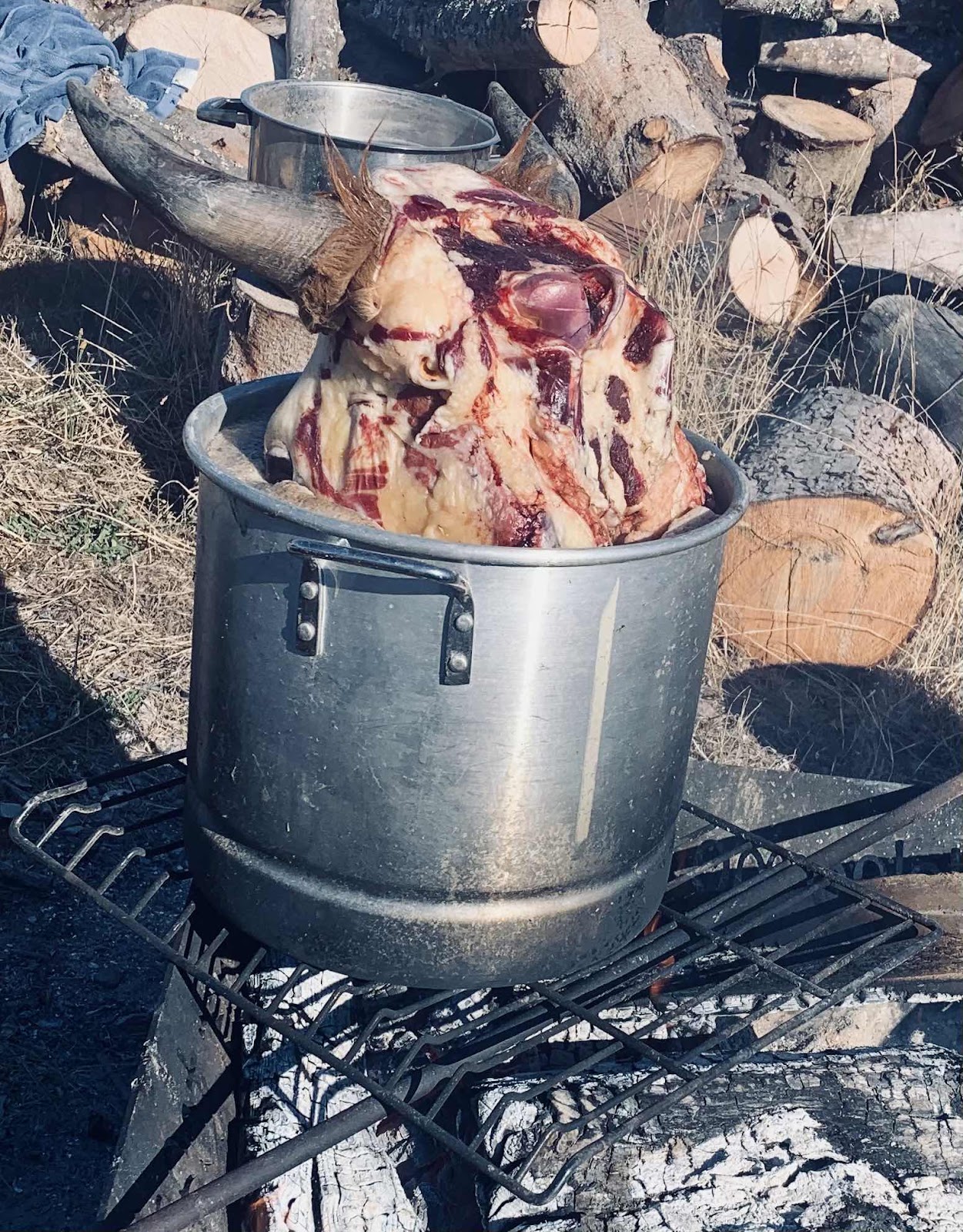
Not a very good picture, but that is a 40 quart stockpot, with  substantially less than half of a freshly butchered steer’s head submerged in it. 

This is what I came home to today. I knew, of course, that today was the day appointed for Pepe Toro, our Jersey steer, to meet his end. The men from Lynden meats were scheduled to arrive in their business-like panel van loaded with motorized equipment and on-board hot water, and do what butchers do. Half of Pepe Toro is already sold, and I have been making room in the freezer for the other half. The death of the cow, per se, was not a surprise. 

I did not know - though I should have suspected - that my husband was going to ask the men from Lynden meats to give him every scrap of the cow, from the horns to the hooves, that they would normally throw away or sell to a glue factory or something, and try to turn it into food. We’ve been through this before, and he ALWAYS does the same thing. 

We are just not prepared for cooking an entire cow’s head. In the past, even pig’s heads have proved to be difficult to manage. The head of a well-grown cow is a majorly large hunk of gristle and bone, and once the tongue has been removed, in my opinion it ought to be ignored. But Homero comes from a background that despises waste and finds a way to use EVERYTHING. This is, of course, admirable, but more so in the abstract than in real life. 


After I found the cow’s head sticking three-quarters of the way out of the pot, I convinced Homero to remove it, and to cut it into pieces with his sawzall, removing the horns and the disgusting patches of hair that clung to the skull around them. He has a plan for the horns - they are a gift to his friend Clacoyo, who wants to mount them on his motorcycle helmet. 

It took two sawzall blades, a cleaver, and a mallet to split the skull I to four pieces, but we got it done. Now the head is simmering over a wood fire - after two changes of water - along with a handful of allspice, cloves, star anise, fennel, and black pepper; three heads of garlic; several onions, and a bunch of guajillo chiles. It ought to be done sometime after moonrise. 

Now for the math. 

This animal was free. Homero has several clients who work on large dairy farms, and they are constantly giving away newborn males. I don’t know why they don’t just centrifuge the sperm they use - almost all cows are bred by AI - but either they don’t, or it has a high failure rate. This was the third free calf we’ve raised. 

The feed for a cow is almost all free too. We did have to bottle feed him for a short while but that was just one bag of milk replacer: about $30. Then of course there’s his winter hay, and a cow eats a lot of hay. I didn’t keep track of how much he ate versus the goats - that would be impossible - but we bought an extra 25 bales last winter and I’ll say that was all cow food. So that’s $100. Other than that, all he’s eaten is pasture grass and free veggies and bread from gleaners. Oh - and the same friend who provided him to us also have us the occasional pickup-load of free silage. 

We did take him to the vet to be castrated because we waited too long to band him. Won’t make that mistake again. I think that was about $100 as well. No medicine or other vet visits were needed over the course of his short lifetime. 

Total cost: approximately $230

Expected revenue: 

Last week I taped Pepe Toro to get an estimated live weight. He measured 78 inches around his heart-girth, which is very well grown. According to the internet charts, that means he has a live weight of approximately 1,112 pounds. The hanging weight of a cow is usually about 60% of live weight, so in our case approximately 668 lbs. 

I sold half of him for $3/lb, which would be $1,002. If I can find a buyer for another quarter I will sell that too, so that would be an extra $501 for a total of $1,503. Plus of course our own meat. 

That sounds like a hefty profit, but it isn’t as much as it sounds because Pepe Toro was wantonly destructive. He destroyed the calf hutch, which will cost $200 to replace, and he got I got he mama barn and put his feet right through the floor in a half dozen places. That will take a sheet of three quarter in inch plywood to fix, and now I have to go look up what that costs ($75) 

Total cost $505
Total expected revenue $1503
Total expected profit $998 

Not bad 


Friday, April 22, 2022

Pasture Puzzle (All Flesh is Grass)


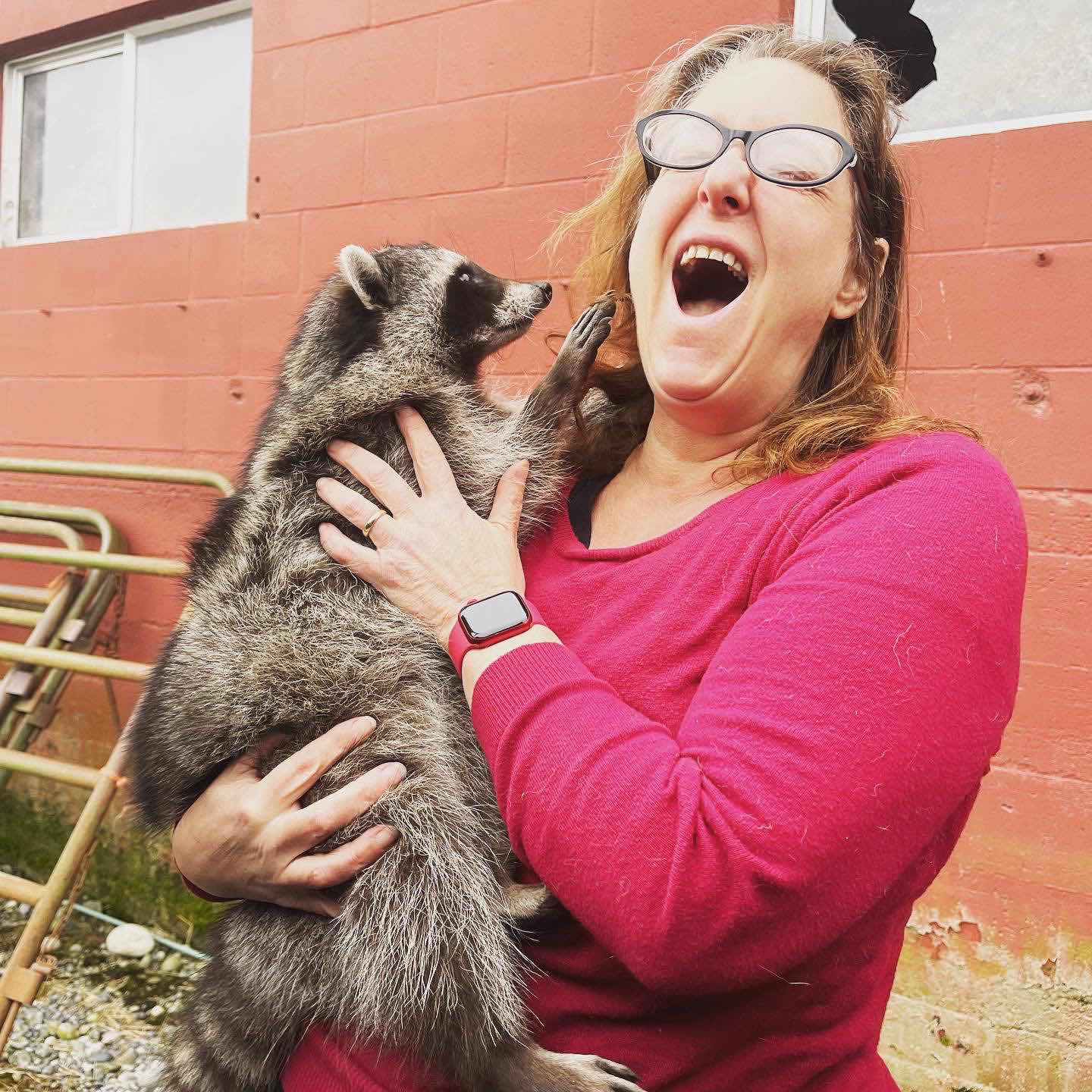
This year the grass has been slow to start growing. It’s been a very cold, wet spring. But finally, nearing the end of April, after months of mud, there is finally a decent amount of grass. Good thing too, because we’ve flat run out of hay. Actually we’ve run out of hay twice and gone for more, but as of yesterday we are out again. At one of the places we bought hay there was a tame raccoon and I got to hold her. Just putting that in there so I don’t forget THE BEST DAY OF MY LIFE. 


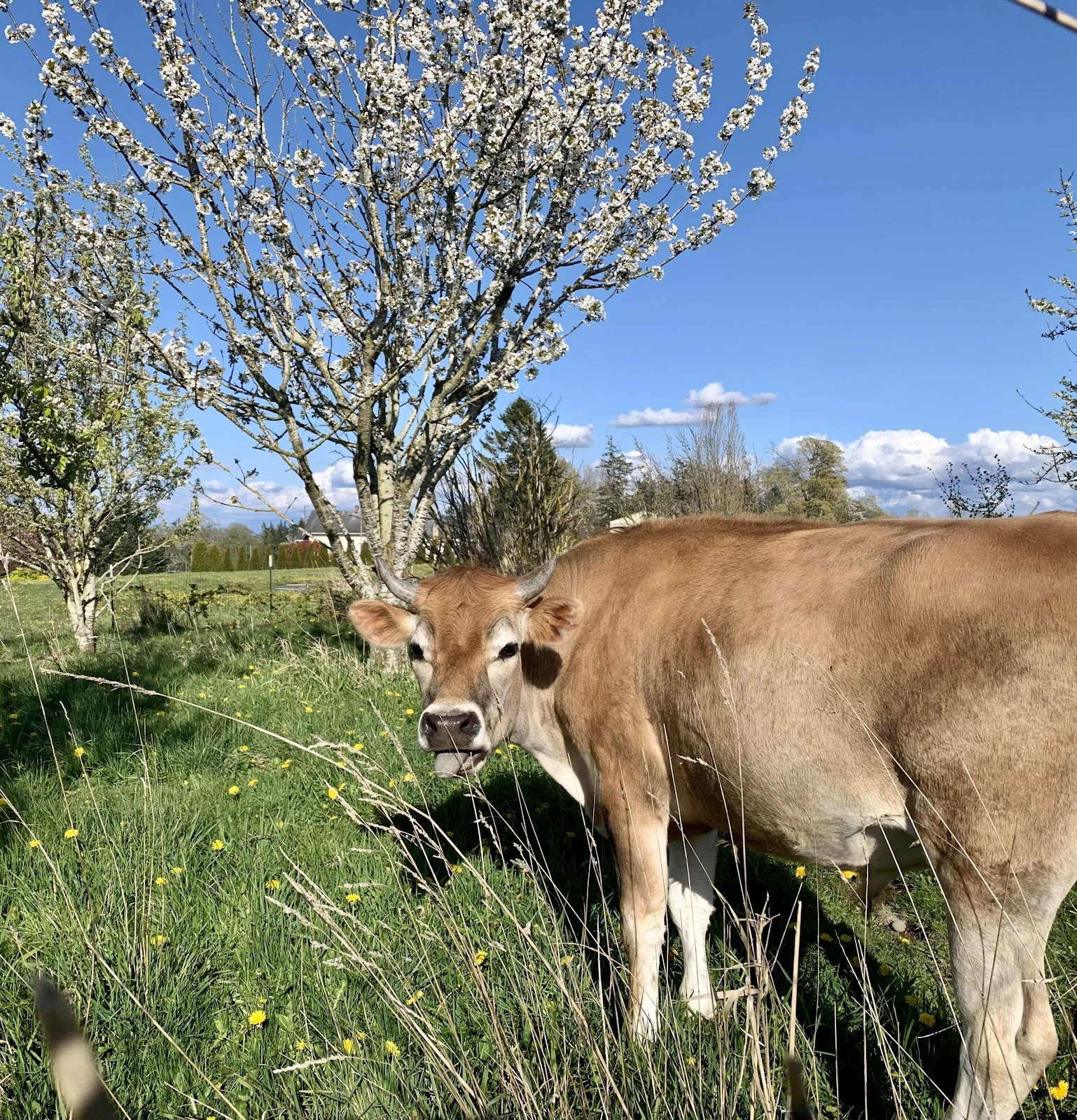
The goats are in the main pasture now, but the cow has been in the sacrifice area, because he is rambunctious and I worry he will injure the pregnant goats or the newborn babies. That’s why we had to get rid of Rowan’s cow, Nettles. Also I want to preserve grass for the goats. One dairy cow eats as much grass as six or seven goats, easily. 

We have three fenced pasture areas, but only the largest - which is about 60% of the total area -  has any real grass in it. The second largest one is about 100x100 and is our sacrifice area. The smallest simply isn’t large enough to have much grass, and moreover the grass doesn’t grow great in there because it is very wet. It’s more of a holding pen for keeping animals separate from each other when necessary. 

There is one other fenced area, and it has a ton of grass. That’s the orchard. Unfortunately we can’t put the goats in the orchard, because they are fully capable of killing the smaller trees in a day or two. I long for the day that the trees are big enough to withstand the caprice onslaught, but that day is still several years away. The cow may nibble on the trees, but cows aren’t browsers like goats are, so I’m hoping he will munch on the grass instead. 

Getting the cow INTO the orchard, however, was a problem. The cow has not been trained in any way, shape, or form, and when he gets out of the corral he goes mad with freedom and starts running about wildly and kicking up his heels. He’s very dangerous. Instead of attempting to lead the cow across the yard with a grain bucket, which might end up with a cow running around on the state highway, I decided to get some wire cutters and open up a gap between the sacrifice area and the orchard. 

Currently I am sitting on the lawn with a book, watching to make sure the cow doesn’t start trying to push over the trees or anything like that. The gap in the fence is closed with a bungi cord. I have a loaf of sliced bread next to me. If the trees are endangered, I can just undo the bingo cord and throw bread through the gap. The cow will chase the bread into the sacrifice area, and I can bingo the fence shut behind him. 

I hope this works, because we really have needed an extra area of grass for a long time now. A five acre farm is really quite small - all those silly books about homesteading on an acre? Yeah, chuck those books out the window. We have about three and a half acres of pasture and that is a bare minimum, even for dairy goats and it really isn’t sufficient for a cow PLUS dairy goats. 

It’s been frustrating to have a big fenced area of green grass we couldn’t use, and it’s very gratifying today to sit here listening to the cow tear up and chew all that green embodied sunlight. Come fall, it will all be meat. For, as the Bible tells us, “all flesh is grass.” 

I may have a slightly different understanding of those words than Isaiah intended. 

Sunday, May 21, 2017

State of the Farm, Late Spring 2017


Nettles in the weeds

The long, horrible, wet "spring" of 2017 is finally giving way to some warmer and drier weather. I read in the paper that this past wet season (the period of time between October 1st and May 1st) has broken the all-time record for precipitation in western Washington - a record set just last year. Even with my week long break to Arizona, back at the beginning of April, I was going slowly crazy from sun deprivation and from the constant rain. I hate the mud, and still dealing with it in May has been dispiriting. 

More important than my mood, however, is that fact we haven't been able to get much work done around the place. Anything that needs dry weather - setting new fence posts in cement, planting trees, tilling the garden - has had to wait. Then when the weather is good, we all feel a sudden urgency to do everything at once. Luckily, I have found a new farm hand. He comes recommended by a neighbor farmer, and he lives very nearby. Although only 17, he has proved a hard worker and can handle a shovel with the best of them. Hereinafter referred to as "Farmboy." Today he planted three trees and made a temporary pen for the cow. 

The other day I walked the pasture and was disappointed with the state of it. In a normal year, the grass ought to be well over knee high by now. But what with the cool weather, the lack of lumens, and the number of animals on it, the back pasture's grass is only ankle height. This is despite the fact that I kept the cow and the pony in the sacrifice area for much longer than usual. We went through twice the normal amount of hay last year, due to that and due to the multiple prolonged cold spells and feet of snow. I have been moving the animals around, trying to maximize use of all the grass growing areas one the property. I bring the goats out into the front yard to graze anytime I am home and it isn't raining, but that's only half an hour here and there, and I don't think it takes much pressure off the pasture. The pony and the cow have been in the orchard for a couple of weeks, which was great until I noticed that the cow is eating the smaller trees. I didn't want to put the cow back into the main pasture with the goats both because of the grass situation and because she has become a terrible bully since her horns grew and she has actually injured one of my goats. Have I mentioned that I hate cows? 

There is one area where the grass is doing well - a boggy area about 60 x 200 feet behind the blackberries and adjacent to the small pasture. We have never made use of this area because it is wet, and also because there is a lot of debris and metal and concrete pieces in the ground left over from when the previous owners demolished their dairy barn. The grass growing there is lush, bright green, and shoulder height - but it is Canary grass. Canary grass is a non-native species that flourishes in our cool, wet climate. It has mixed reputation - most people (and certainly the noxious weed board) consider it an invasive nuisance that crowds out better forage species. Canary grass hay is the lowest, cheapest variety of hay, and lots of people won't use its at all. Other people, however, especially people with low,wet pastures, actually plant Canary grass on purpose. In general, the literature tends to say that it is tolerable forage, although most other species of pasture grass are preferable, and most animals will ignore it if better forage is available. 

Myself, I wouldn't buy any hay that had much Canary grass in it, no matter how cheap. I will, however, try to encourage my animals to eat it when it is abundant and other forage is not. To that end, I had Farmboy use T-posts and cattle panels to make an enclosure 32x32 feet. That will keep the cow busy for a few days and when she runs out we can just pound two more posts and move the cattle panels to close in another, similarly sized area. This will keep the cow fed and away from my goats. For a little while. 

The trees that Farmboy planted today were two lovely little Asian pear trees that Homero gave me for mother's day, and last year's Christmas tree, which has been sitting in it's pot on the porch since New Year's. I am not very fond of Asian pears for eating, myself, but both Homero and the girls love them, and I like them because they can be pressed for cider like apples (and unlike European pears). 

Other new developments: we bought six turkey chicks from a neighbor farmer, and Haku immediately killed two of them so now we have four turkey chicks. We also bought six golden sex-link pullets from another local farmer who said she just got over-enthusiastic at the farm store and realized, after raising them for a few weeks, that she didn't actually need thirty of them. It's nice to find pullets instead of chicks, that doesn't happen too often. Now we need to make repairs to the chicken coop. 

I'm not putting in a garden this year, expect for a handful of snap peas. It was too cold and wet to plant anything until last week, anyway. 

Overall, things are fairly copacetic around here. The baby goats are growing like weeds. I have plenty of milk and cheese season is in full swing. It's a gorgeous sunny afternoon and I think I will grab a book and go let the goats out. 


Thursday, June 9, 2016

Cows and Compromise


One of Homero's clients just traded him a newborn Jersey heifer for a complete engine rebuild on his truck. She's healthy and adorable, and came to us on the day after she was born, after 24 hours on her mom for the colostrum. The first bottle feeding didn't go very well, but she learned quickly and is now able to suck down her twice-daily two liters in about three minutes flat. We are giving her a mixture of milk-replacer and fresh goat's milk - which is something we have too much of at the moment.


Haku is being gentle with the baby. He is very interested, but not frantically exited, the way he was with the baby goats a few months ago. I don't know if he is calming down in general around the livestock or if baby goats are simply more enticing than baby cows (I certainly think so). 


Homero says she weighs about sixty pounds. 


We set her up in the calf hutch, in the small pasture all by herself where she won't get bullied by the goats or the ponies. Just like any bottle baby, she is extremely friendly and runs up to us for attention whenever we come near. I have to admit she is endearing, even though I am not a fan of cows, in general. 

In fact Homero and I have had a few arguments about cows in the past, and I was not in favor of accepting a cow in trade for work. You can read all about my objection to cows and my (very reasonable and valid) arguments in favor of goats as a superior livestock option here: Imaginary Cows. For those who won't click the link, my argument can be boiled down to "we don't have enough land for a cow." 

However, Rowan and Homero are both over the moon about the baby. Rowan has adopted her as her own special pet and taken responsibility for feedings. Homero is already looking forward to milking her. Who am I to stand in the way of such happiness?

As much as I am loath to admit it, I have been pretty selfish about molding the farm in the image I have nurtured in my own mind and not ceding much, if anything, to the imaginings and dreams of others in the family. Homero and I have wrangled about the size of his shop; the amount of land he wanted to devote to a parking area; and how many non-running automobiles ought to be allowed to accumulate thereon. Rowan and I have wrangled about the garden space and the use of the greenhouse, and the species and placement of trees. 

Truly, I don't think of myself as a control-freak; but then again I am comparing myself in my head to my own mother, who is undeniably a control-freak of epic proportions. I suppose it is possible that others in my family might see me as just a tiny bit.... well, inflexible. 

Over the years, Homero has adopted the very effective tactic of, rather than debating with me beforehand,  simply presenting me with a fait accompli. This new cow is the latest example. She was just there one day when I got home from work. 

In my own defense, I will say that I think I have shown adaptability and if not grace, well, then at least resignation when these things happen. I am resigned to the new cow. Her name is Nettles. 


Tuesday, June 23, 2015

Pig and Cow (Major Meat)


Long summer evenings and good weather have us out in the yard until late in the day. I haven't mowed the back yard in a few weeks; partly for the benefit of the bees and partly to have a nice carpet of clover available for fattening up the cow, who will be meeting her destiny as a meat animal as soon as this summer is over. Today when I let the goats out to graze, the cow came barreling out as well - nearly knocking me over - and so I grabbed a rope and tied her up smack in the middle of the clover-carpet. 

The rope was maybe too long, and the cow was overexcited at being out of the back pasture for the first time in her woefully short and dim memory. She capered about, knocking over the burn barrel to eat the salty ashes, upending the ferret's play-cage, and generally wreaking havoc. She trampled the new lawn game I bought last week (ladder ball) and now we will have to repair it with many yards of duct-tape. As annoying as all that was, it was also hilarious and delightful to watch her happily kicking up her heels. Homero was moved to try and ride her, with the results you see above. 


We have a new pig. It's been years since we had a pig - I'd have to look back over the blog to see exactly how long it's been and exactly why I swore off pigs forever. I remember doing that, but not precisely why. Since I have belonged to the Gleaner's Pantry, it almost seems a sin not to have a pig, when I have access to a literally unlimited amount of fresh clean bread and produce. Also, it being high milk season, a nearly unlimited amount of whey from cheese making. The waste-stream to which I have access is abundant enough to support a half-dozen pigs - I have been partaking only minimally, but now I will have to up my participation.

There is a local farmer, a neighbor of mine, an older gentleman who has lived around here since Hector was a pup and who in his retirement still raises pigs and chickens and who imparts wisdom to all and sundry via the medium of the local Facebook Farmer's group. I'll call him the Livestock Guru, or the L.G. for short.  This week, he was advertising barbecue pigs (100-150 lbs) for the fourth of July, dressed out and ready for the spit for $350. At the end of the ad he added "or you could raise them out for meat." I asked, "same price live or dressed?" and he answered that I could have a live one for only $200.

Considering that a 40-50 lb piglet goes for $125 to $140, and they usually sell out in minutes, that seemed like an extraordinarily good deal. I consulted with Homero and he agreed. He spent today fixing up the old pigpen - putting new hinges on the old broken gate and hauling the calf-hutch over from the pony's pasture.  Around 6 pm, L.G. brought over a beautiful, healthy pink pig who immediately went to town on the pile of compost in his pen.

If all goes well, he ought to be ready for slaughter at about the same time as the cow - late September, when the grass is dried up. I have heard that I ought to get on the waiting list at local slaughterhouses, as it isn't always easy to get a slaughter date in those prime weeks at the end of summer.


Wednesday, June 10, 2015

State of the Farm Summer Solstice (Drought 2015)

There are still almost two weeks until solstice, but with the weather we've been having, it feels very much like summer. In fact, it feels like midsummer - late July or even early August. It is as though the calendar were turned ahead a month.

The blackberry blossoms opened two weeks ago; now they are nearing the end of bloom time and there are hard little green berries on the terminal buds. White clover is in full bloom, and a few red clover blossoms are opening here and there. Full-summer flowers like oxeye daisy, lupine, and tansy are starting to bloom.


Record breaking heat - high eighties - for several days in a row has brought on the berries early. Strawberry season is in full swing and the commercial raspberries will open for U-pick in another week or so. Lack of rain combined with high temperatures has made the berries smaller than usual, but with an unusually concentrated sweetness.

Drought is a major concern this year - the winter was much warmer than usual and snowpack in the north cascades is one-third normal or less. When I look across the valley to the north at the Canadian Cascades, I see deep blue peaks with only flecks of white here and there - which is how the mountains typically look in September. The grass is already starting to dry up, and all of the neighbors are haying. This year I saw people haying in May, which I have never seen before.
We have only bought one truckload so far - 25 bales - but I would like to buy more than usual at early-season prices because I think we will be feeding hay very early this year as the grass disappears.


Though there will be fewer animals to feed over the winter this year. The cow is nearing the end of days. We will be scheduling a butcher date for early fall. I think she is about as big as she is going to get. We have started feeding her alfalfa pellets and bread from there Gleaner's Pantry in hopes of fattening hear up a bit more. I am frankly shocked at how much grass one stunted dairy calf can eat. The big pasture looks terribly skimpy, because the cow has been vacuuming up all the grass all by herself. In years past, I have had the same number of goats plus two ponies on this pasture and it was more lush. This year, the ponies have stayed in the sacrifice area and we stake them out to graze in the front yard. As far as I can tell, one dairy cow equals two ponies and then some. I only hope she tastes good. People who know have told me that Jerseys make good eating, but not to be alarmed at the yellow fat. 


Today I boosted Paloma up into the hayloft to look for eggs. She found a nest with twenty-two eggs in it. We floated them in the stock tank and they all sank, so it's time to make some quiches and freeze them. And egg salad for sandwiches for the last week of school lunches. And maybe some goat-milk ice cream for these hot days. 

Ordinarily, I don't put Demeter on the alter until midsummer (Lammas), but the grass heads are turning golden and my shoulders are all sunburnt and the tomatoes are in flower and the roses are in bloom. It seemed churlish to stick to an artificial calendar rather than honor the actual fact of the season which has clearly arrived. And it may be a brief season this year, so there's no sense in wasting time. Welcome, generous lady! Welcome, abundance! Welcome, Summer!


Friday, June 13, 2014

Cow Caper (Good Neighbors)

Yesterday as I was returning home with a car full of girls from their various lessons - gymnastics for some, English for others - I got a call from my next door neighbor with the giant house.

"Your cow, she is on the road," he said.

"Oh no!" I yelled. "I'll be right there, I'm two minutes away!"

For those of you who don't know, the road in question is a state highway that runs from I-5 on one end ten miles west to a major refinery on the other. The speed limit is 50 mph, but in actuality big rigs full of gasoline, propane, and god knows what other fossil fuels careen down the highway at 65 plus, all day long. I thought of one of those trucks hitting my poor stupid cow and smashing her to a paste, then erupting in a giant fireball, or jack-knifing and spilling 10,000 gallons of oil all over the hillside. I pictured a ten car pileup. I visualized the next day's headline: "Imbecilic farmer loses livestock; causes worst tragedy in years."

"Keep your eyes peeled," I told all the girls, but nobody saw the cow during the three minutes it took us to get home.

As I pulled into the driveway, I saw the cow being led back into the paddock (the gate was wide open) with a small crowd of neighbors behind her. I screeched to a halt and began a dance of gratitude, thanking everyone around me abjectly for catching my cow and thereby avoiding a terrifying accident and a lawsuit of hideous proportions.

My good neighbors chuckled and told stories of escaped animals from their youth. They waved away offers of reward. They headed off across the fields home, leaving me standing there feeling foolish and grateful.

I have no idea who left the gate open or when. Statistically speaking, it was probably me.

Friday, April 25, 2014

New Pasture (No More Monkeys)

A couple of weeks ago, during a short stretch of good weather, Homero and the Unofficial Farmhand (hereinafter U.F., also known as Phil, my daughter's live in boyfriend) spent the day fencing in the orchard.

The orchard occupies about a sixth of the easternmost side of the property, a section about sixty feet wide by 100 feet long, just big enough for about twenty fruit trees. At last count, we had three pears, three cherries, three plums, two big hazelnut bushes, and four giant old blueberry bushes that aren't doing very well and probably ought to be uprooted and replaced with more apples. This area is also home to my rhubarb plant and to a mess of raspberry canes I got a few years ago from my sister.

And to a whole lot of grass. 60 x 100 equals 6,000 square feet of grass, which at this time of year is a lot of biomass. The grass is about knee high at the moment - fresh and green, squeaky clean and bright glossy green. It looks so healthy I almost want to eat it myself. For years, I have wanted to fence in this area and use it for the ponies - it can't be used for the goats because they would, of course, prefer the fruit trees. My does are big ladies and on their hind legs they can reach a good seven feet high. They would kill all the young fruit trees in about fifteen minutes. But I can't stand to see all that good grass go to waste under the mower blades when it could be transformed into meat and savings in hay over the winter.

This spring has been so very cold and so very wet that we had to wait until a) the ground thawed, and b) the ground dried out a little before I could have the U.F. drive fenceposts. It was just two weeks ago that both those conditions were met, along with the third condition of my bank account having enough money in it to buy T-posts and four foot woven wire no-climb fencing.

Half the fencing was already in place - there was already a fence between the backyard and the orchard. Years ago we realized that if we wanted an orchard at all, we would have to protect the young trees from goats. I say "realized" as though it were a spontaneous development; as though it hadn't taken us six dead trees to come to the aforementioned "realization." Alas, it did. The fence deciding the orchard from the backyard went in some five years ago.

All we needed to fence in was the eastern boundary of the orchard, and the short southern side. That's about 160 linear feet of fencing, plus some 18 T-posts. Fencing comes in a 100 foot roll and it costs about $125 per roll. Six foot T-posts are eight bucks apiece. Throw in the fence clips and I dropped over $300 at the feed store. Even so, the men ran out of fencing about six feet short. I'm not sure how that happened, unless the rolls are short, or unless I am VERY bad at pacing off distance. Luckily, just like any farmstead, there are several bits and pieces of fencing laying around and we were able to find one to fit the gap.

Now every morning when I go out to milk, I also take the calf and the pony and put them into the new orchard pasture to graze. The stupid dairy calf gads not yet learned to walk on a lead and it is a difficult task to get her into the pasture, but she is already filling out a bit about the hipbones. I was nervous she would eat my raspberry canes, and actually it seems that yes, she is eating them. Luckily I have other raspberries in safer areas, and she doesn't seem to care about the rhubarb. Here's hoping that 6,000 square feet of grass is enough to fatten up one shrimpy, gimpy dairy calf by autumn.


Saturday, December 7, 2013

Baby It's Cold Outside (and Inside)!

We are in the middle of one of the most prolonged cold snaps I can remember. This is the third or fourth day that the mercury hasn't risen above freezing, and it is not predicted to do so for nearly another week. In fact, daytime highs have been well below freezing - today I think it was 27. Nighttime lows are in the mid teens, and last night's windstorm brought the windchill down into negative numbers.

Years ago, when I thought the farm needed a name (why?) I chose "Windy Hill Homestead," which is very apt. There is always a stiff breeze up here, and when there is a storm, we get the brunt of it coming over the ridge from the water. Yesterday afternoon, as I went out to feed the animals in the fading sunlight at 4:00 pm, it was so icy that my hands were hurting within seconds, and whenever I turned my head crosswise to the wind, it felt as though tiny little icepicks were stabbing into my eardrums.

Trying to keep some water liquid for the animals is nearly impossible. When we put in the new water line last year (Bad News from Home), I decided to pay extra to extend it all the way out to the fence line, an extra fifty feet or so. That cost us an amount which I can't remember right now but which was far from insignificant. My husband was not keen on spending the extra money, but I was thinking of days like yesterday, days when I would be carrying the water to the animals in two five gallon buckets through an icy tornado, when the wind would blow the water right out of the buckets and into the tops of my rubber boots. Yesterday, I congratulated myself grimly on my foresight as I filled and refilled the bucket and simply lifted it over the fence. The wind blew it right out of the bucket and into my face, yes, but still I think it was an improvement.

No matter how much water I pour, however, it is kind of a moot point, because ten minutes later it is frozen again. The dairy cow in particular is always thirsty. I worry a lot about that poor little thing; she is terribly skinny, or at least she seems so to me. I've never had a cow before and I'm not really familiar with their anatomy. I know they are bonier than horses or goats, but this one's hipbones and ribs are sharp. I don't know why - she has alfalfa to eat all day long and gets supplemental grain twice a day, plus things like old carrots, beets, and apple cores. I gave her a double ration of grain and piled up more straw in her shelter. This morning she was up and bawling for her morning grain, so I guess she's going to be fine. I just feel terrible for her, all alone. The goats and ponies all crowd into the main barn together and they are toasty warm. I know because the water I carry inside the barn doesn't freeze. It gets knocked over and pooped in, but it doesn't freeze.

It's plenty cold inside the house, too. We have done a fair amount of weatherizing over the years, but the fact is, this drafty old farmhouse is never going to be very warm in winter. Homero's skills at installing weatherstripping leave something to be desired, so we hang a quilt over the door at night and lay a rolled up towel against the crack on the floor. A few years ago we insulated the crawl space, but most of the insulation was ruined in the flood (see above link) and we haven't had the time/money/inclination to re-insulate yet. Then there is the fact that this house faces a spectacular view to the north and takes advantage of it with lots of big, north facing windows. Only some of them are double paned.


the view to the north


Somebody somewhere told me about a cheap way to insulate windows, with bubble wrap. Having googled it, it seems to be legit. Today I went by a mailing shop and asked if I could buy a big roll of bubble wrap. They said no, but told me where I could do so, on monday when it opened. So, that's the plan for next week: cover my big, beautiful view with bubbles. Then see if I can come up with a threat dire enough to keep the kids from popping all the bubbles. 

Bubble wrap is only a band-aid - over the long haul we need to make some serious changes in how we heat the house. I bought a thousand dollars worth of propane this week and I don't expect it will last the winter. That's on top of the $500 I spent on propane back in September. Years ago, Homero bought a brand new oil burning furnace off Craigslist for a couple hundred bucks, with the idea that he was going to convert it to run on waste veggie oil. That would be cool, if it ever happens. The brand new oil burning furnace is right where he put it five years ago, when he unloaded it off of his truck. 

I would love to install a wood burning insert in our great big fireplace, which, incidentally, is another major source of lost heat. It's basically just a hole in the house, and we keep the flue closed and - you guessed it - hang a quilt over the hole in the winter. I looked into the cost of putting in a wood burning insert, and was staggered. Totally aside from the cost of the insert itself, we would have to have the whole chimney clad in sheet metal and get a bunch of masonry work done. Suffice it to say, it's several winters worth of propane at currant prices. 

In the meantime, I buy up all the wool sweaters I can find at Goodwill and constantly keep a teapot on the simmer for hot tea and cocoa. This week, the furnace has been running full blast night and day but the temperature inside won't go above 63. We are all dried out like beef jerky, sipping our tea and huddled on the couch under blankets in our sweaters watching movies.

Ah well, there's an upside... no mud. 


Tuesday, November 12, 2013

Pasture Puzzle (Chucking Monkeys)

Bully
Hope has been bringing home logic puzzles as homework lately. A man is trying to get a cat, a dog, and a mouse across a river in a canoe that only holds himself plus one animal at a time.... you know the rigamarole. I hate these things. Buy some cages, dumbass! Or maybe, you know, a bigger canoe? In fact, if you have to cross this river with such frequency, think about investing in a freaking bridge.

Similarly, I know that the real answer to my pasture puzzle is more fencing. But, like the man with his problematic menagerie, all I have is an inadequate canoe. Here's the situation:

-One main pasture.
-One sacrifice area.
- Both areas have good shelter, thanks to Homero's work expanding the field shelter last month.
- It's winter. I need to protect my main pasture as much as possible from hooves.
- One small herd of dairy goats
- Two ponies who are vicious bullies where food is concerned
- One dairy calf who is apparently very stupid.

In this scenario, the dairy calf is the annoying cat who cannot be left alone with either the rat or the dog. The goats and the ponies will both bully her and steal all her food. Additionally, only the calf gets expensive alfalfa; everybody else eats local grass hay.

Currently, the goats and the horses are in the main pasture and the calf is alone in the sacrifice area. This is the dumbest arrangement because it leaves almost all the hooves on the main pasture. Last night I put the horses in with the calf, but they kicked her out of the field shelter and she slept outside. And they ate all her hay.

There is one more piece of the puzzle that seems like it ought to be useful but so far I haven't been able to make it so. I have a calf hutch ( Look! Up in the Sky! It's a Bird, It's a Plane, It's.....)  in the sacrifice area with the calf and the ponies. Theoretically, I could put the calf's alfalfa in here and she could get to it but the ponies couldn't. In reality, I just spent a half hour crouched inside the hutch rattling a container of grain, biting my cheeks in frustration as the brainless calf peeked timidly in at me and occasionally barked her shins against the lip of the hutch. It's no use. She's just too stupid. It's not her fault.

The goats, on the other hand, are used to the calf hutch and have used it before. They will all crowd in and sleep in there together. That would leave the field shelter to the farm bullies, the ponies. The calf could go into the main pasture all by herself. She'd have the warm barn to herself - not counting the chickens. The main pasture would have only four hooves on it, instead of twenty-four.

I'd need to buy one more cattle-panel (Cattle (Panel) Rustling) before I can try this arrangement, because there's a small low spot in the fence around the sacrifice area and the goats can jump it. The vulnerable spot is right by the fruit orchard, too, and it would only take them five minutes to destroy the trees. And the van - which I need to bring home a cattle panel - is out of commission.

The logic puzzle just keeps getting more complicated. It's as if, while the man is standing on the riverbank with his cat, rat, and dog, somebody starts chucking monkeys at him.

Tuesday, October 8, 2013

Meet the Cow (Chalk One Up for the Husband)


Homero has a friend who works at a local dairy. At any given time they have a few hundred cows and dozens of calves. Yesterday Homero got a call from this friend, saying there was a heifer calf available for free, if we wanted her. She had been injured somehow, probably kicked or trampled, and the owner didn't think she was going to recover fully, or quickly enough, or something. She was scheduled to be culled, but we could have her instead. 

Homero and I have argued a lot about cows lately (Imaginary Cows) and the family position on hypothetical cows had still not crystallized into unanimity, but when faced with an actual, cow, concrete and free, my resistance crumbled and so the baby cow came home with us. In the van. 


She's a scruffy little thing, and to be honest, she does look like a cull. Not only does she limp on her right hind foot, but she has a broken ear (the cartilage seems to be busted and she can't move it; it droops lifelessly) and she has a few small, open sores on her face. I asked our friend what was going on with her face and he said "oh they all get those." Inspires a lot of confidence, doesn't it?

I did some research (also called "googling") and found out that many people consider Jerseys to be perfectly acceptable beef cattle as far as flavor goes. In fact, they are known for their superior marbling. But they are a smaller breed, and relatively slow growing, taking a full two years to mature on grass. We will take our time deciding what to do with this little girl. If she does recover fully, we will probably breed her for a family milk cow - if not, she'll eventually become meat. In the meanwhile, she is a little bit lost.

The poor thing doesn't even know how to graze. She's never been out on grass. She was kept in a small pen, chained to the feed trough, where she was fed grain and a bit of alfalfa. At least this dairy doesn't use calf hutches - the calves are all together in one open building and they can see and hear each other. I know tonight she will be cold and confused. We have her in the small pasture with the three sided field shelter, which has alfalfa and water and a little grain in it. Hope she is okay in the morning.